Singapore Airlines is betting that affluent travelers will keep paying up for comfort, committing more than $2.3 billion to renovate its long-haul fleet and add sofa-style seating in first class as the carrier doubles down on premium cabins to protect margins.
Singapore Airlines Invests $2.3 Billion in Premium Cabins
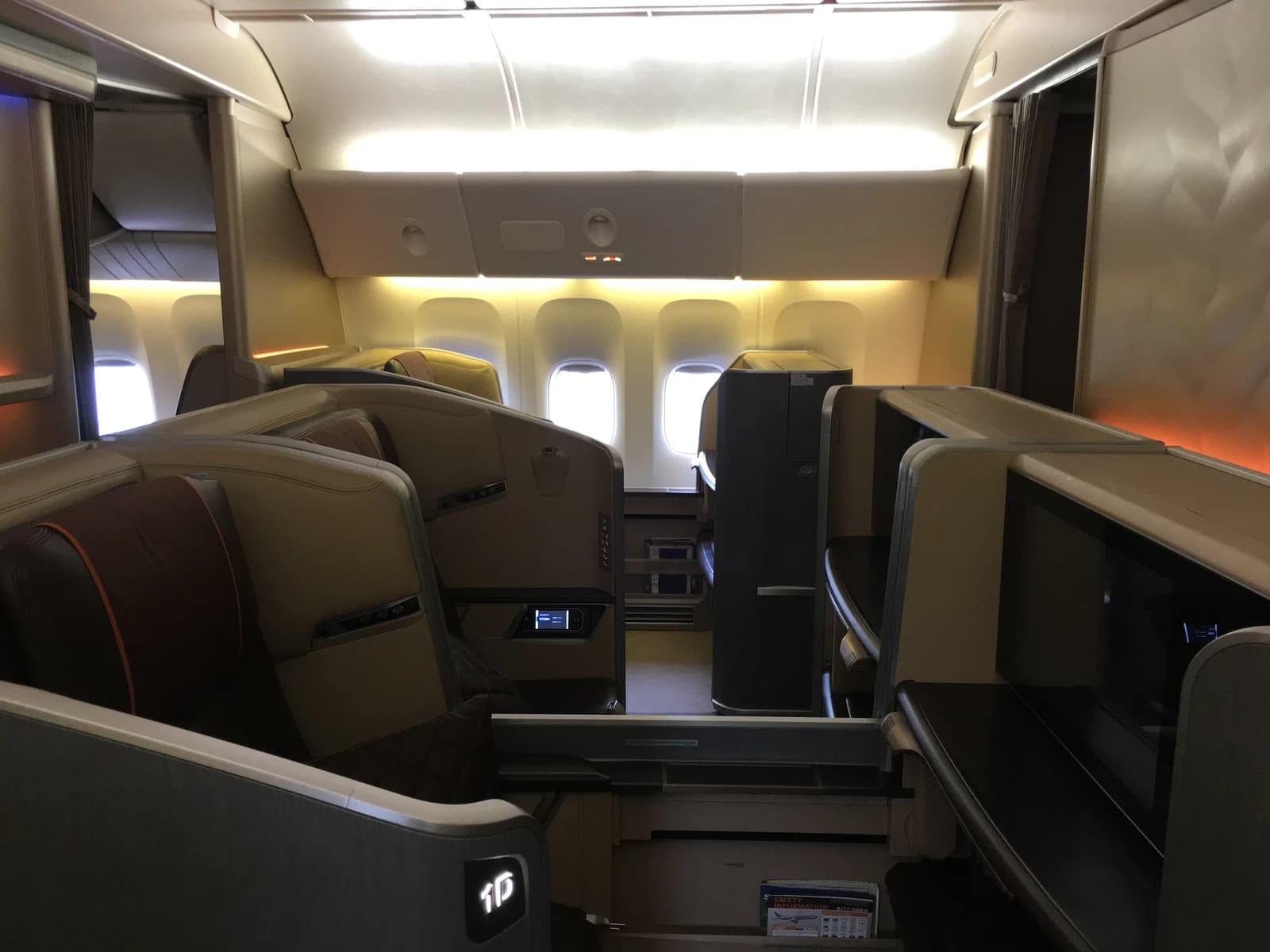
The investment underscores how airlines are leaning on the top end of the market to offset stubborn operating costs, from fuel to aircraft finance, while broader consumer sentiment weakens. Singapore Airlines’ move suggests management sees premium leisure and business demand remaining resilient enough to justify a costly cabin overhaul rather than a defensive cutback in capacity or amenities.
Sentiment Indicators
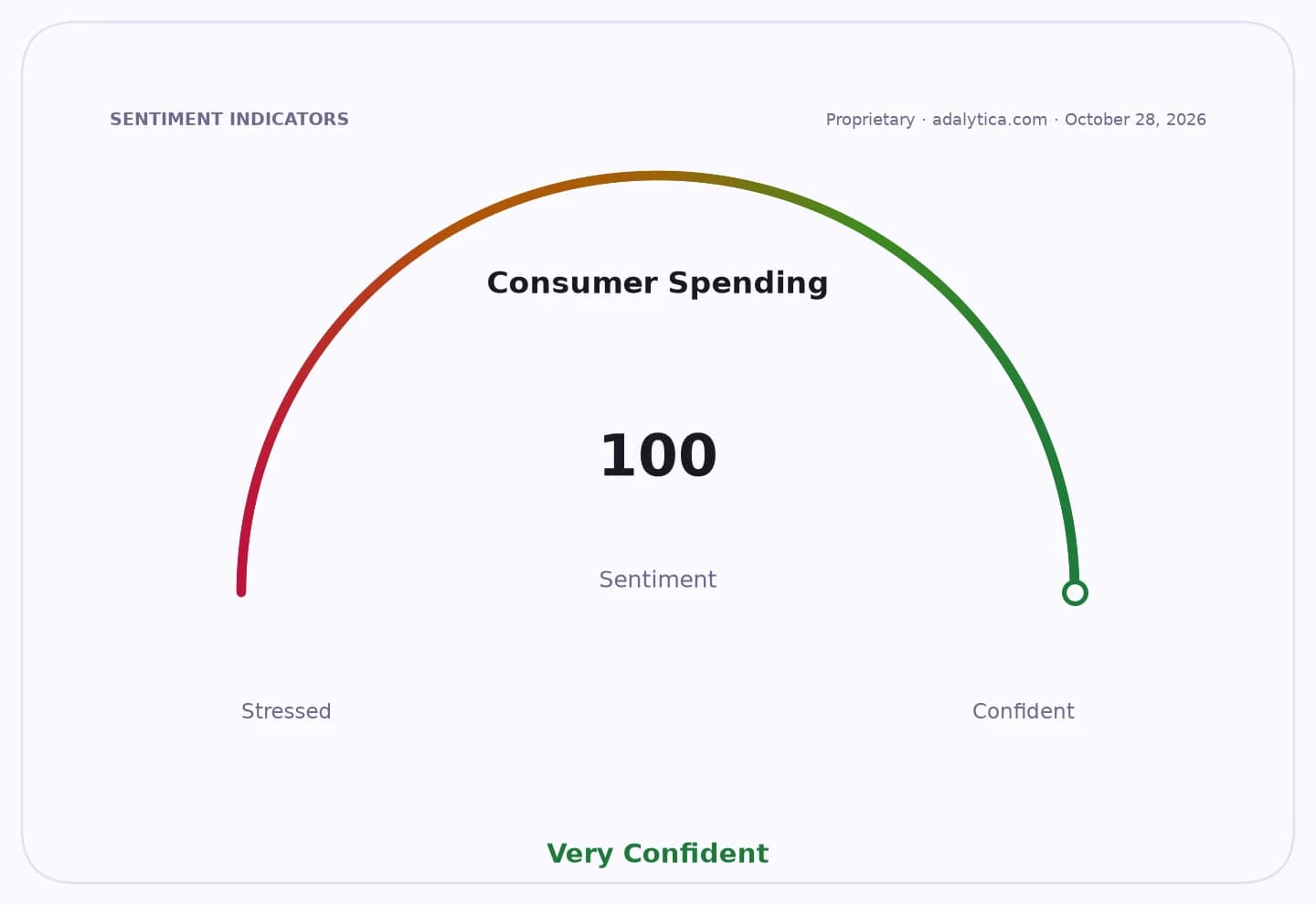
That calculation matters because premium seats carry outsized profitability. A small number of first- and business-class passengers can generate a disproportionate share of revenue on long-haul routes, particularly when airlines can maintain pricing power even as economic indicators soften. U.S. 10-year Treasury yields around 4.95% keep financing costs elevated for capital-intensive carriers, while consumer sentiment has slipped to 48.1 in the University of Michigan survey and Adalytica’s consumer spending gauge shows extreme fear, a backdrop that normally argues for caution in discretionary spending.
Yet the premium-travel trade is holding up better than the broader consumer environment. Recent airline filings from U.S. peers show expanding premium-product revenue and ongoing spending on lounges, Wi-Fi and cabin upgrades, reinforcing the view that high-income travelers and corporate accounts still value differentiated service. That has encouraged carriers from Emirates to Virgin Australia to expand premium offerings, even as they face fuel, labor and aircraft-related costs.
For Singapore Airlines, the risk is that a large capital program can outlast the cycle it is designed to exploit. A premium-heavy strategy can boost unit revenue if demand stays firm, but it also leaves the carrier exposed if corporate travel softens or high ticket prices start to bite. The bull case is that Asia’s premium leisure and business segments remain structurally strong; the bear case is that luxury upgrades become harder to monetize if growth slows and consumers trade down.
Investors will watch whether the refurbishment program lifts yields enough to justify the spend and whether competing Gulf and Asian carriers intensify the race to offer ever more elaborate premium products.
| Entity | Gains | Losses |
|---|---|---|
| Singapore Airlines | ▲Higher premium yields | ▼Large upfront capex |
| Premium travelers | ▲Better cabins and service | ▼Higher fares |
| Competitor airlines | ▲Benchmark for premium demand | ▼Pressure to match upgrades |
| Cost-conscious travelers | ▲None | ▼Fewer lower-cost capacity bets |