A 21-country study helps explain why shoppers celebrate saving $20 on groceries but barely notice paying the same amount more for a phone or television: people mentally bucket money by context, not just by value, and that can quietly distort household budgets.
Mental accounting study on consumer spending

Published in the Journal of Consumer Research and presented by Cambridge Judge Business School, the research says the phenomenon known as mental accounting held up across seven classic behavioral scenarios, with 133 of 147 cross-country comparisons — 90.5% — reproducing the expected effect. For consumers, the finding matters because it shows that spending decisions are often guided less by arithmetic than by the emotional label attached to a purchase.
Sentiment Indicators
That can make small savings on everyday items feel meaningful while larger markups on big-ticket goods slip by, especially when the higher price is framed as part of an “experience” rather than a product. A drink at an upscale hotel, for example, can seem easier to justify than the same drink at a regular store even when the product is identical.
The study also found the effect tends to be weaker in lower-income countries, while age, education and financial literacy did not meaningfully explain the differences across countries. That suggests the bias is not simply a problem of sophistication, but a broader feature of how people assign value under different economic conditions.
The investor angle is straightforward: if consumers judge purchases through emotional and contextual filters, pricing power can vary sharply by category and setting. Brands, retailers and hospitality companies benefit when they can reframe a product as an experience; budget-focused sellers benefit when shoppers become more sensitive to visible savings.
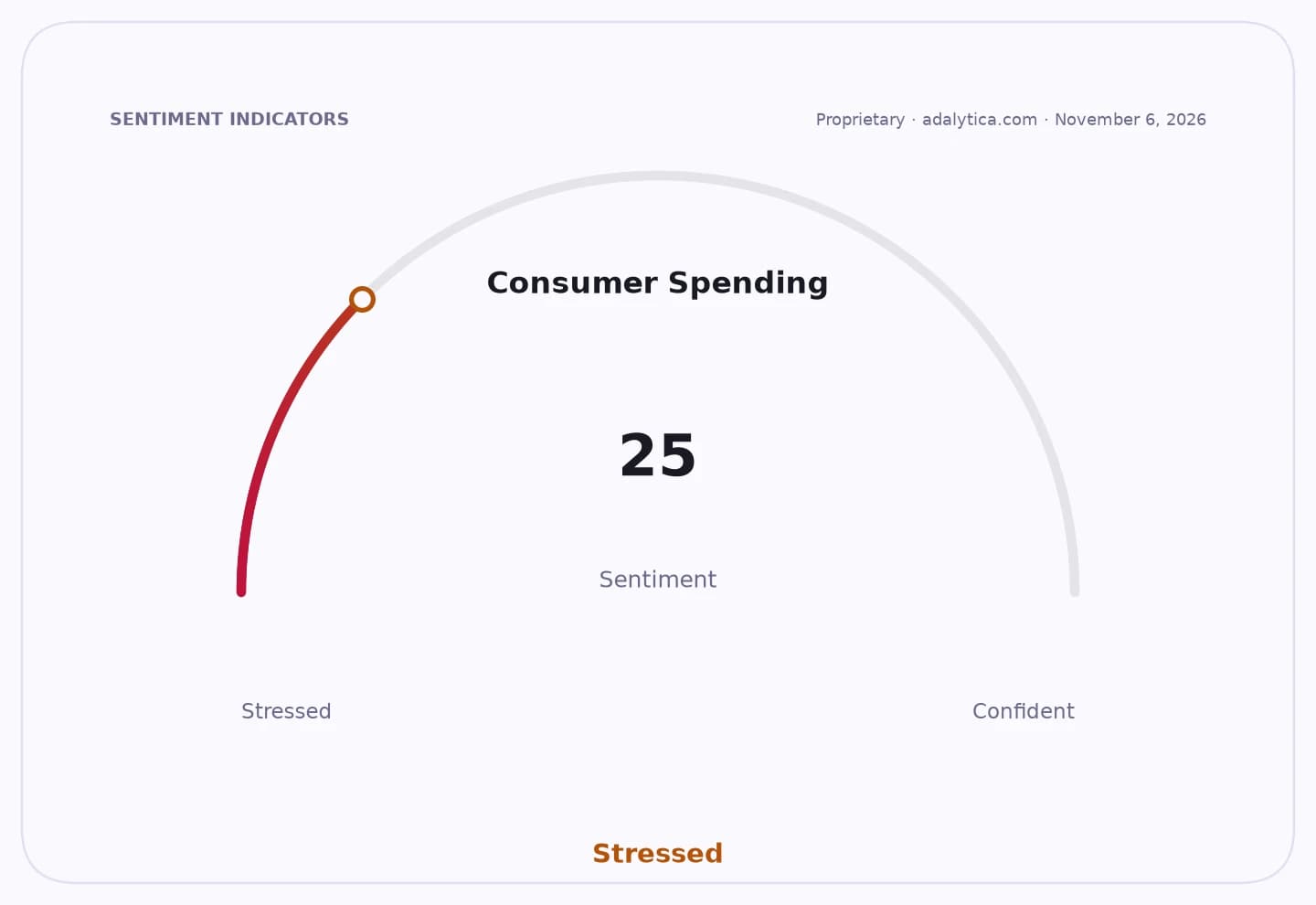
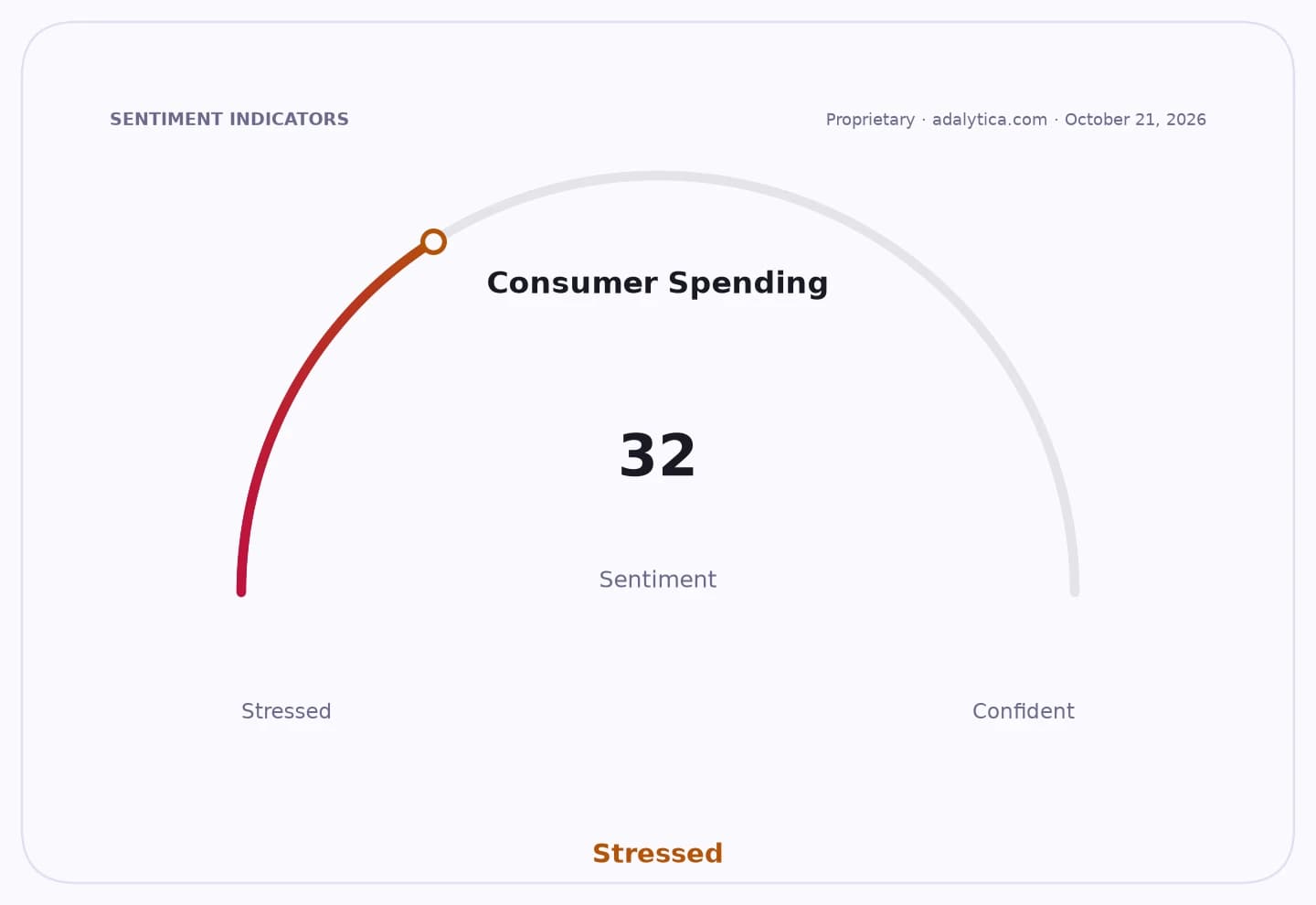
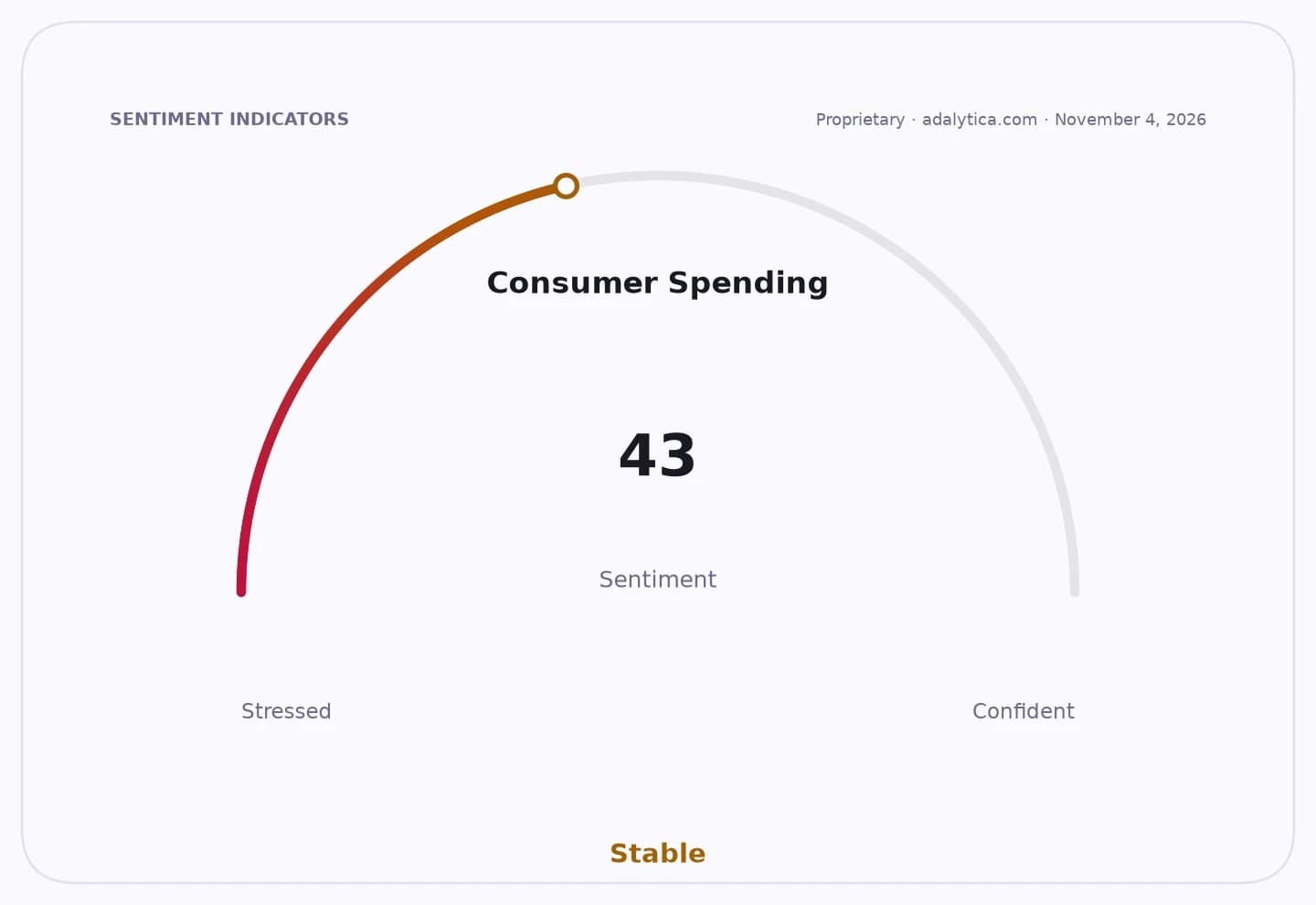
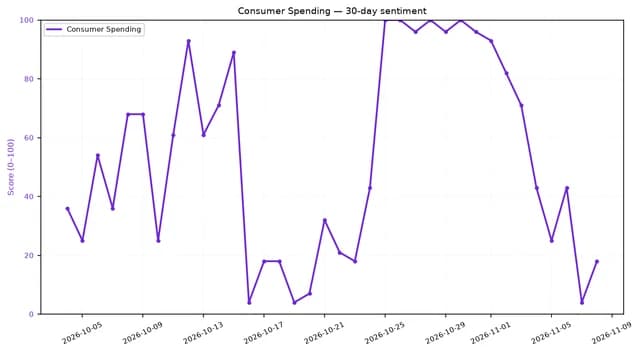
The broader backdrop is a consumer that remains psychologically stretched. Adalytica’s Consumer Spending Sentiment gauge sits in Fear at 18, with awareness in Extreme Fear at 11, underscoring how fragile discretionary demand can be even when households are still transacting.
For retailers and consumer-facing companies, the lesson is that the battle is not only over price, but over perception. The next test is whether inflation, softer sentiment and tighter budgets make shoppers even more selective about which expenses feel worth the money.
| Entity | Gains | Losses |
|---|---|---|
| Premium brands and hotels | ▲Pricing power from context | ▼Value-conscious shoppers |
| Discount retailers and supermarkets | ▲Visible savings drive traffic | ▼Big-ticket discretionary sellers |
| Consumers with tighter budgets | ▲Better awareness of spending biases | ▼Impulse and emotionally driven spending |
| Consumer-facing investors | ▲Clearer read on demand behavior | ▼Margin assumptions built on weak pricing discipline |