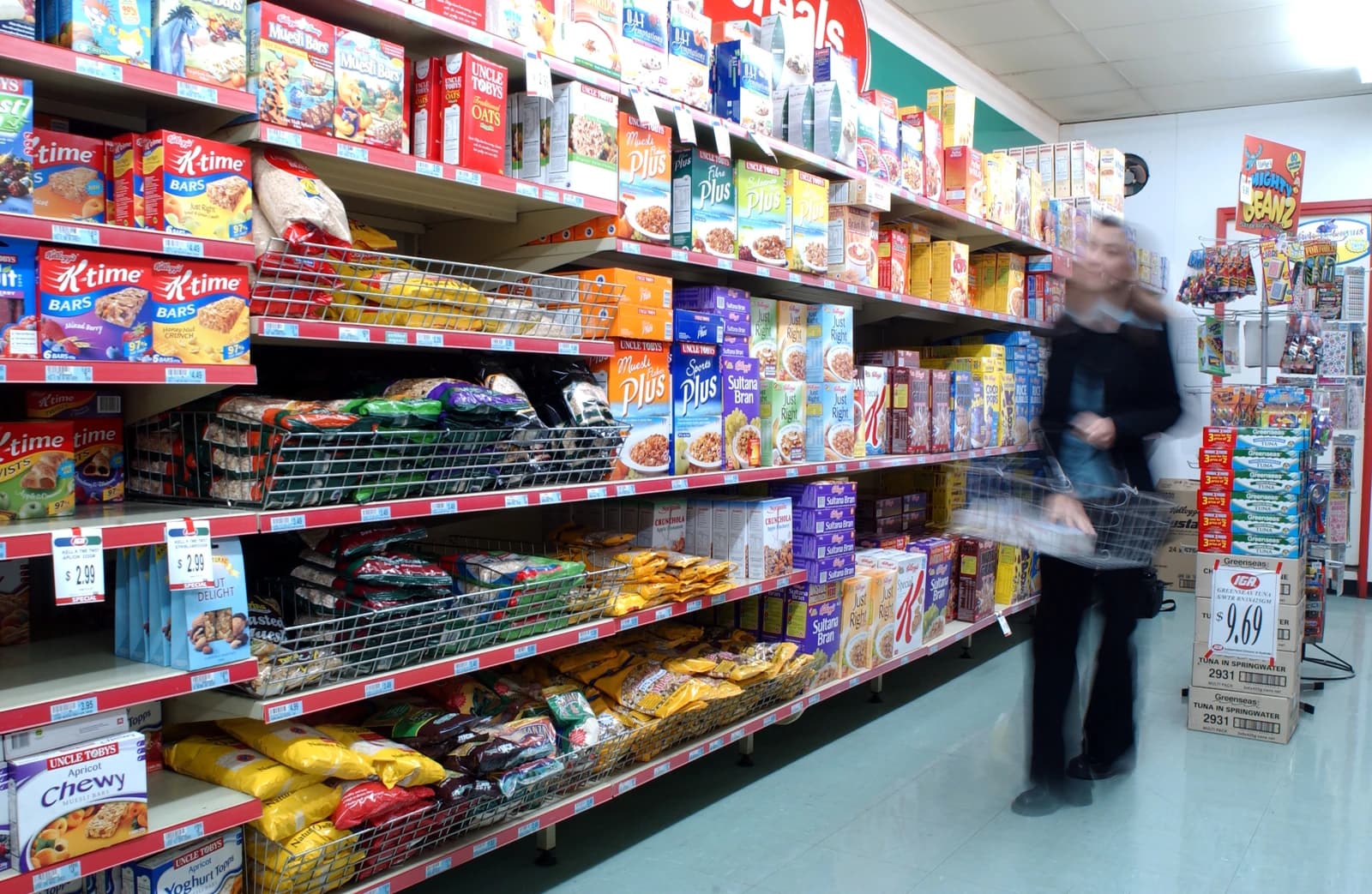
More Europeans are using shopping as a mood fix, with Intrum saying 45% now sometimes buy when they feel stressed, worried or bored, up from 29% a year ago, a jump that points to a still-resilient consumer even as household budgets remain under pressure.
Europe shoppers buy more to cope with stress
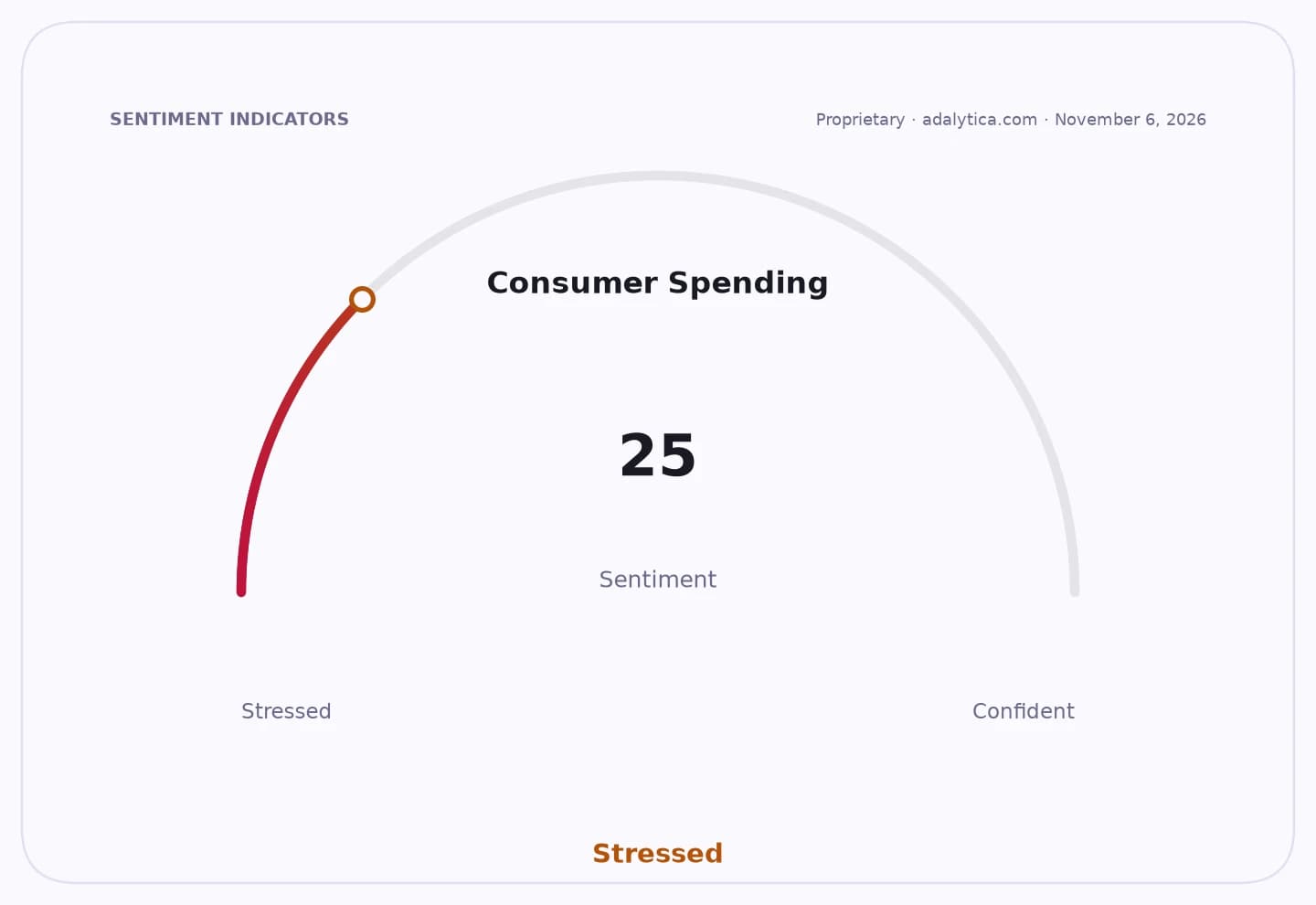
Consumer Spending
The shift matters because discretionary spending is one of the fastest ways sentiment turns into economic activity. If consumers are leaning on small purchases to cope with anxiety, that can support retail sales in the short term — but it also raises the risk of overspending, higher revolving credit use and later pullbacks when bills come due.
Sentiment Indicators
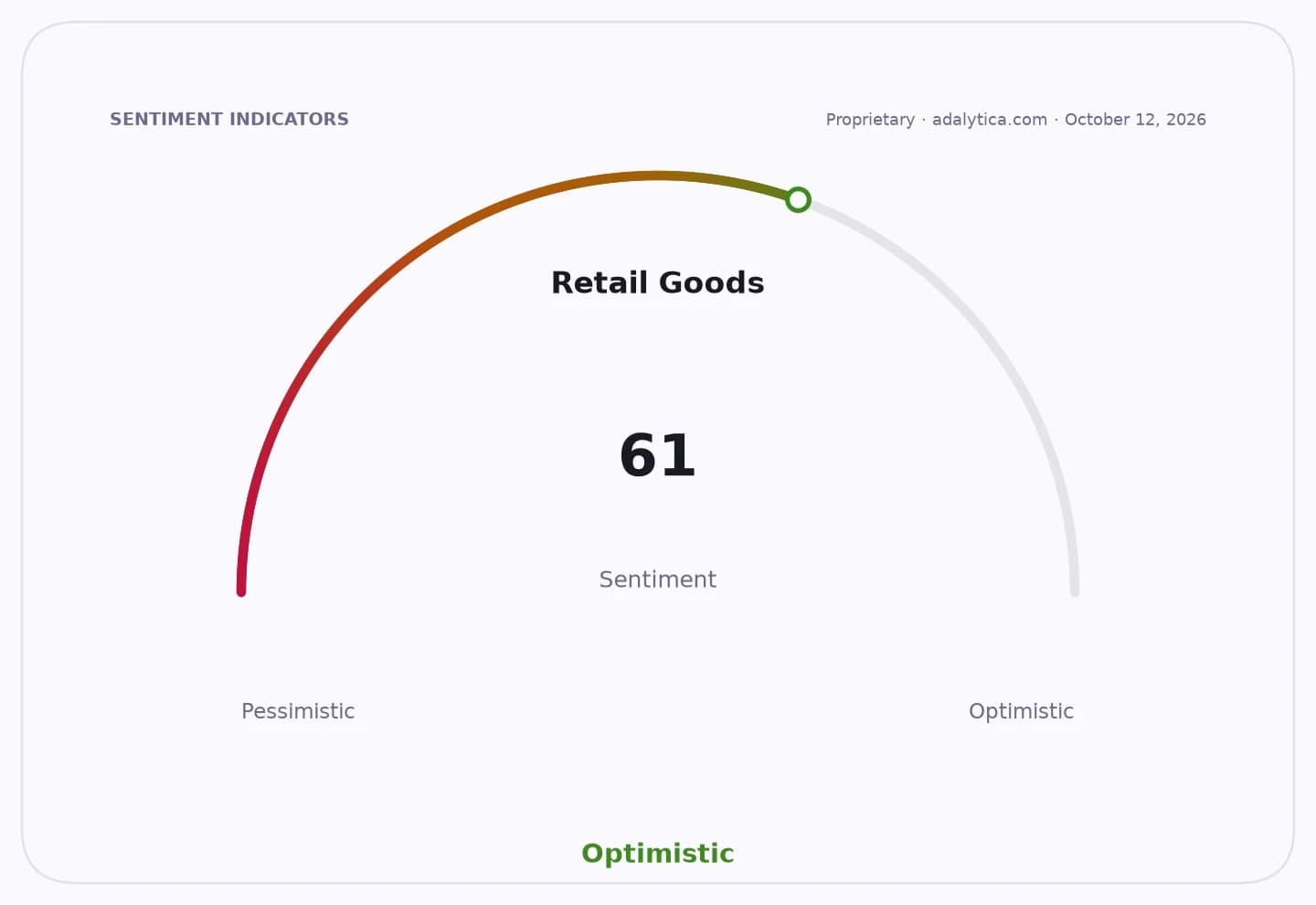
Retail Goods
Sweden stands out in the latest survey, with 41% of respondents saying they shop to feel better. The pattern is strongest among younger consumers: 61% of Generation Z say they do so, versus 33% of baby boomers, and 23% of young Europeans say they hide how much they spend on things they do not really need.
Intrum’s findings, based on 20,000 consumers across 20 European countries, suggest an economy in which anxiety is becoming a consumption driver. That is constructive for retailers in the near term, but it also means spending quality may deteriorate if households are financing “treats” with money they do not have.
For investors, the implications are mixed. Retailers selling lower-ticket, impulse-driven goods may benefit from the habit, while lenders and debt collectors could eventually see more strain if the behavior becomes entrenched. The latest data from Adalytica’s consumer spending gauge also shows sentiment at neutral while retail-goods spending awareness sits at extreme greed, underscoring how willing consumers still are to spend even as the broader mood softens.
The next test will be whether the trend holds into the holiday season and whether tighter household balance sheets force a reversal. If the mood-driven spending spike persists, it could support European retail revenues; if not, it may simply be borrowing demand from later in the year.
| Entity | Gains | Losses |
|---|---|---|
| European retailers | ▲Higher impulse sales | ▼More discounting risk later |
| Consumers seeking relief | ▲Short-term mood boost | ▼Bigger bills and guilt |
| Credit firms/lenders | ▲More transaction activity | ▼Higher default risk |
| Savers/debt-averse households | ▲Less exposure | ▼Relative spending momentum |