Diwali is usually sold as a season of optimism, but this year the smarter money move is caution: households are tightening festive budgets, gold is still doing its job as a portfolio diversifier and India’s newest small-cap fund is arriving just as valuations and volatility look less forgiving.
India Diwali Spending, Gold and Small-Cap Funds
Consumer Spending
That combination matters because Diwali spending and Diwali investing are really the same story — how much financial slack households have, how willing they are to take risk and where long-term returns are most likely to come from. When inflation is still biting, salary hikes are modest and layoffs are hanging over the IT sector, festive enthusiasm can quickly turn into balance-sheet stress.
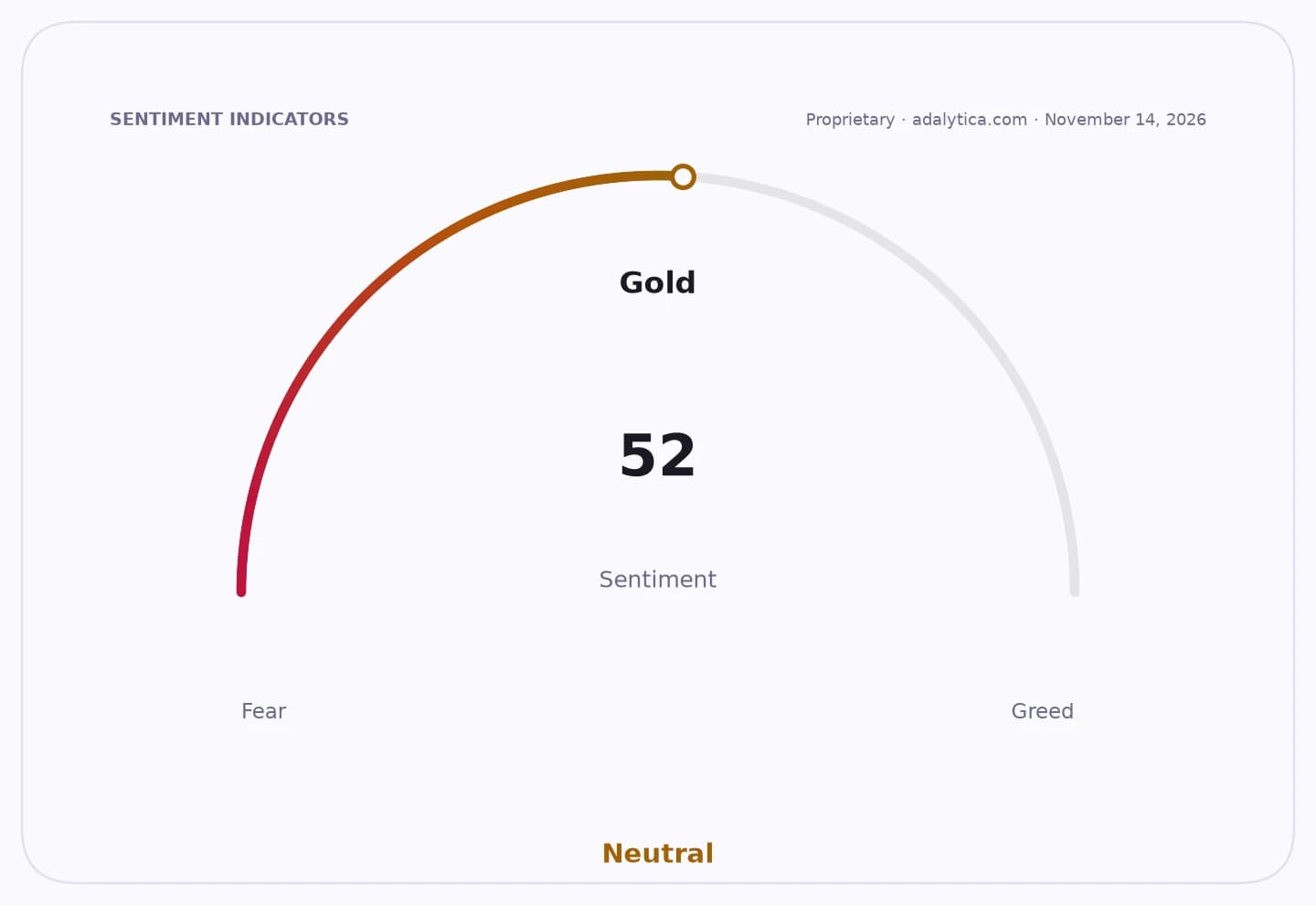
Sentiment Indicators
For investors, the first lesson is to clean up portfolios before adding more to them. Too many households own overlapping mutual funds, duplicate large-cap exposures and scattered small stock positions that add clutter without adding much return. The right question is not whether an investment is popular, but what job it is doing in the portfolio today. That is classic Diwali discipline, and it is worth applying before year-end allocations or bonus money gets deployed.
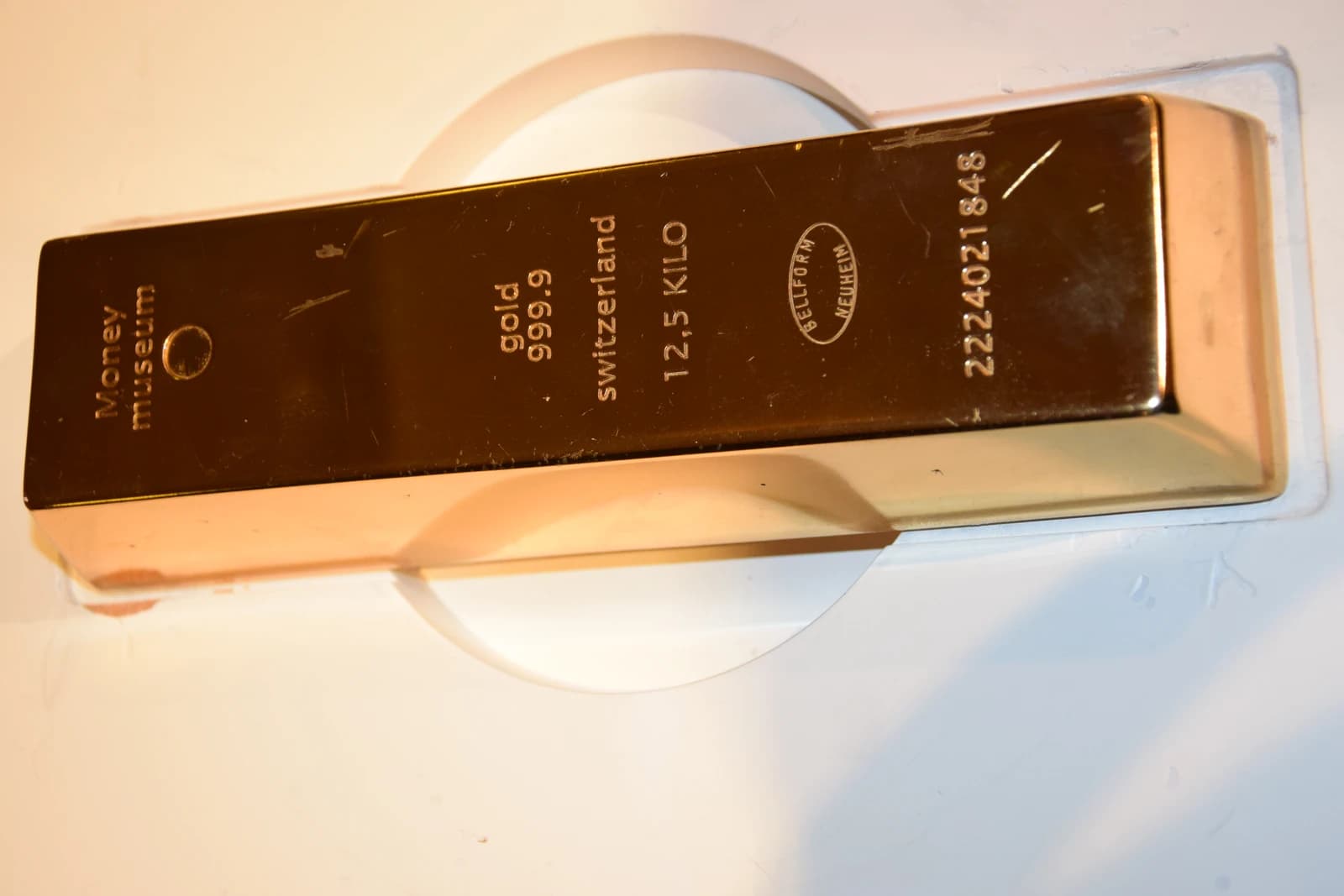
Gold remains the clearest example of that discipline. The metal can cushion portfolios when equities stumble, as it did during the 2008 crisis, but it is not a one-way hedge. Returns have been uneven over long stretches, which is why experts typically suggest limiting gold to about 10% to 15% of a portfolio. Gold ETFs are usually the most efficient route, though investors still need to watch for premiums when demand surges. In other words, gold is best treated as protection, not a chase trade.
Consumer Spending — 30-day sentimentadalytica.com
Explore this data interactively — full history, time series and cross-market comparisons.
The spending picture is less comforting. A LocalCircles survey found about 16%, or roughly one in six, households are funding festive purchases entirely from savings, a sign that some families are leaning on their emergency cushion rather than surplus income. Adalytica’s consumer-spending gauge shows sentiment at 4, or “Extreme Fear,” while retail-goods spending sentiment sits at 25, in “Fear,” suggesting caution is spreading faster than confidence. That lines up with what households are seeing on the ground: higher prices, smaller raises and less appetite for big-ticket buys.
For retailers, that is a mixed backdrop. Essentials and value-oriented sellers may hold up better than discretionary names if shoppers keep trimming budgets. For investors, it is another reminder that consumer demand is not a straight line, especially when households are prioritizing liquidity over celebration. Volatility in festive demand can create opportunities, but only for companies with pricing power, strong cash flow and a clear edge over weaker rivals.
The most interesting market subplot is small-cap investing. Carnelian Asset Management, one of the newest entrants in India’s ₹82-trillion mutual fund industry, has launched its first small-cap fund at a time when that segment is already under pressure from valuation worries, global uncertainty and crude oil swings. Small caps can still be a powerful wealth-building engine over years, but they also demand patience and a tolerance for drawdowns. Investors chasing festive momentum in this segment are taking on a very different kind of risk from the one they think they are buying.
The broader Diwali message is simple: this is a good time to invest with intention, not excitement. Keep emergency savings intact, avoid duplicating exposures, size gold as a diversifier rather than a bet and be selective about small caps. The holiday season may be about light, but portfolios usually do better when the plan is clear and the clutter is gone. For long-term investors, that makes this Diwali worth using to review, rebalance and hold steady.
| Entity | Gains | Losses |
|---|---|---|
| Gold ETF investors | ▲Low-cost diversification | ▼Premium risk |
| Households with emergency funds | ▲Spending flexibility | ▼None from shocks |
| Value retailers | ▲Defensive demand | ▼Big-ticket sellers |
| Small-cap fund buyers | ▲Long-term upside | ▼Near-term volatility |