India’s annual Muhurat trading session starts at 2:20 p.m. on Sunday, giving investors a rare Diwali window to trade equities and exchange-traded funds as the market kicks off Samvat 2083, but mutual fund orders will not be executed live and instead will be processed on Monday.
India Muhurat Trading Starts Sunday for Samvat 2083

That distinction matters because the session is less about volume and more about where retail and institutional money wants exposure for the new year. Equity trades and ETF orders can be placed during the live 2:20 p.m. to 3:30 p.m. window, with a pre-open from 2:05 p.m., while mutual fund purchases on broker platforms such as Groww, Zerodha Coin and Kuvera may be submitted through the day but will only be handled in the next working cycle when markets and banking rails reopen.
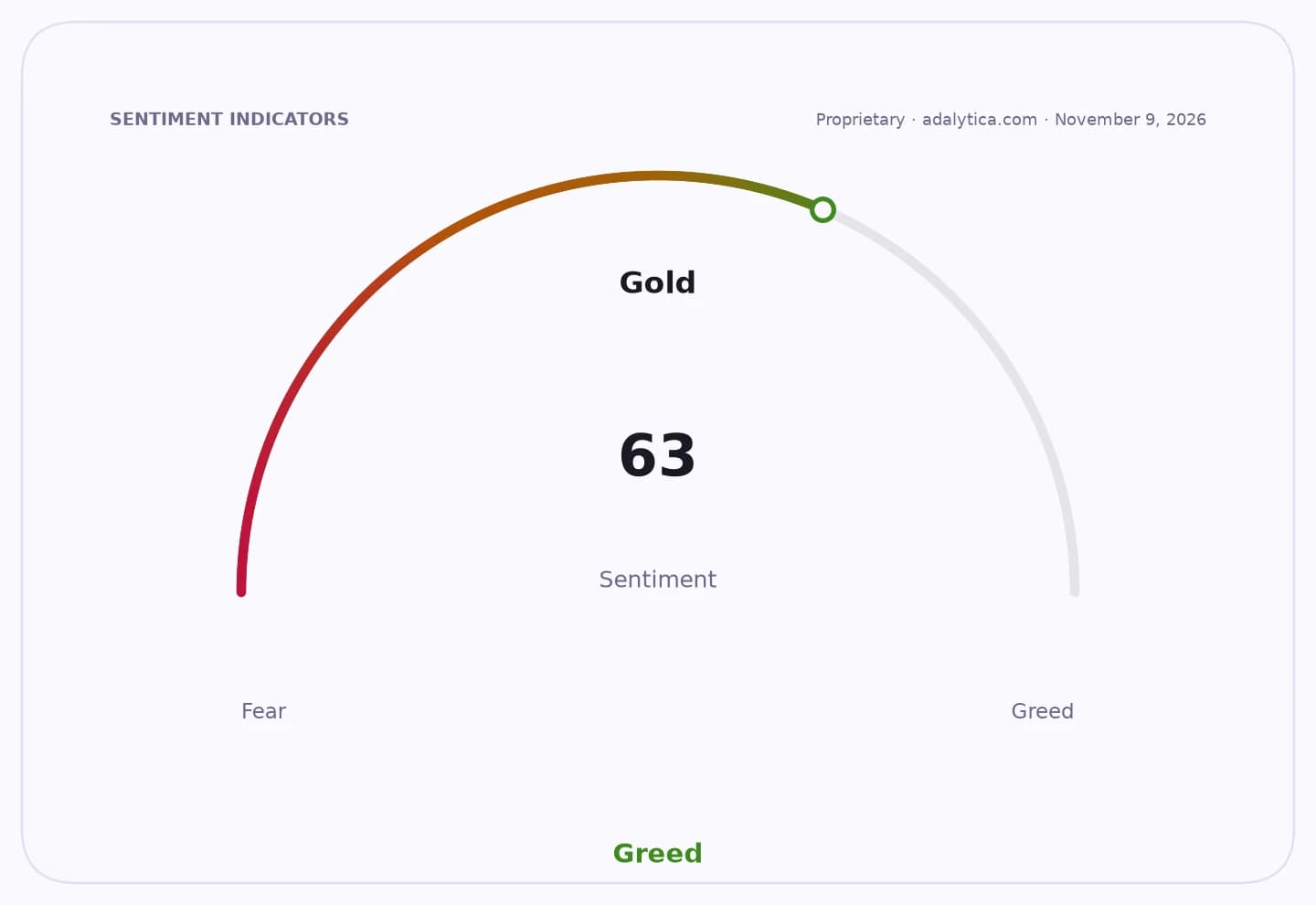
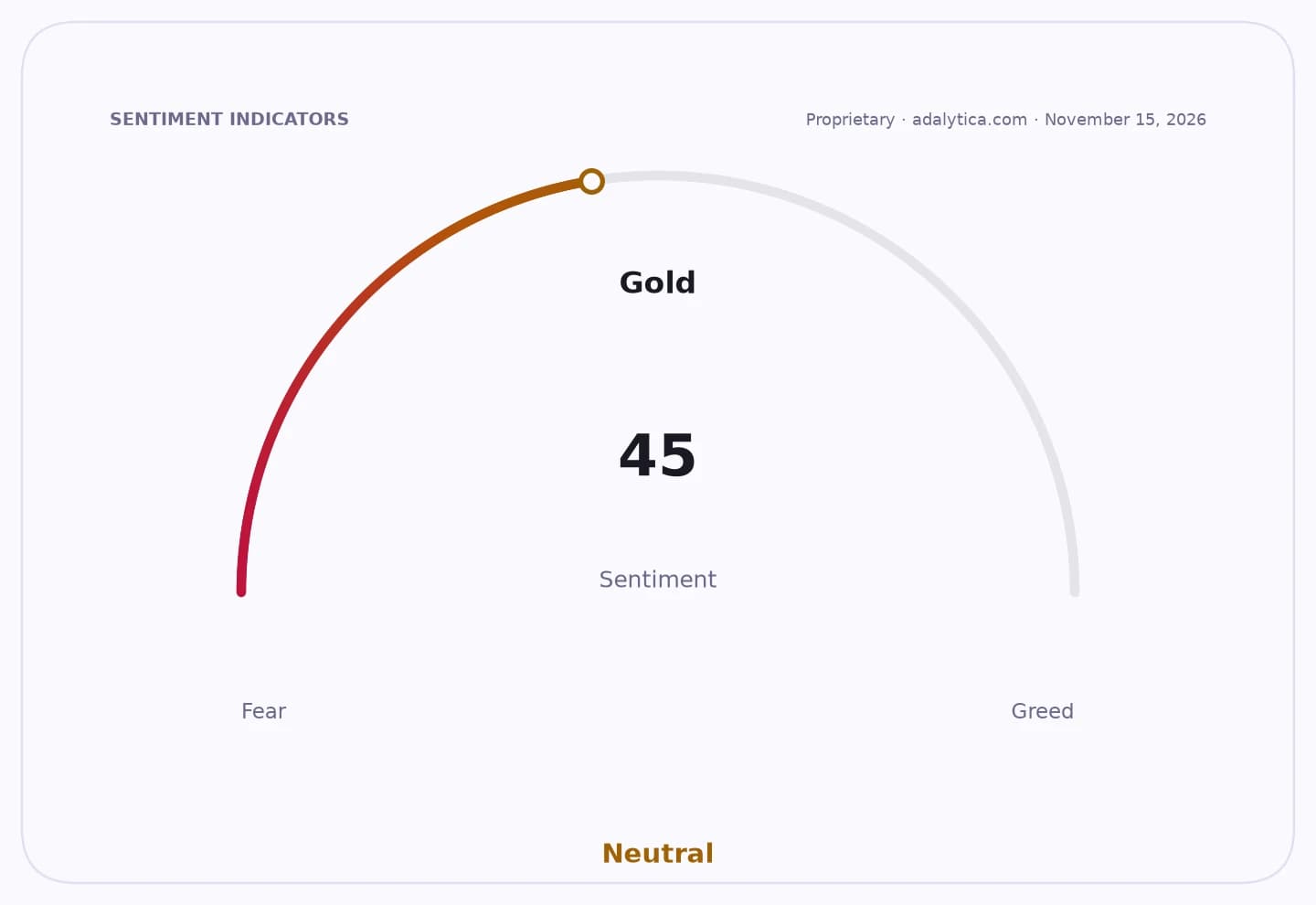
For investors, the more interesting trade is not just whether to participate, but how to allocate fresh capital. The market message in this kind of session is often symbolic, yet the underlying positioning can still reveal a lot: gold ETFs are the lower-volatility hedge for those seeking stability, while silver ETFs offer a higher-beta way to play industrial demand and a potentially sharper rebound if the cycle strengthens.
That makes the gold-versus-silver decision an investable theme, not a ritual one. Gold ETFs typically appeal to capital preservation and macro caution, while silver ETFs carry more upside if manufacturing, clean energy and industrial demand improve. In a year when investors are clearly balancing optimism with caution, the split allocation strategy — a larger chunk to gold and a smaller, riskier slice to silver — fits the current market mood.
The broader backdrop is telling as well. Muhurat trading is traditionally seen as auspicious, but the market’s behavior in these sessions often reflects sentiment more than superstition. This year’s mixed tone underscores that investors are still weighing inflation, growth and liquidity conditions even as they mark the start of the new Samvat year.
For traders and long-term investors, the practical takeaway is simple: use the Muhurat window to express a macro view, not just a cultural habit. Equity exposure can still be added during the live session, but those looking for a cleaner tactical hedge may find the most asymmetric opportunity in precious-metals ETFs, especially if volatility stays elevated and industrial demand keeps silver in play.
| Entity | Gains | Losses |
|---|---|---|
| Gold ETF buyers | ▲Lower volatility exposure | ▼Faster upside potential |
| Silver ETF buyers | ▲Higher rebound leverage | ▼Greater drawdown risk |
| Mutual fund investors | ▲Convenient order placement | ▼Delayed execution till Monday |
| Equity traders in Muhurat session | ▲Live Sunday trading access | ▼Short, time-bound window |