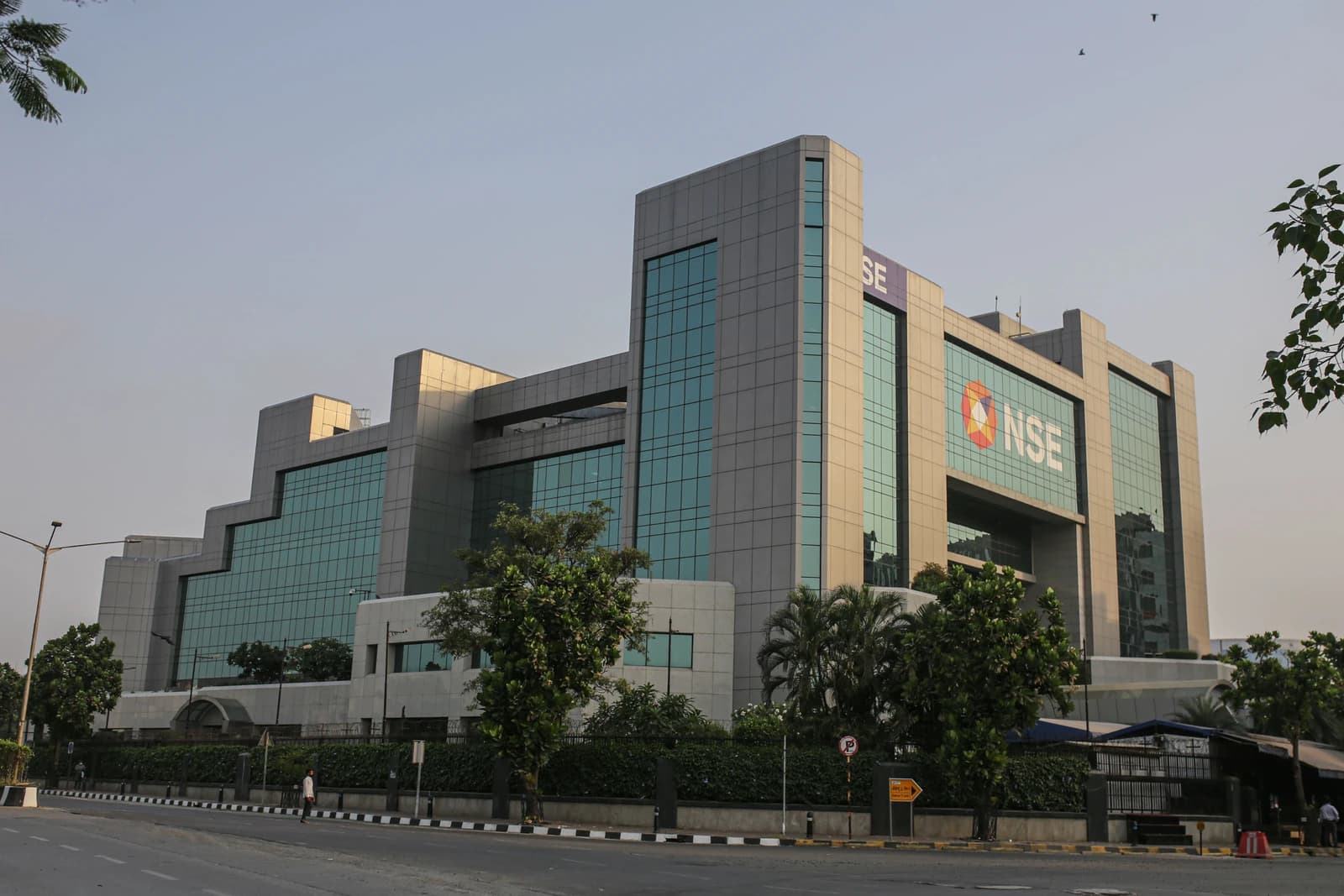
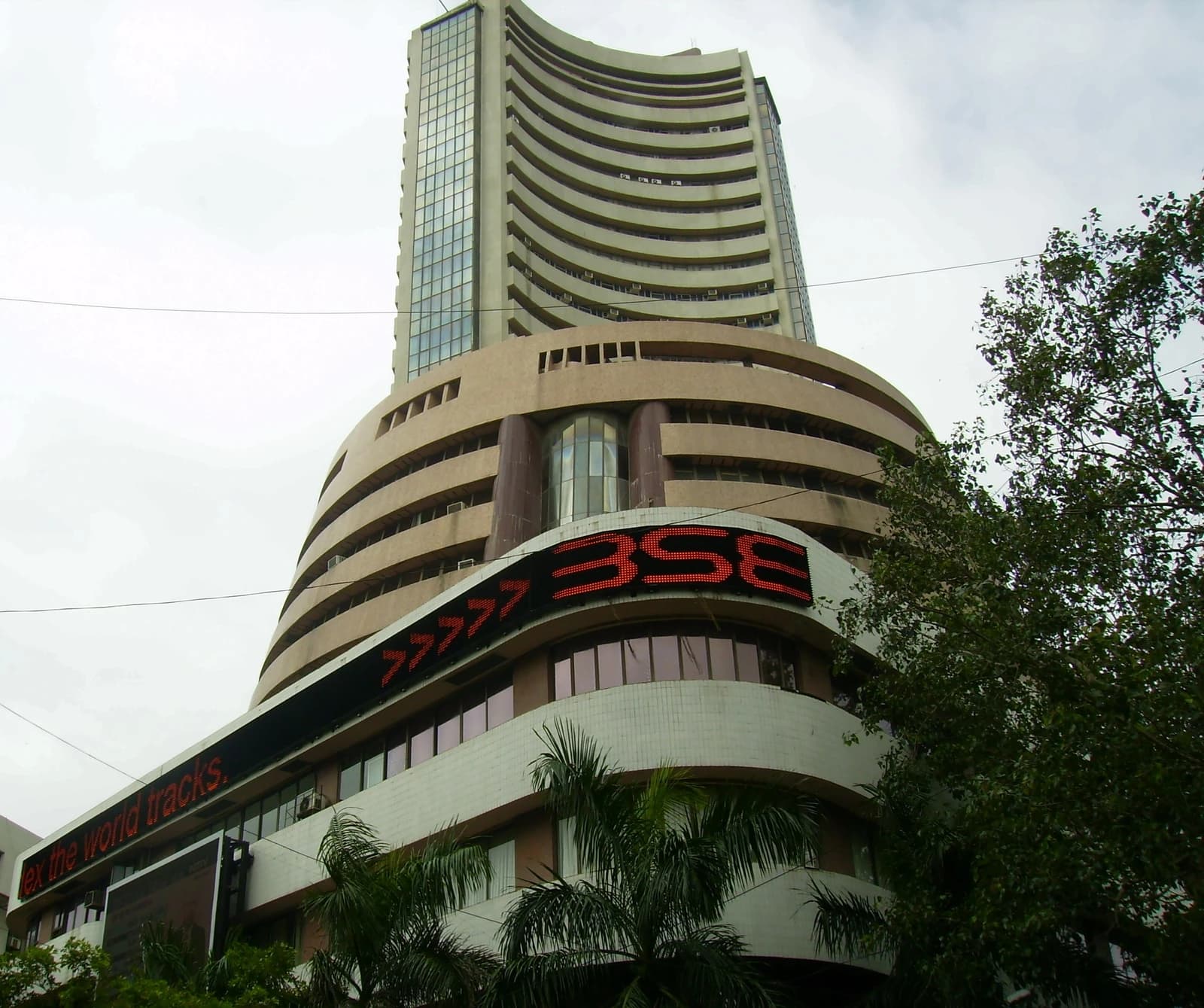
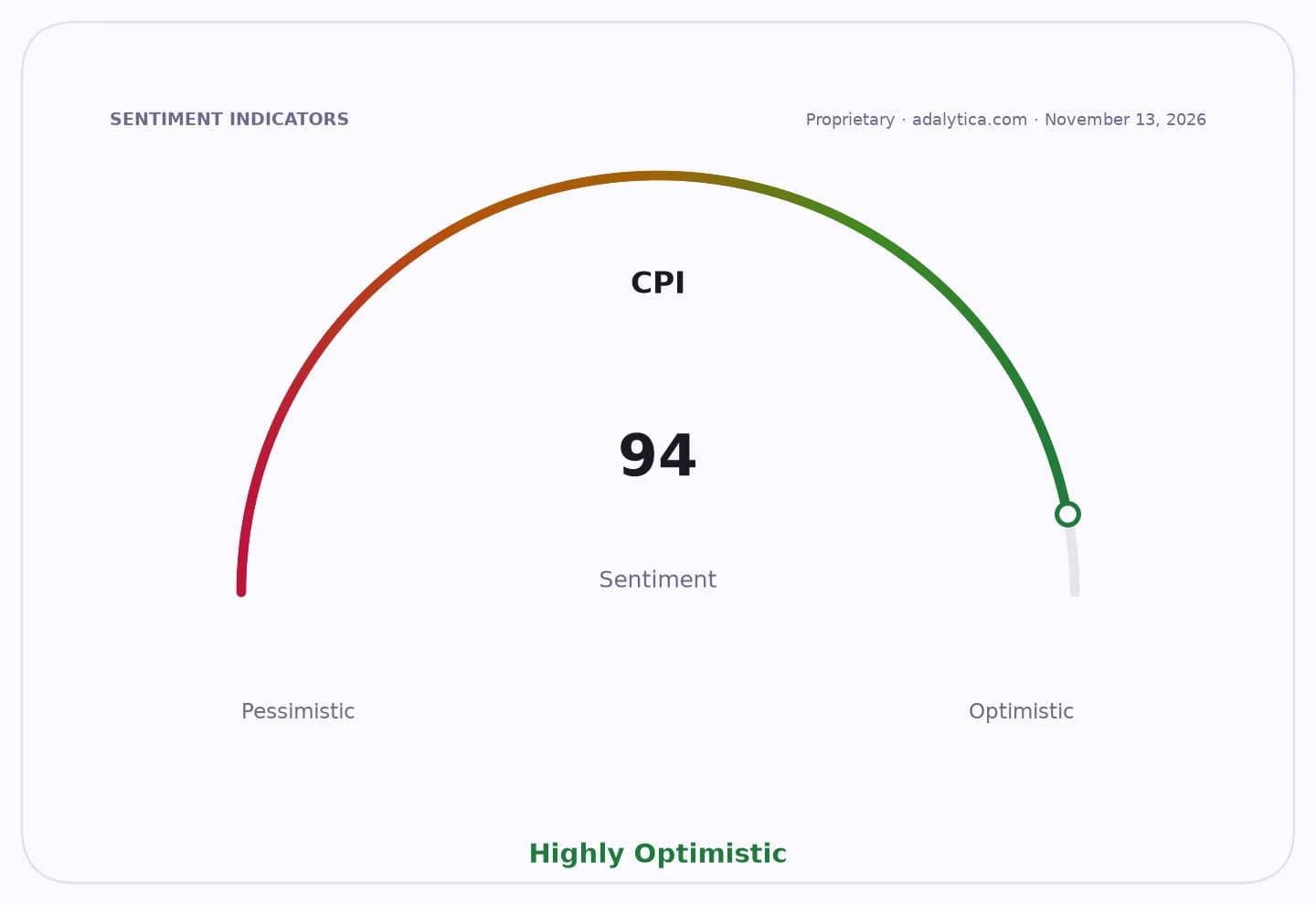
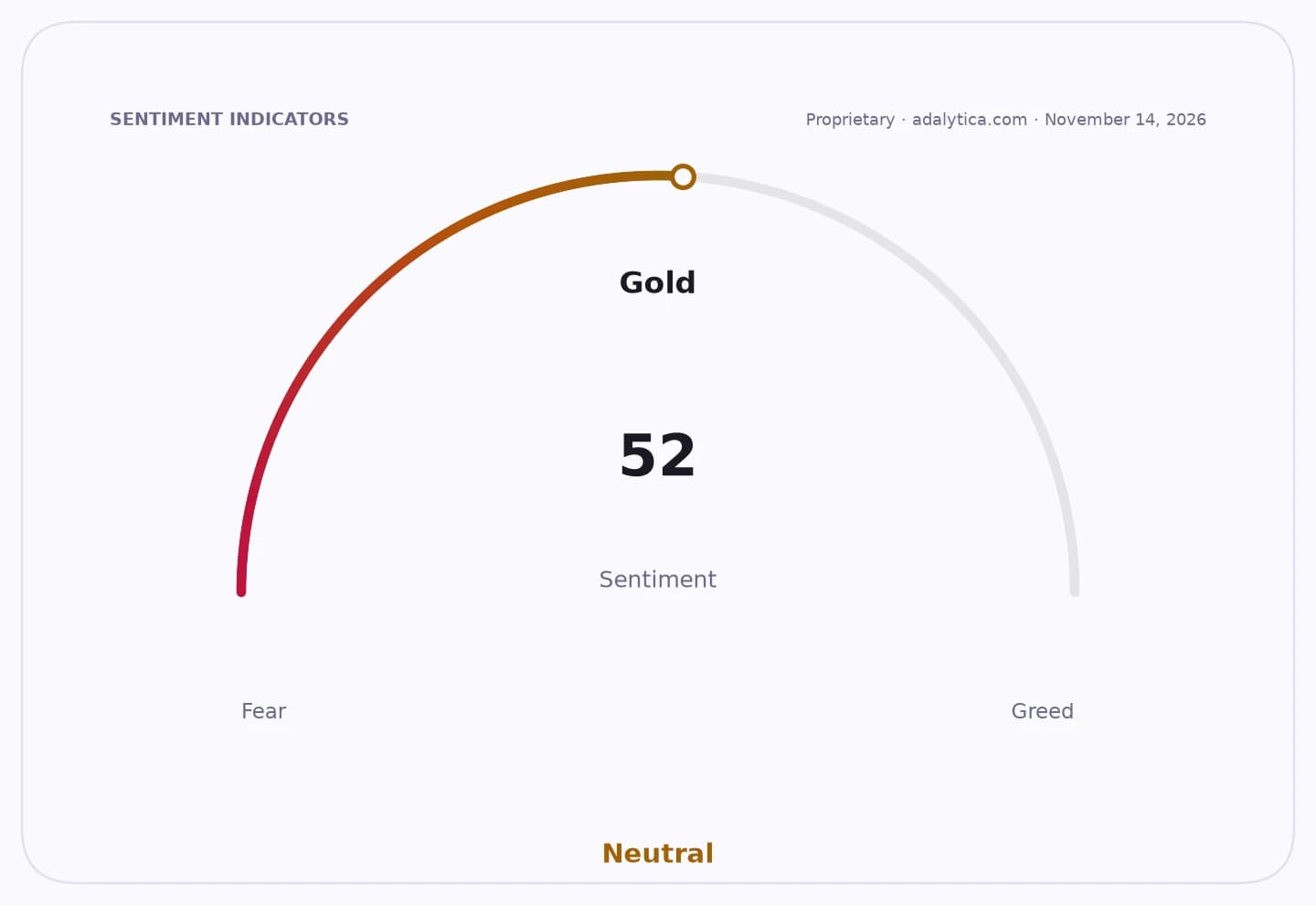
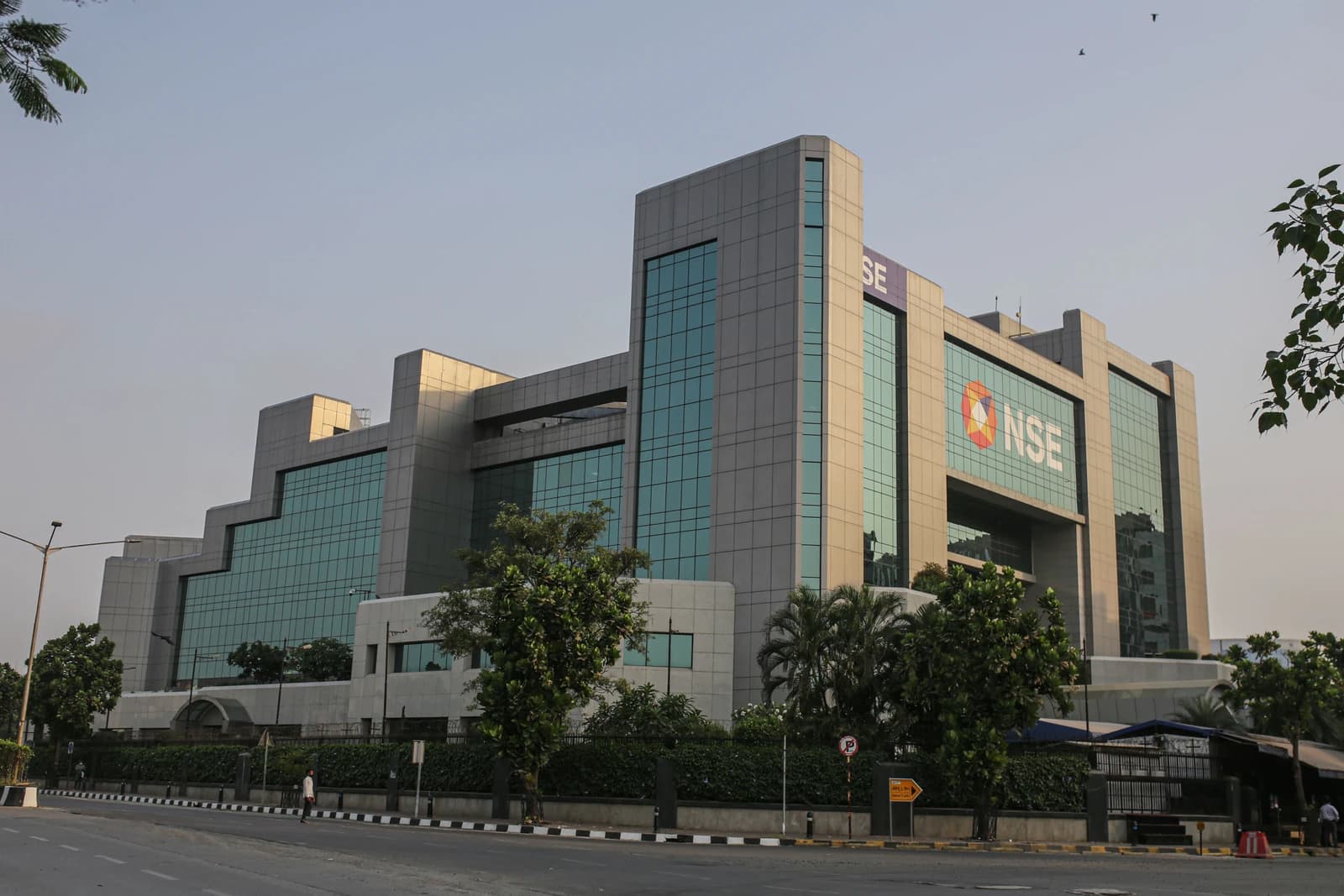
Indian equities will get their annual Diwali lift on Sunday with Muhurat trading starting at 2:20 p.m., a one-hour special session that has become a closely watched marker of festive sentiment even though its economic impact is mostly symbolic.
India Muhurat Trading Starts Sunday Afternoon
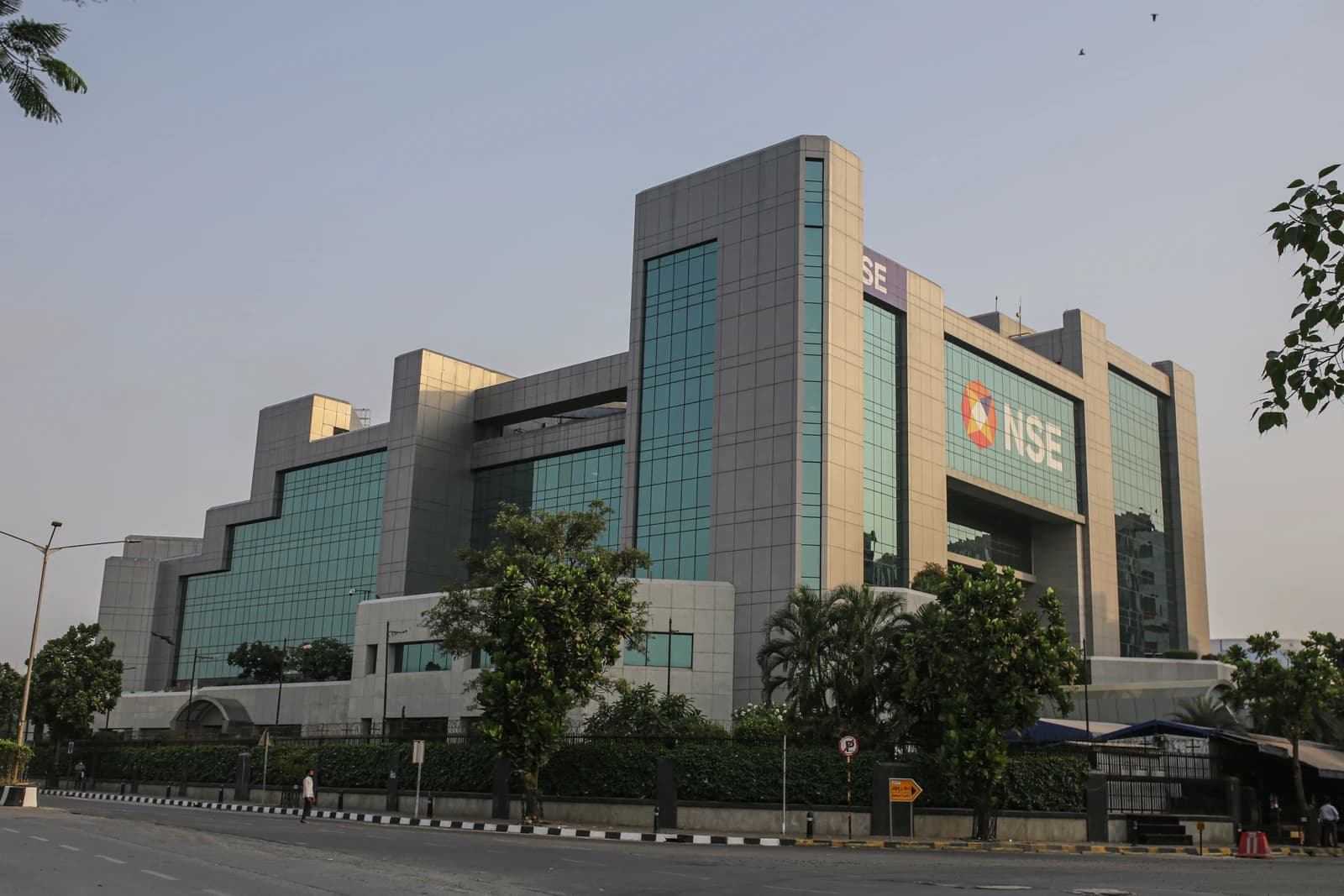
The timing shift matters for market participants because it brings the ritual into the afternoon, after requests from traders and investors last year to move away from the traditional evening slot around Lakshmi Puja. Pre-open order entry will begin at 2:05 p.m., with the regular session running from 2:20 p.m. to 3:30 p.m. For stocks under the call auction system, trading will end at 3:15 p.m., followed by reference price calculation, order entry, matching and post-close processing.
Muhurat trading rarely sets the tone for the year on its own, but it remains a useful gauge of investor mood at the start of the new Hindu financial year. Over the past five years, the session has produced gains of less than 1%, underscoring that it is more about positioning, tradition and participation than a meaningful change in fundamentals. The biggest move in that period came in 2022, when the market rose 0.87% during the session.
For investors, the significance is less about price discovery and more about liquidity and psychology. The short session often draws retail participation, token buying and portfolio housekeeping, while institutions tend to use it to signal confidence rather than commit large risk. That can create an upbeat tape, but it also makes the move hard to extrapolate into broader market direction.
The market will reopen for normal trading on Monday, while Tuesday, Nov. 10, will be a holiday for Diwali-Balipratipada on both the BSE and NSE. That calendar setup can affect short-term order flow, especially for traders managing positions around a long festive break.
Recent price action in India-focused ETFs points to a market that has already recovered sharply into the festival. The INDA exchange-traded fund has climbed from $45.56 on Oct. 8 to $51.45 on Nov. 13, while EPI has risen from $41.46 on Oct. 20 to $44.13 over the same broad period. In both cases, the 50-day moving average has been trending higher and prices have moved well above the 200-day moving average, though the RSI readings are stretched, suggesting momentum is strong but near-term overbought conditions may limit follow-through after the festive session.
The bull case for Muhurat trading is that it reinforces domestic confidence at a time when retail participation in Indian markets remains structurally strong and festive spending is supporting broader consumption. The bear case is that the one-hour session is more ceremonial than informative, and any gains may fade once normal trading resumes and investors refocus on earnings, valuations and global risk appetite.
For now, the session should be read as a sentiment event rather than a macro inflection point. What investors will watch next is whether the festive optimism translates into sustained flows in the days after Diwali, or whether the market’s seasonal cheer remains confined to a single symbolic hour.
| Entity | Gains | Losses |
|---|---|---|
| Retail investors | ▲Festive participation | ▼Limited price discovery |
| BSE and NSE | ▲Higher visibility and activity | ▼Full-day liquidity |
| Bullish traders | ▲Short-term sentiment boost | ▼Sustained follow-through uncertainty |
| Bears/short sellers | ▲None material | ▼Upward festive bias |