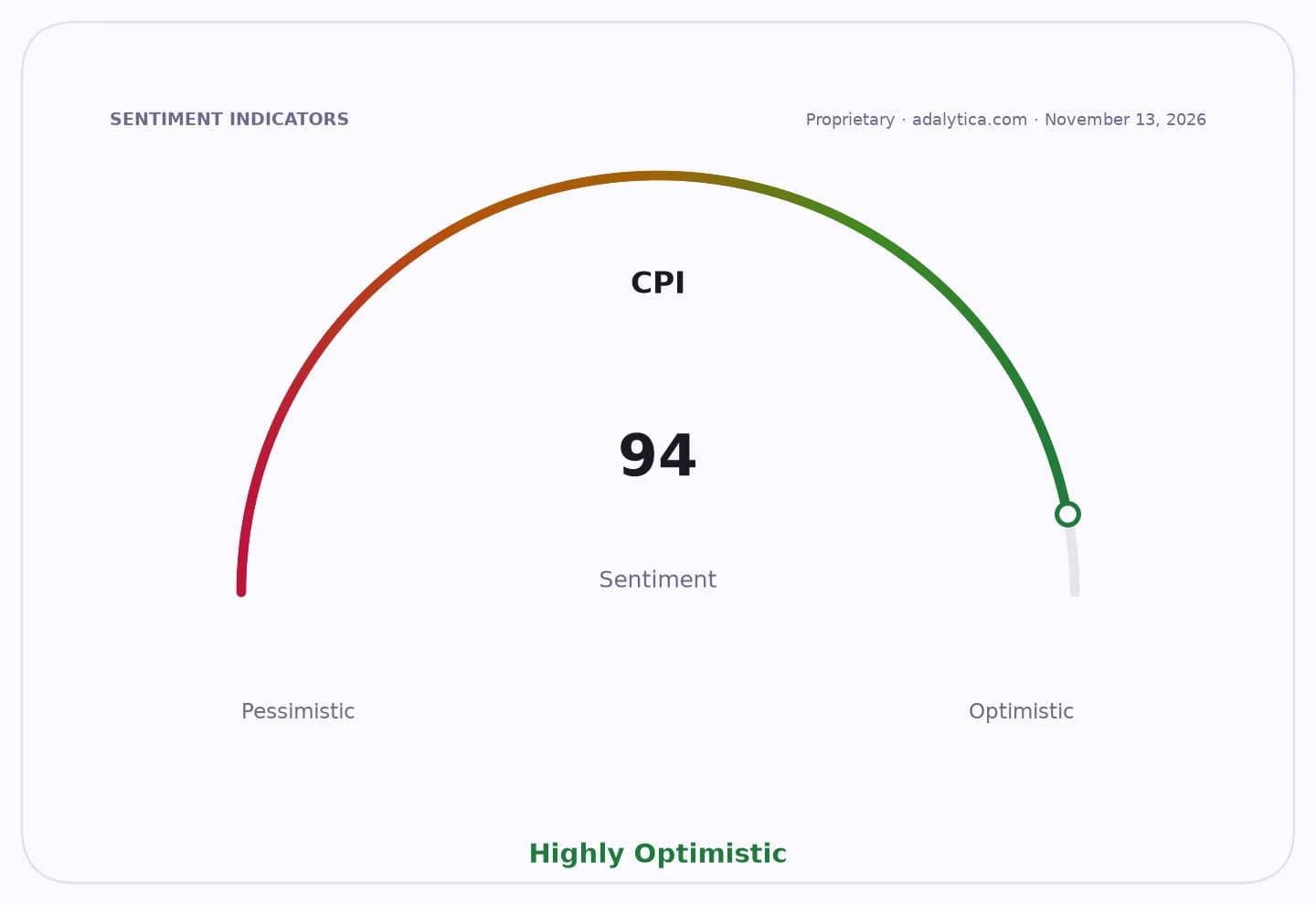
India’s stock markets will stage their annual Diwali Muhurat trading session on Sunday, Nov. 8, 2026, giving investors a rare one-hour window to buy and sell despite the holiday and underscoring how deeply the festival remains woven into market culture.
India stocks set for Diwali Muhurat trading session

For long-term investors, the important point is not just the timetable — it is the signal of continuity. NSE and BSE will open a special live session from 2:20 p.m. to 3:15 p.m., while MCX will run from 2:20 p.m. to 3:30 p.m. The exchanges will then close on Tuesday for Diwali-Balipratipada. In practical terms, the session is less about immediate trading advantage and more about the ritual of starting the new Hindu calendar year with fresh positions, fresh capital and a new investment discipline.
That matters economically because Muhurat trading tends to concentrate sentiment and activity around one symbolic session, often drawing retail participation and reinforcing the idea that equities remain a core household asset class in India’s growth story. Even when the move itself is small, the message is big: investors still see the stock market as a place to compound wealth over years, not just speculate over days.
The schedule is precise. Block deals will run from 1:50 p.m. to 2:05 p.m., followed by pre-open order entry from 2:05 p.m. to 2:10 p.m., pre-open matching from 2:15 p.m. to 2:17 p.m. and a buffer period until 2:20 p.m. The closing auction session will follow the live market window, with the post-market closing session ending at 4:00 p.m. Those details matter for active traders, but the larger takeaway for investors is simpler: India’s markets remain organized, liquid and open even around major cultural events, which supports participation and confidence.
That reliability is part of what makes India’s market structure appealing to long-term buyers. A one-day festive session may not move valuations, but it does highlight the depth of domestic financial engagement at a time when the broader market narrative still revolves around rising participation, steady reforms and growing investor awareness. In a market where discipline matters more than celebration, Muhurat trading serves as a yearly reminder to stay invested, diversified and patient.
For investors, the session is worth watching, but not chasing. The real opportunity lies in using the moment to review holdings, add quality businesses gradually and think in three- to 10-year horizons rather than trying to outguess a single festive afternoon.
| Entity | Gains | Losses |
|---|---|---|
| Long-term investors | ▲Fresh annual start | ▼Short-term traders seeking volatility |
| NSE/BSE/MCX | ▲Higher participation | ▼Normal holiday closure routine |
| Retail buyers | ▲Symbolic entry point | ▼Those expecting big one-day moves |
| Market discipline | ▲Reinforced investing habit | ▼Impulse-driven speculation |