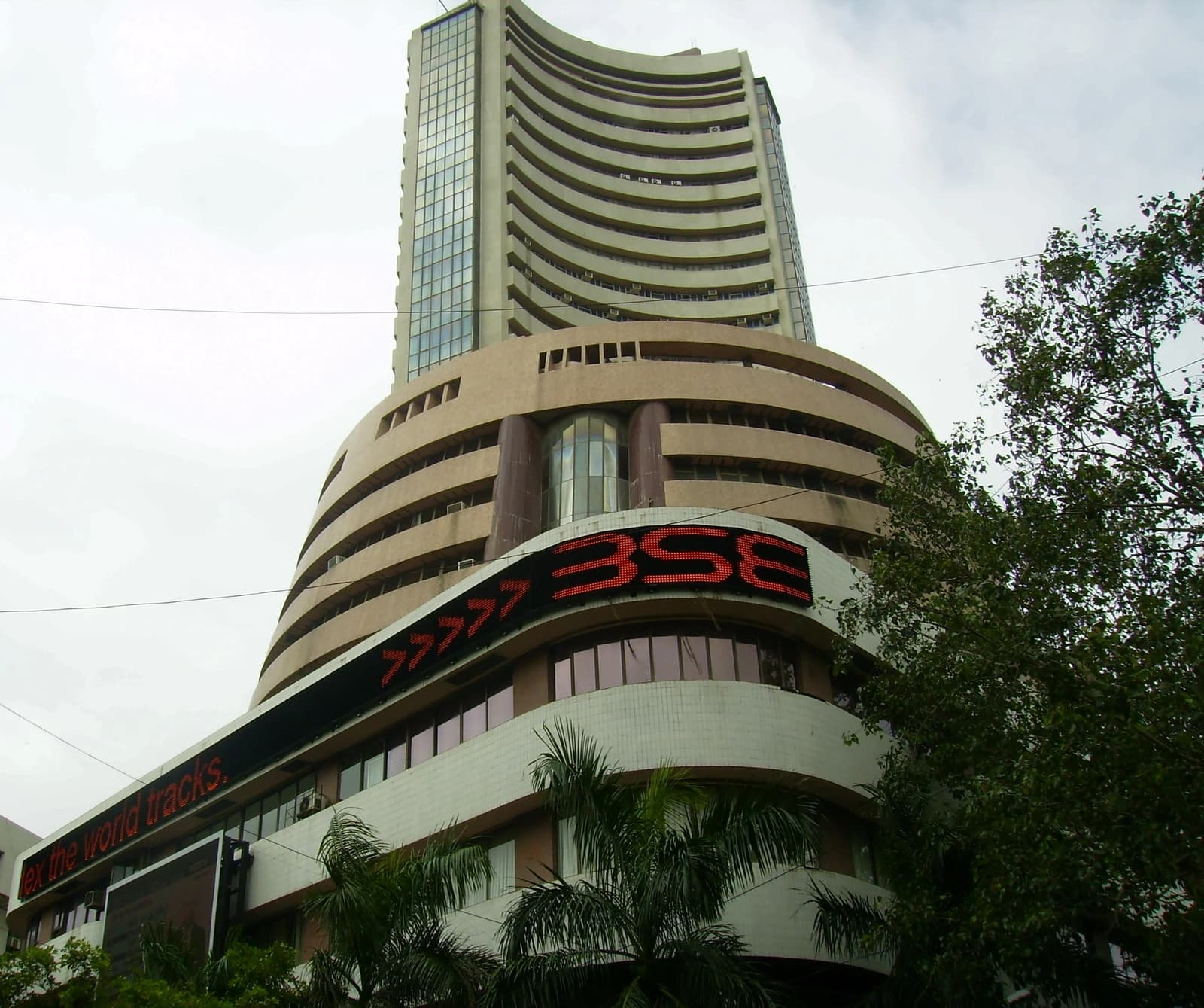
India’s stock market extended its rally to a seventh straight session on Friday, with the Sensex jumping more than 1,700 points as domestic financial shares led a broad advance that contrasted sharply with weakness in global technology stocks.
Sensex jumps 2.17% as Indian financials lead rally
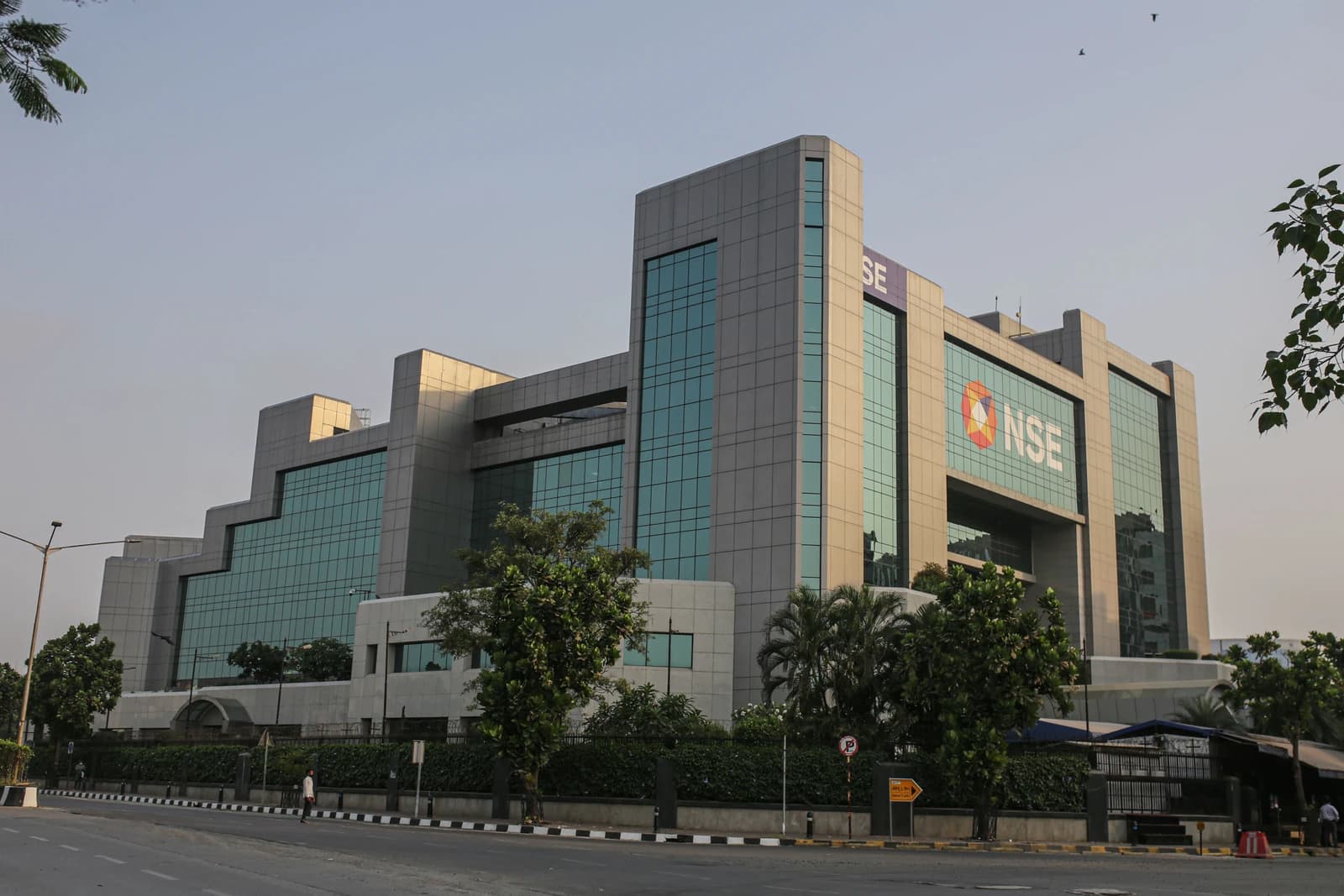
The S&P BSE Sensex closed at 81,028.02, up 1,718.02 points, or 2.17%, in one of the index’s strongest single-day gains this year. The move lifted Indian equities further into positive momentum even as overseas markets came under pressure from renewed selling in AI and other technology names. For investors, the key message is that Indian shares are still attracting capital on a relative basis, and that strength is increasingly being driven by sectors tied more closely to domestic credit growth than to global risk appetite.
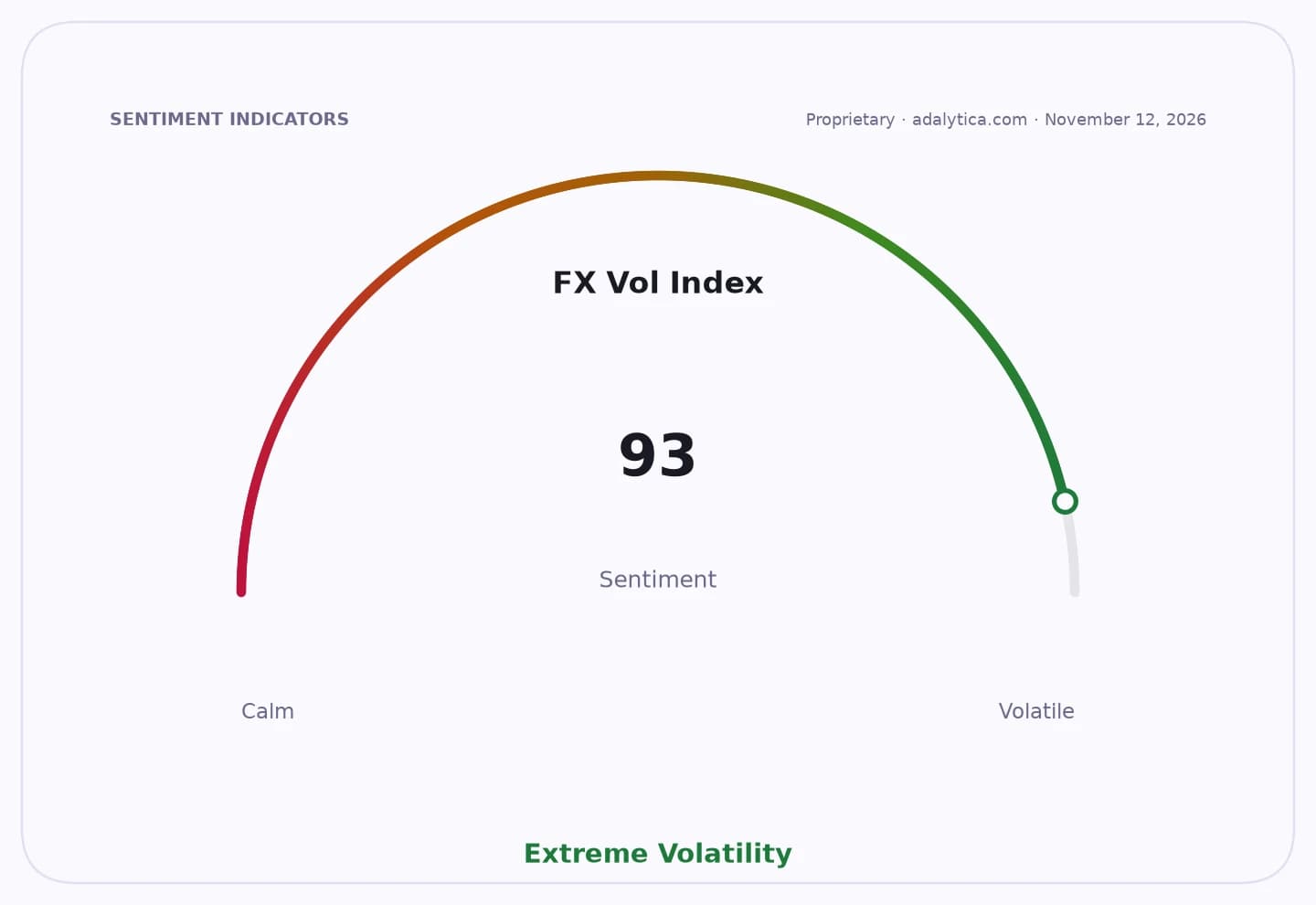
Sentiment Indicators
Financial stocks were the main engine of the rise, underscoring how much the market’s latest leg higher depends on banks and other lenders. That matters economically because Indian financials are a proxy for loan demand, credit quality and broader private-sector activity. A strong move in the sector suggests traders are betting that domestic growth remains resilient enough to support earnings, even as parts of the global market question the durability of the technology-led rally.
The seven-day advance also reflects a market that has regained confidence after a choppy stretch earlier in the year. India has increasingly been viewed as a relative safe haven for equity exposure in Asia, helped by its large domestic investor base, stronger growth profile and lower direct dependence on the U.S. tech cycle than some other markets. That relative insulation is becoming more valuable as global sentiment turns more defensive.
Still, the speed of the run-up leaves the market vulnerable to profit-taking. Conventional technical indicators on India-focused exchange-traded funds such as the INDA, EPI and FLIN funds show readings that are stretched, with relative strength index levels in overbought territory and prices trading above their 50-day averages. That does not by itself signal an imminent reversal, but it does suggest the rally has moved quickly enough that fresh news will be needed to extend it.
For investors, the near-term question is whether the move can broaden beyond financials and sustain itself if global equities remain under pressure. A continued rotation into Indian banks and domestically oriented sectors would support the bull case for Indian stocks as a relative-growth trade. The bear case is that the market has run ahead of earnings and is vulnerable if foreign funds trim risk or if global volatility spills into emerging markets.
| Entity | Gains | Losses |
|---|---|---|
| Sensex | ▲Momentum and record-level confidence | ▼Buyers chasing after a sharp move |
| Indian financial stocks | ▲Leadership and capital inflows | ▼Sector short sellers |
| Domestic India-focused investors | ▲Relative outperformance | ▼Global-tech-heavy portfolios |
| Global technology shares | ▲— | ▼Risk appetite and market breadth |