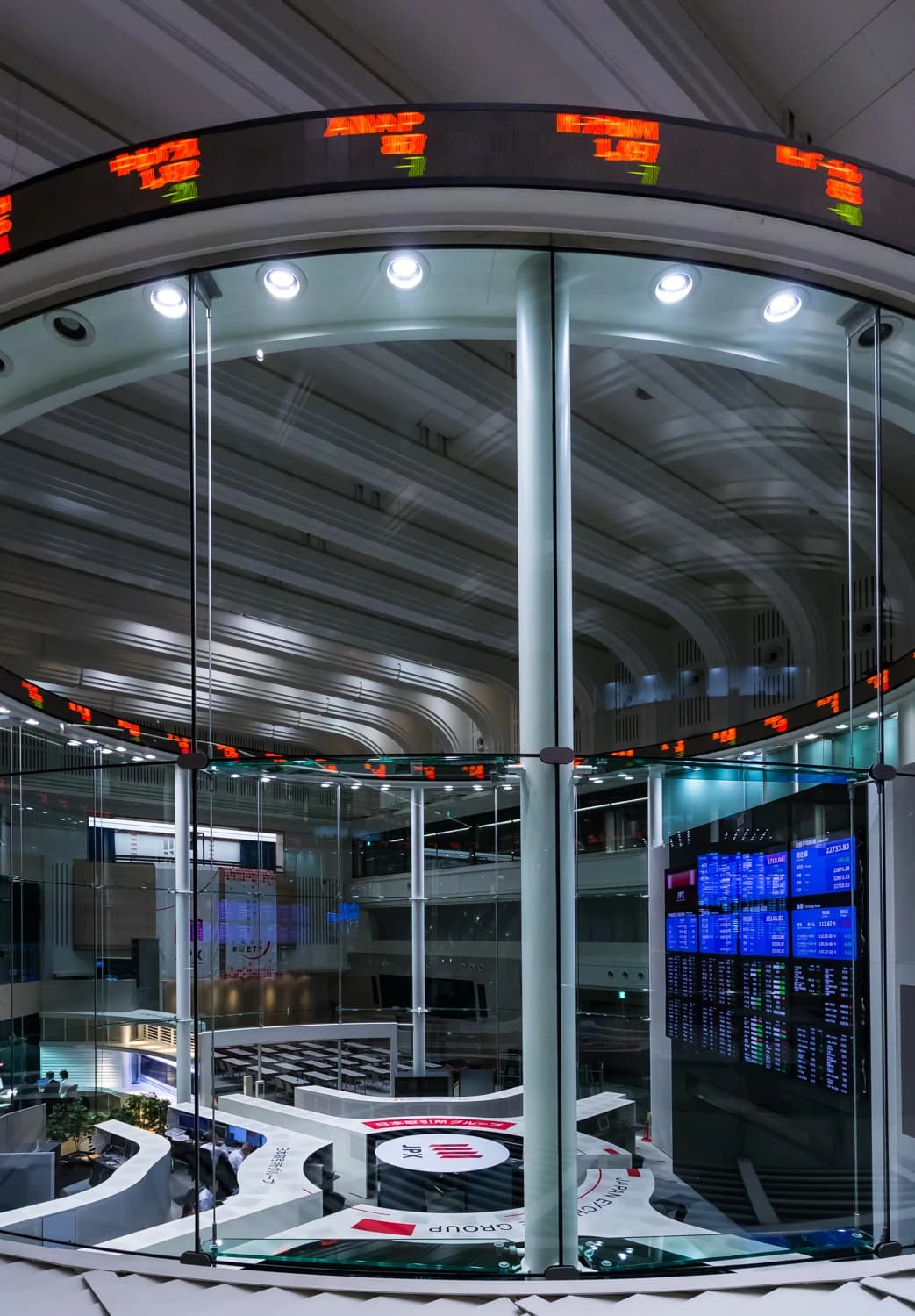
Asian equities sold off sharply as the market’s most crowded growth trades came under pressure, with Japan’s Nikkei, South Korea’s KOSPI and Taiwan shares all hit by a wave of risk aversion that is spilling across global markets. The pullback matters because it is not just a regional move: it exposes how dependent Asia’s benchmark indexes have become on semiconductors, AI hardware and export-led earnings tied to the global tech cycle.
Asia equities fall as chip and AI trades unwind
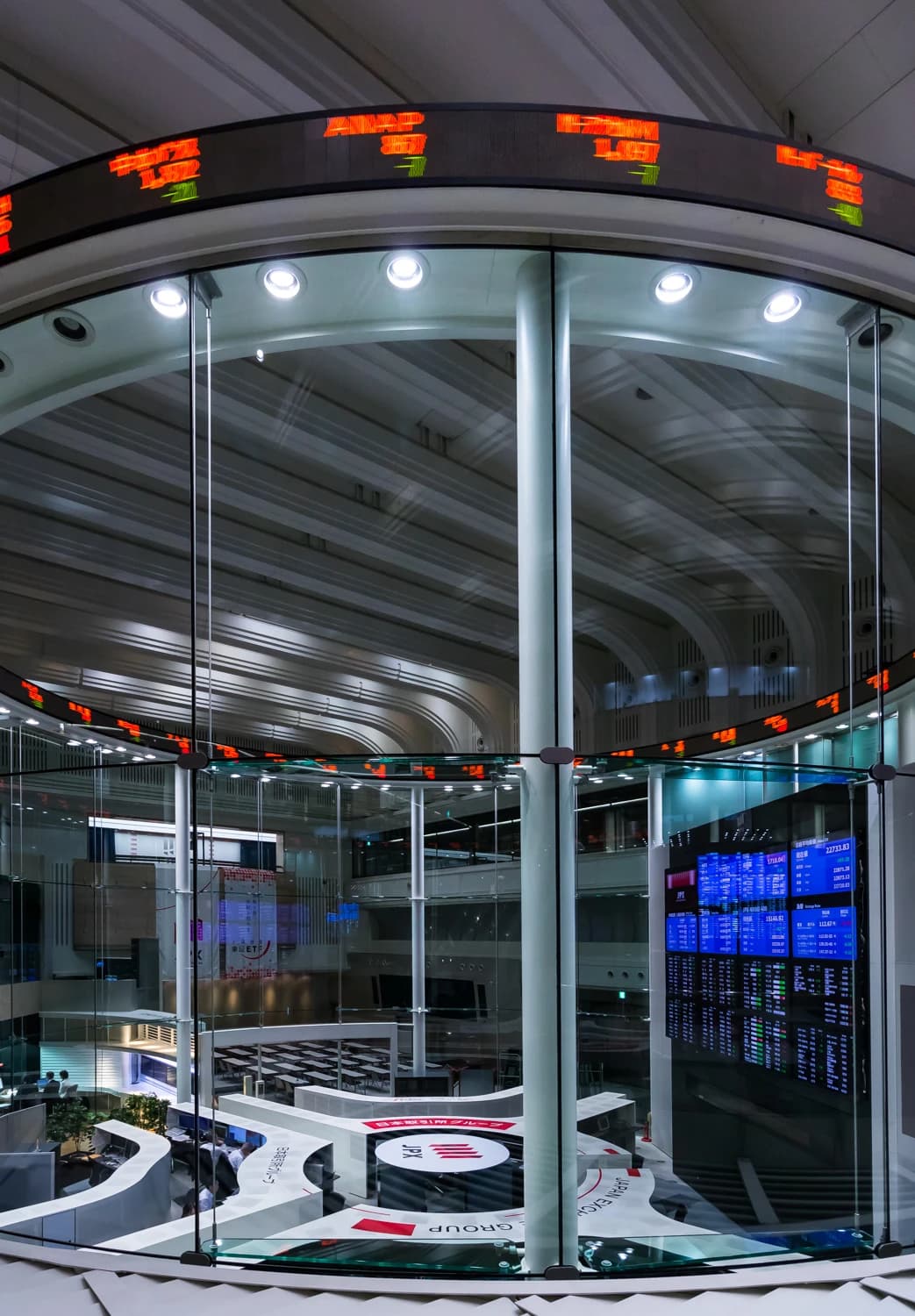
The economic story is straightforward. Investors are re-pricing the cost of capital higher just as they have spent the year betting on an AI investment boom. Rising oil prices and a broad bond-market selloff have tightened financial conditions, while renewed concern over recession risk has pushed traders toward cash and away from cyclical and high-beta names. That combination is toxic for Asia, where equity performance is heavily leveraged to chip demand, capital spending and global trade.
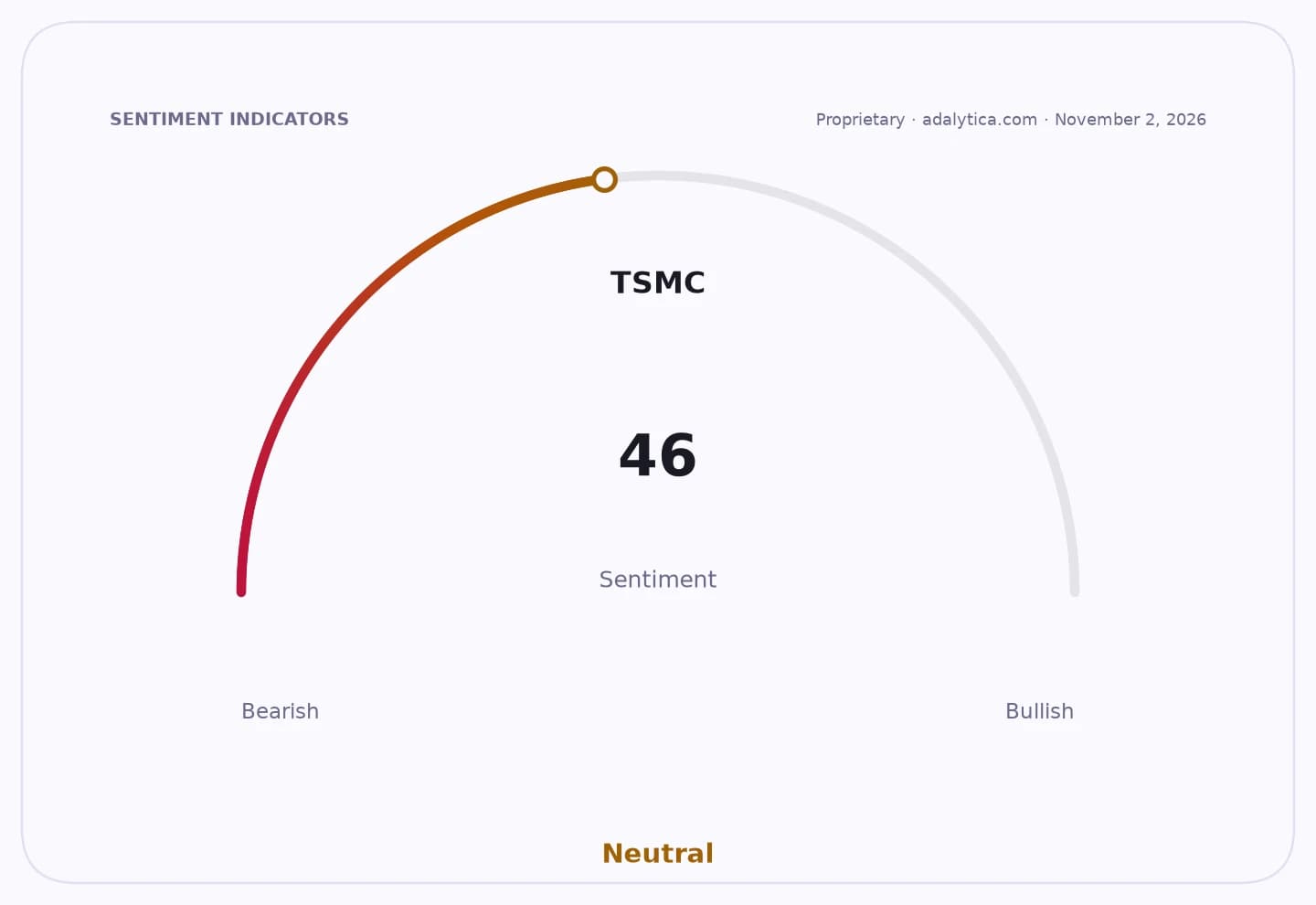
Sentiment Indicators

Japan, South Korea and Taiwan sit at the center of that trade. Their markets are loaded with companies that either make the components powering AI servers or supply the industrial ecosystem behind them. When the market questions the durability of the AI capex cycle, these indexes feel the impact first and hardest. The selloff also hits local currencies and earnings expectations, because a weaker risk backdrop tends to lift the U.S. dollar and make foreign capital more cautious on Asian exposures.
The move is showing up clearly in exchange-traded funds tracking the region. EWJ, the Japan ETF, closed at $90.39 on the latest reading, still above its 200-day moving average of $91.78 but below its 50-day average of $95.92, with an RSI of 34 that points to a market that is oversold but not yet broken. EWY, the South Korea fund, has been hit far harder: it closed at $139.18 versus a 50-day average of $170.45 and a 200-day average of $163.7, while RSI stood at 38.8. EWT, tracking Taiwan, fell to $94.68 from a 50-day average of $108.54, with RSI at 33.6. In technical terms, these are markets under sustained selling pressure, not just a one-day flush.
Safe Haven Demand
That matters for investors because Asia is the global barometer for the semiconductor and electronics cycle. If the selloff deepens, it can become self-reinforcing: falling chip shares weaken sentiment, which pressures supplier stocks, which then tightens financial conditions for the very companies driving the AI buildout. The market is already signaling stress. Adalytica’s U.S. dollar trade signals show extreme greed on the dollar, while safe-haven sentiment has deteriorated into fear, a mix that typically appears when investors are rushing to de-risk rather than seek yield.
The counterargument is that this may be more of a valuation reset than a fundamental collapse. The AI trade remains supported by actual earnings growth and massive capex plans, and some Wall Street strategists argue the market has overreacted to regulatory noise and recession chatter. But for now, price action is in charge. The market is not asking whether AI is a secular theme anymore; it is asking how much capital spending can absorb before margins, multiples and export earnings start to crack.
For investors, the best response is not to abandon Asia, but to position for dispersion. The immediate losers are the high-multiple chip and hardware names that depend on uninterrupted capex momentum. The longer-term winners may be the infrastructure and currency beneficiaries that gain from a stronger dollar, tighter conditions and a rotation into defensives. If this selloff extends, it could create the next entry point in Asia’s AI supply chain — but only after the market finishes de-rating the froth.
| Entity | Gains | Losses |
|---|---|---|
| U.S. dollar | ▲Safe-haven bid | ▼Asian export sentiment |
| Japan/Korea/Taiwan chip exporters | ▲Valuation reset buyers | ▼Near-term earnings multiples |
| AI infrastructure builders | ▲Long-term capex demand | ▼Momentum traders |
| Defensive sectors | ▲Relative outperformance | ▼Cyclical growth stocks |