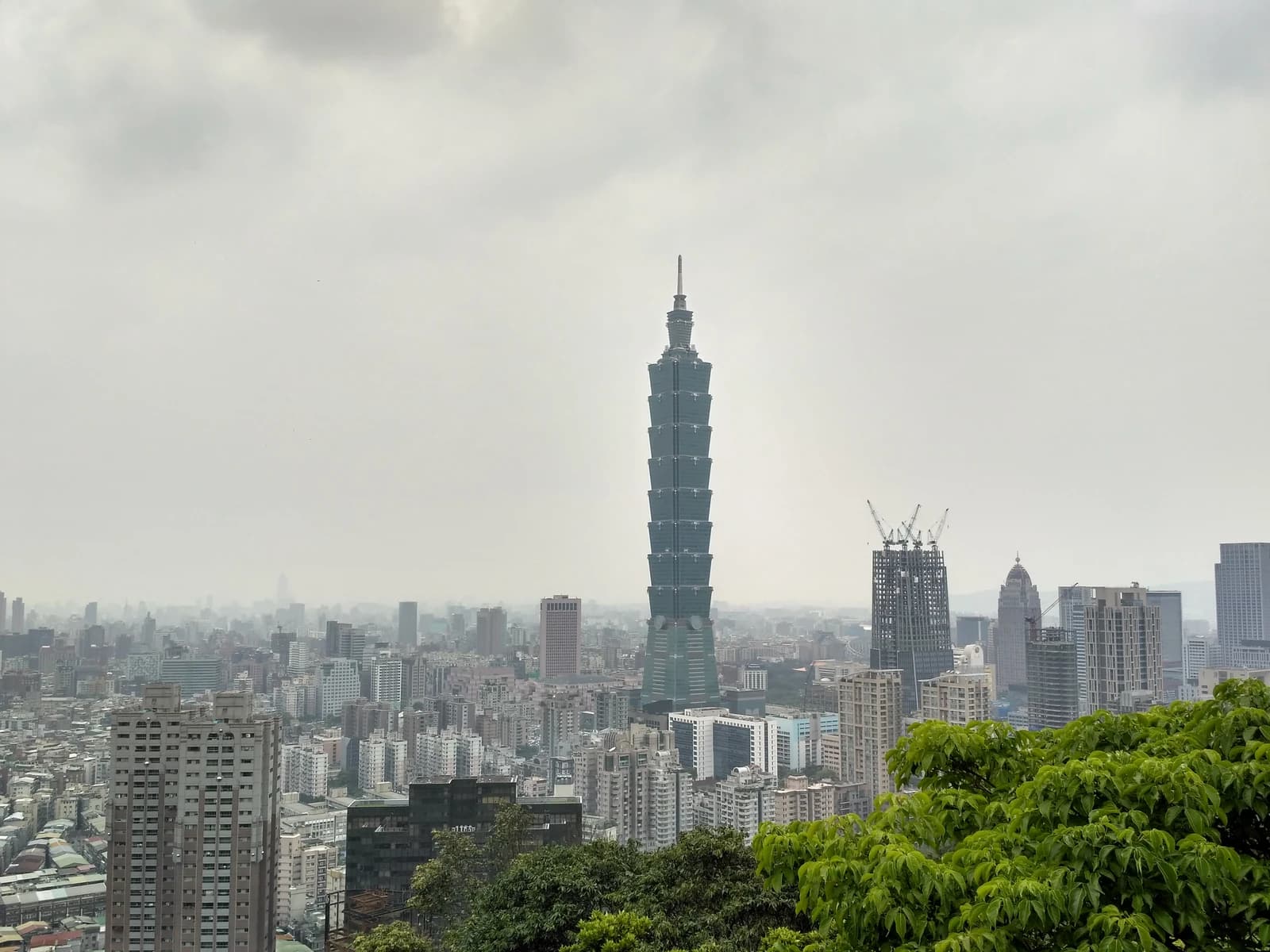
Taiwan is heading for its worst weekly drop since 1999 as a violent unwind in the AI trade ripples through Asia, hammering the region’s most exposed chip names and forcing investors to reassess how much upside is left after an explosive run.
Taiwan AI Stocks Fall as Semiconductor Selloff Deepens
That matters because the AI boom has been one of the market’s most powerful capital allocators this year, pulling money into semiconductor makers, foundries and equipment suppliers across Taiwan, South Korea and the broader regional supply chain. When that trade reverses, it does not just hit a few over-owned stocks; it threatens the earnings multiple expansion that has powered indices, ETFs and pension flows tied to the AI buildout.
Sentiment Indicators
Artificial Intelligence
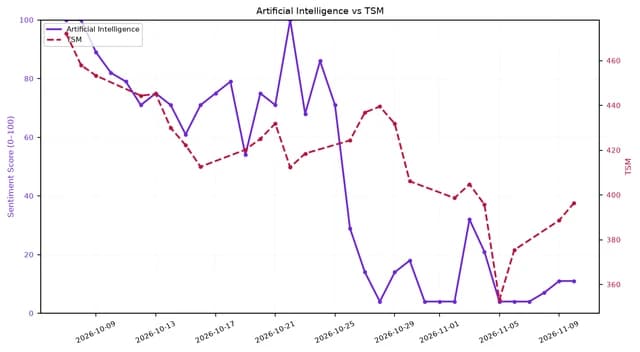
Taiwan Semiconductor Manufacturing Co. is at the center of that unwind. TSMC’s U.S.-listed shares have fallen to 396.48 from 476.29 in late June, while the 50-day moving average has slipped to 430.46, a sign the stock has lost momentum even as it remains above its 200-day moving average. Nvidia, the emblem of the AI capex boom, has been hit harder: the stock closed at 168.89 on Tuesday after peaking above 235 in May, with its relative strength index sinking to 19.3, a deeply oversold reading. The Philadelphia Semiconductor Index is also under pressure, down to 146.59 from 168.77 in early May, showing that this is no isolated stock-specific correction.
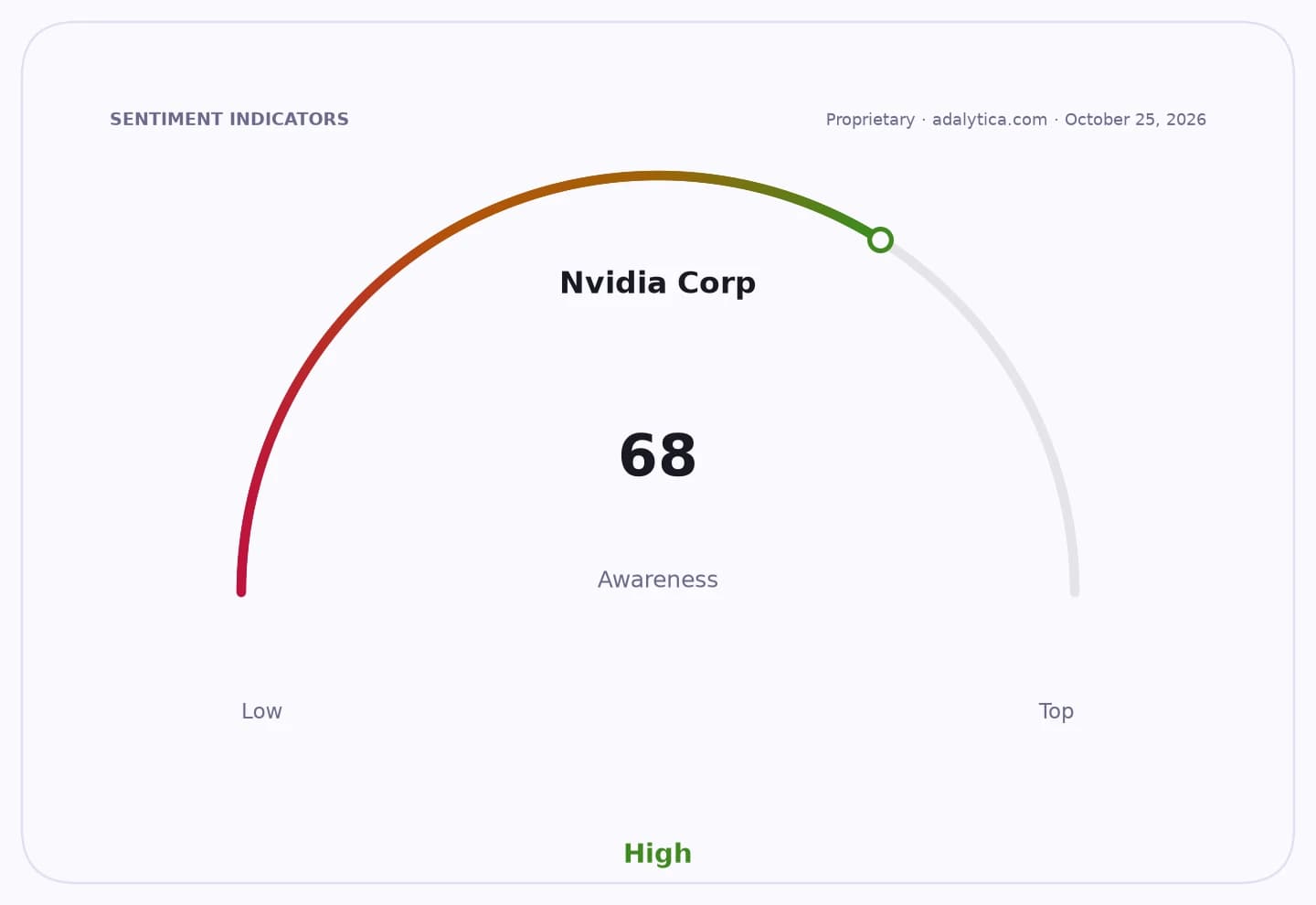
The immediate catalyst is an AI positioning reset, not a collapse in demand. But the market is behaving as if the fastest money in the theme is heading for the exits. Adalytica’s AI sentiment gauge is in “Extreme Fear,” with sentiment at 11 and awareness at just 4, down 59 points over the past month. Nvidia’s own sentiment snapshot is even worse, also in “Extreme Fear,” even as awareness remains “Extreme Greed,” a combination that usually appears when traders are still watching the story but are no longer willing to own it aggressively.
For investors, that is where the opportunity starts to separate from the damage. The first-order losers are the crowded AI beneficiaries that had already priced in perfection. The second-order winners may be the companies that sell the picks and shovels for the next leg of the buildout, once panic selling gives way to valuation discipline. Semiconductor leaders with durable free cash flow, dominant foundry positions and structural exposure to AI infrastructure are unlikely to lose relevance because of a week of forced de-risking.
What matters now is whether this is a healthy cleansing of excess or the start of a broader de-rating in Asia’s AI complex. If global funds keep cutting exposure, Taiwan’s benchmark could remain under pressure despite the long-term secular demand story. But if the selloff is driven mainly by crowded positioning, the damage may create the kind of entry point long-term investors rarely get in the most important supply chain of the AI era. For patient capital, the message is simple: respect the unwind, but do not mistake it for the end of the trade.
| Entity | Gains | Losses |
|---|---|---|
| Cash-heavy long-term investors | ▲Lower entry points | ▼Short-term volatility |
| Taiwan AI exporters | ▲Secular demand tailwind | ▼Near-term multiple compression |
| Nvidia and crowded AI longs | ▲— | ▼Position unwind |
| Semiconductor bears / short sellers | ▲Momentum downside | ▼Risk of sharp rebound |