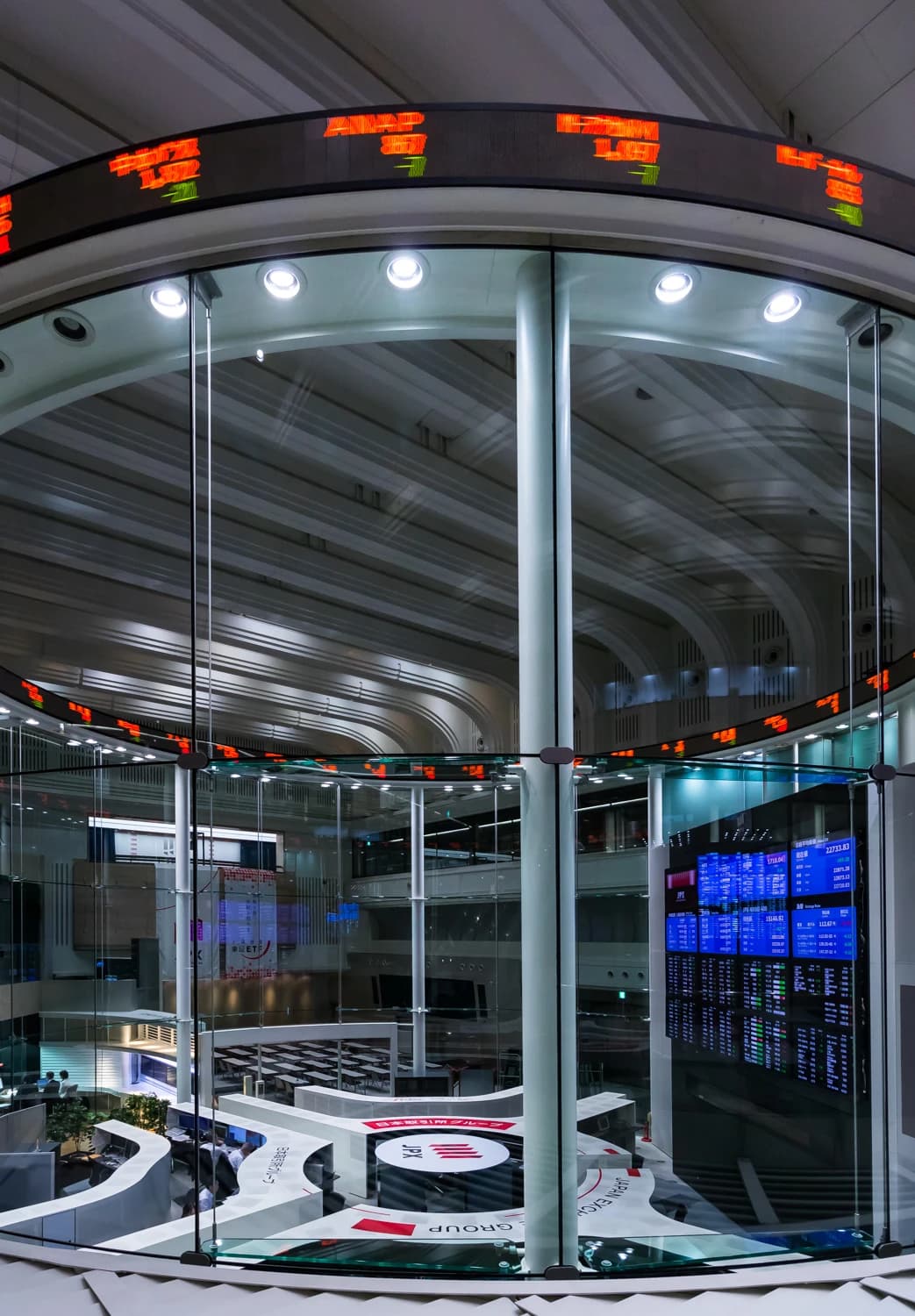
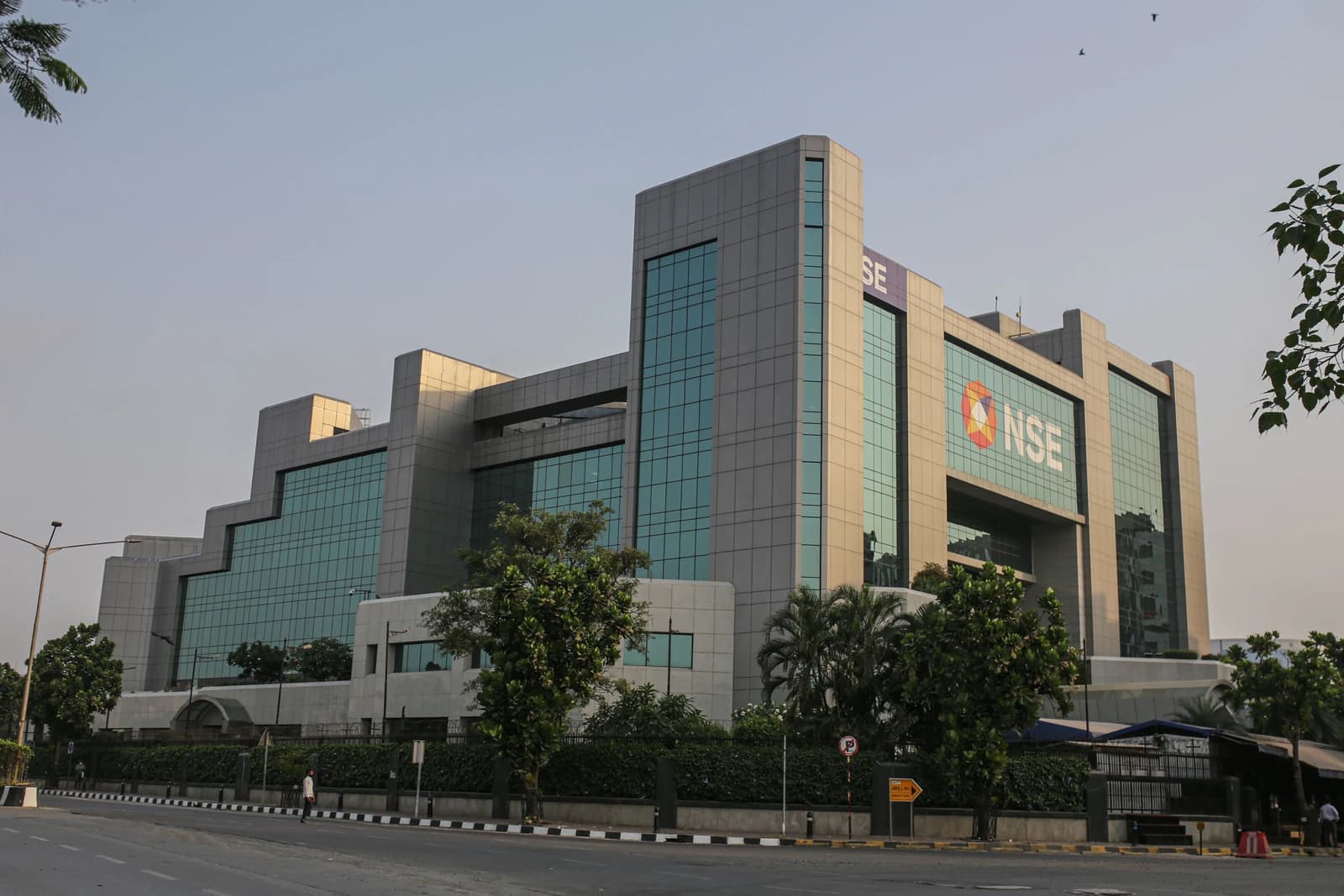
Global equities split sharply last week as investors pulled back from the AI trade, sending South Korea’s Kospi down 11.7% while India’s benchmark surged nearly 9%, a divergence that shows capital is now rewarding markets tied to domestic demand and punishing those most exposed to semiconductors and data-center capex.
India Banks Rise as Korea AI Stocks Fall
That matters because the selloff was not a broad panic, but a repricing of the most crowded part of the market. Wall Street’s tech weakness — with the Nasdaq falling 3.4% for the week and the Philadelphia Semiconductor Index dropping more than 12% in one session — spread quickly into Japan and South Korea, where chipmakers and AI infrastructure names dominate index performance. In Korea, Samsung Electronics and SK Hynix bore the brunt of the move, while the Kospi at one point plunged as much as 8.8% intraday, forcing a 20-minute trading halt.
Sentiment Indicators
For investors, the message is simple: the market is starting to distinguish between the winners of the AI buildout and the businesses that must fund it. The 50-day moving average and other conventional technical indicators on Korea-linked U.S. ETF EWY show the fund still well below its longer-term trend after the rout, even after a bounce late in the week. That is a warning that the damage to sentiment is deeper than a one-day headline drop.
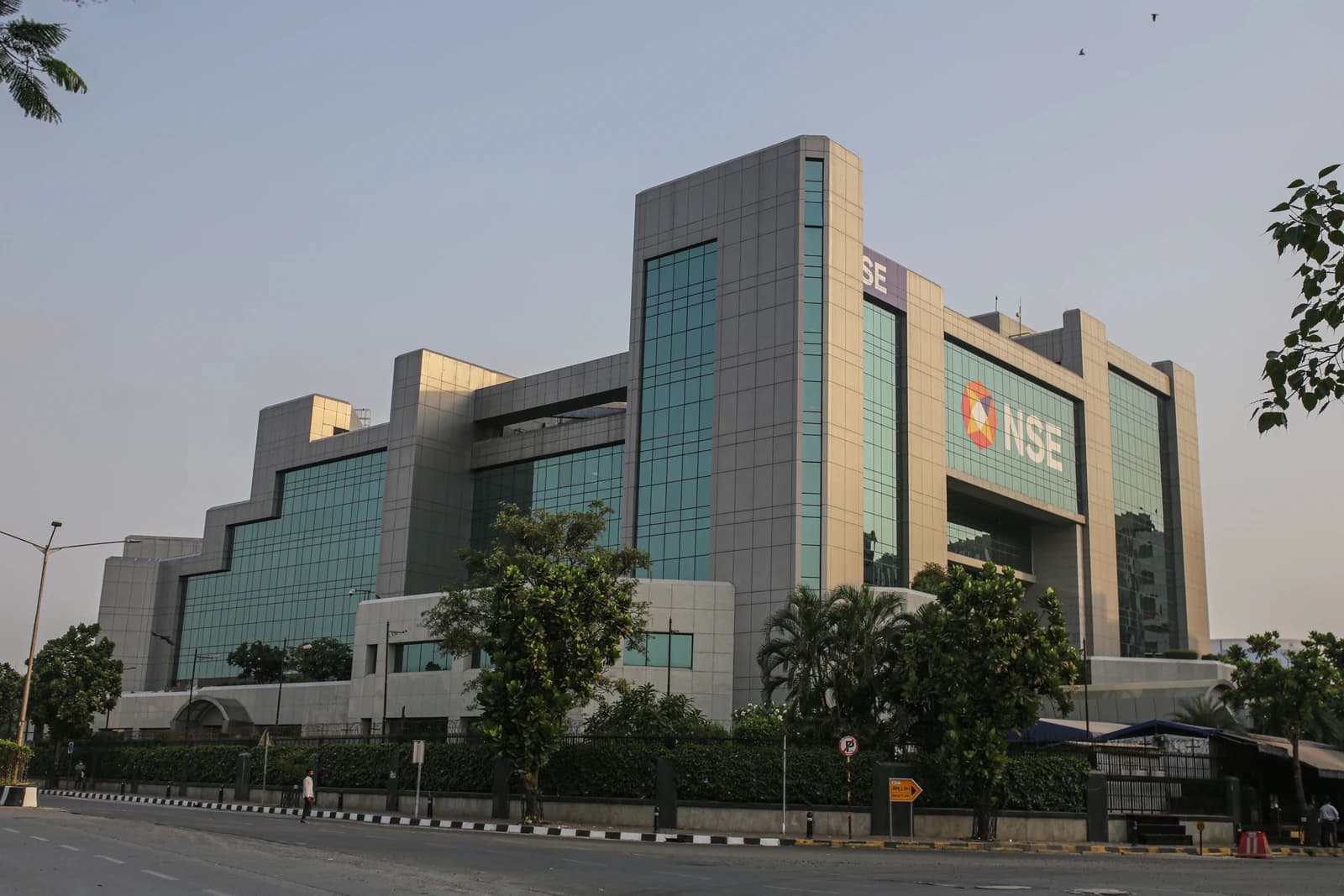
India, by contrast, is drawing money for the opposite reason. The Nifty 50 and Sensex posted their strongest weekly gains since February 2021, helped by falling oil prices, renewed foreign inflows and a rebound in banks and financials. Foreign investors bought roughly 150 billion rupees, or $1.6 billion, on Nov. 5 alone, the biggest single-day net purchase in nearly six years. HDFC Bank and ICICI Bank both jumped more than 12% for the week, while Reliance Industries rose 13.3% after solid earnings.
That’s the investable narrative the market is missing: this is not just a tech correction, it is a capital rotation. The countries with heavy semiconductor exposure are now vulnerable to any reassessment of AI returns, higher funding costs or softer global risk appetite. Markets with stronger domestic earnings engines, lighter tech weights and more visible policy support are absorbing the money.
Europe’s smaller decline reinforces the point. With less index concentration in high-multiple tech, the STOXX 600 and FTSE 100 were more resilient even as global risk assets wobbled. China and Hong Kong also gained on the week, showing that investors are still willing to buy select markets — just not blindly buy the AI complex at any price.
The next catalyst is clear: U.S. rates, chip earnings and any fresh read on AI spending plans. If borrowing costs stay elevated and investors continue to question the payback period on data-center expansion, the market could keep rotating out of hardware-heavy Asia and into domestic-demand markets such as India. For positioning, I would favor beneficiaries of the rotation — Indian banks, financials and consumption-linked names — while staying cautious on the AI hardware trade until valuations and capex discipline reset.
| Entity | Gains | Losses |
|---|---|---|
| India banks/financials | ▲Foreign inflows; earnings momentum | ▼Less exposed to AI selloff |
| Korea chipmakers | ▲None | ▼AI capex repricing; heavy index drag |
| Japan exporters | ▲Select currency support | ▼Semiconductor-led market slump |
| Domestic-demand markets | ▲Rotation inflows | ▼Less if global tech rebounds |