India’s Nifty 50 opened lower on Friday as a violent selloff in U.S. technology stocks rattled global risk appetite and dragged Asian equities into a broad correction, with domestic IT shares among the most exposed.
Nifty 50 Opens Lower After US Tech Selloff
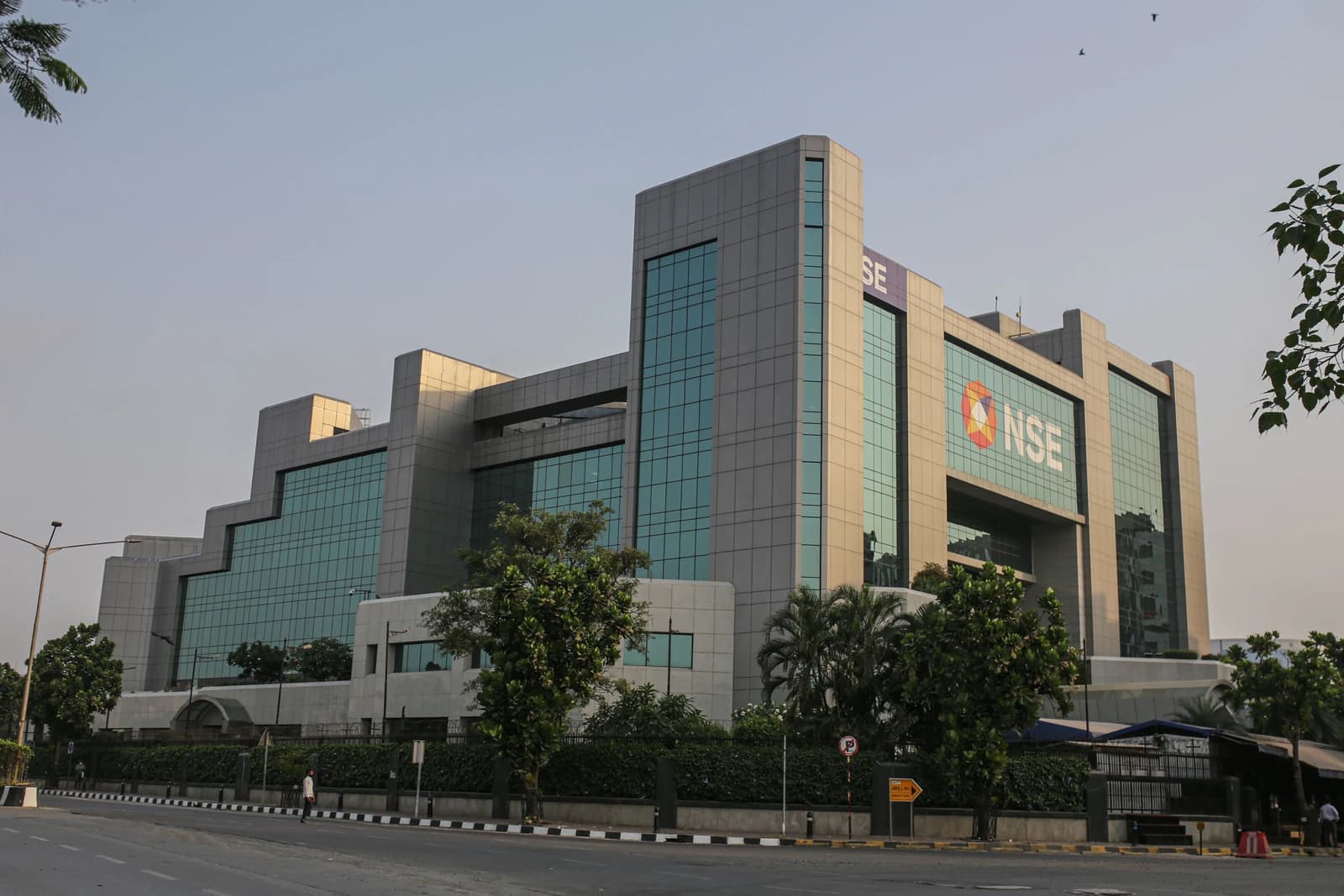
The benchmark opened at 24,538.20 and slipped to 24,484.95, down 51.65 points, or 0.21%, while the Sensex was little changed in early trade after a sharply stronger previous session. The gap-down start followed a steep overnight drop on Wall Street, where the Nasdaq fell 5.52%, the S&P 500 lost 4.36% and the Dow Jones Industrial Average shed 3.45%, wiping out nearly ₹1.3 trillion in market value within 30 minutes of the U.S. open.
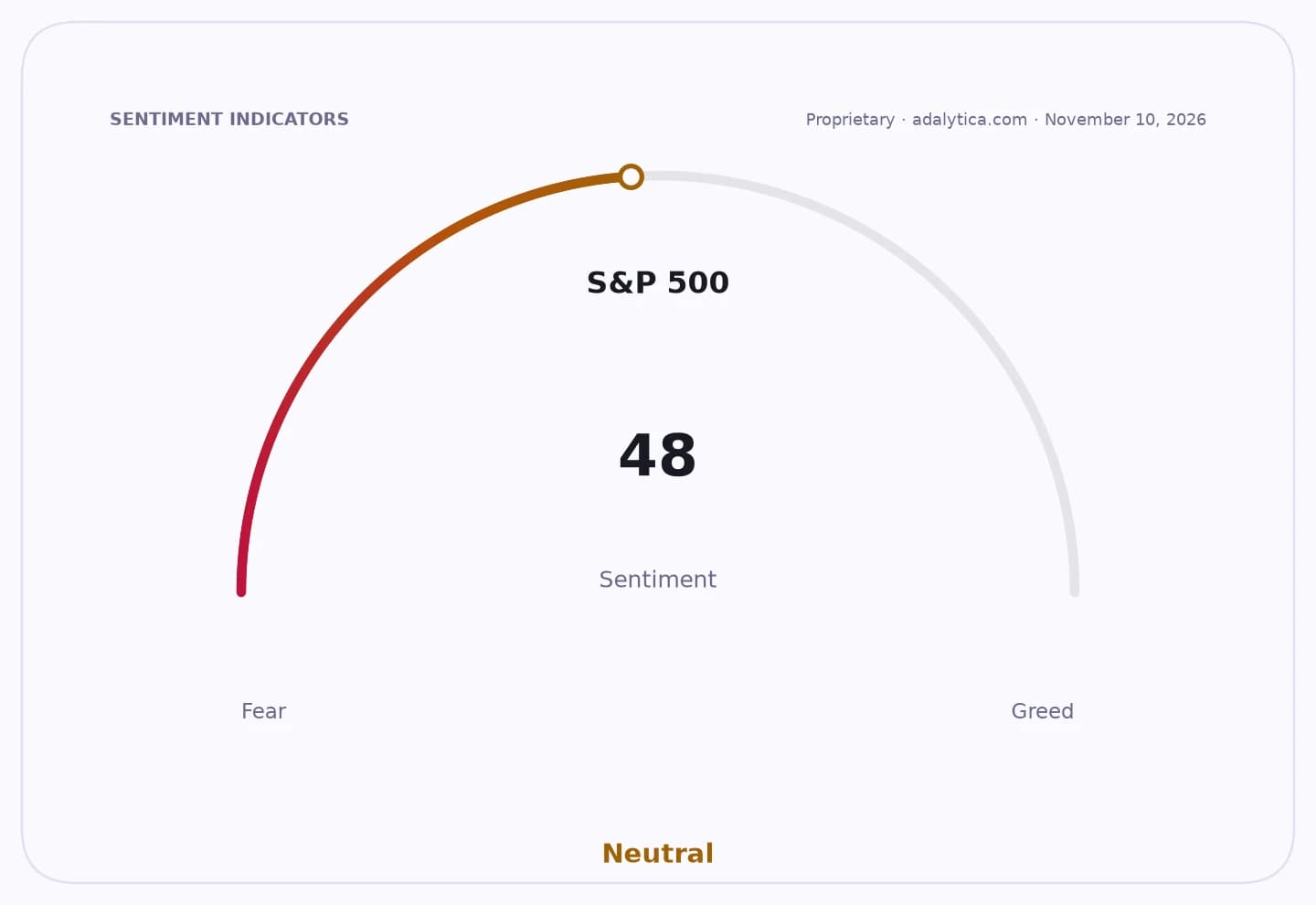
Sentiment Indicators
The trigger was a tech-led rout centered on AI and data-center names, with investors worried that tighter regulation of AI infrastructure and slower spending could hit the sector’s most richly valued stocks. SanDisk fell 15%, AMD dropped 12% and Tesla slid 10%, while Nvidia, TSMC and Broadcom also came under heavy pressure. The selloff rippled through Asia, where Japan’s Nikkei 225 dropped about 5.9%, South Korea’s Kospi plunged more than 8.5% and Taiwan’s benchmark lost 7.5%.
For India, the immediate market impact is twofold: a hit to export-oriented IT sentiment and a test of whether domestic buying can offset offshore risk aversion. Nifty IT heavyweights had helped drive Thursday’s rally, with TCS, Infosys and HCL Technologies posting gains, but Friday’s open showed that foreign shocks can still overwhelm local momentum even after six straight Nifty gains.
Technical readings also show the index is stretched after the recent run-up. The Nifty’s relative strength index stood at 78.1 in the previous session, a sign of overbought conditions, while the index has already moved well above its 50-day and 200-day moving averages. Traders now see support around 24,300-24,350 and resistance near 24,700-24,800.
Foreign investors remain a key support for the market, having bought equities for five straight sessions, including ₹14,975 crore on November 5 alone, but domestic institutions were net sellers in the latest session. That leaves the near-term tape vulnerable to more volatility if the U.S. technology correction deepens or if investors continue to unwind crowded AI trades.
For now, India is likely to trade as a relative haven rather than a full decoupling story, but Friday’s open shows it is not immune to a global de-risking wave that is hitting the most index-heavy technology names first.
| Entity | Gains | Losses |
|---|---|---|
| Indian financials and autos | ▲Relative resilience | ▼Risk-off spillover pressure |
| Nifty IT stocks | ▲Defensive appeal if global panic fades | ▼Direct hit from U.S. tech rout |
| FII buyers | ▲Opportunity to add on dips | ▼Higher volatility and crowded exits |
| U.S. AI and chip stocks | ▲Potential long-term value reset | ▼Sharp near-term valuation compression |