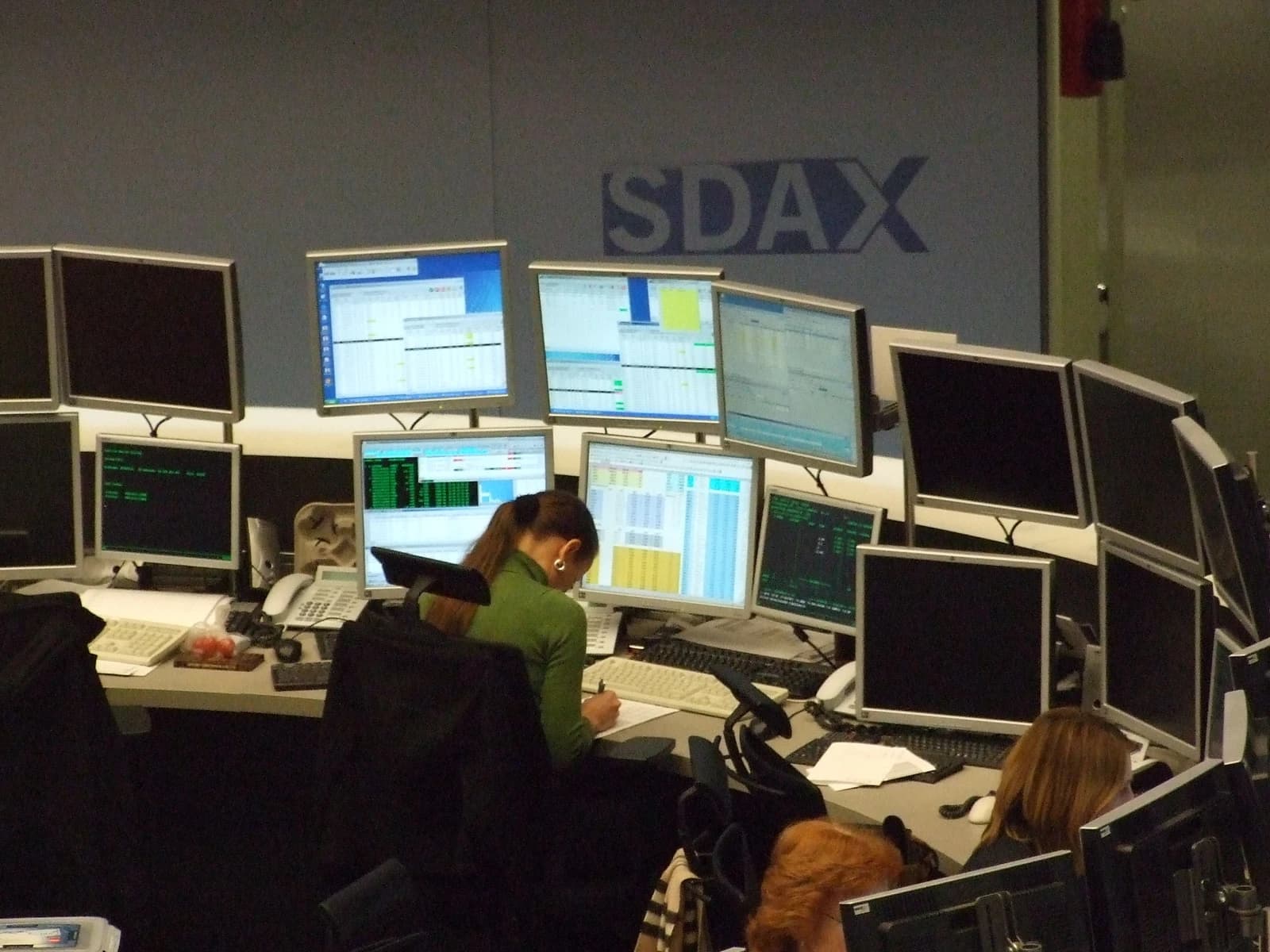
Asian stocks slump after a sharp U.S. tech rout ripples through global markets, with investors dumping semiconductor and AI-linked names on fears the sector’s run-up has gone too far.
Asian stocks fall after U.S. tech selloff
S&P 500
The selloff matters because it threatens one of this year’s most powerful equity themes: the capital-intensive AI buildout that has lifted megacap tech, chipmakers and broader indices from New York to Tokyo. With the Nasdaq 100 futures down to 27,650.5 and still trading well below the 50-day average of 29,723.16, the move points to a shift in appetite for high-growth stocks that have carried much of the market’s gains.
Sentiment Indicators
Japan was hit especially hard. The EWJ ETF slipped to 90.13, far below its 50-day average of 95.92, as traders sold exporters and technology names tied to the global AI supply chain. In the U.S., the SPY ETF closed at 747.3, also under its 50-day average of 764.5, while the S&P 500 trade-signal snapshot from Adalytica showed sentiment at 48, or neutral, even as awareness remained at 96, labeled extreme greed, underscoring how crowded the market has become.
The move came alongside a broader tightening in financial conditions. The 10-year Treasury yield stood at 4.9%, the two-year at 4.58%, leaving the 10-year/2-year spread at 0.32 percentage point and suggesting the market is still pricing restrictive policy even as growth stocks wobble. A firmer dollar, with Adalytica’s dollar signal at 88 and in extreme greed territory, adds another headwind for Asian equities and exporters.
Technical damage is already visible. The Nasdaq 100 futures’ relative strength index sits at 34.3, near oversold levels, while SPY’s RSI is 39.2. Both sit below their 50-day moving averages, suggesting the latest drop is part of a broader de-risking rather than an isolated one-day move.
Investors will now be watching whether the AI unwind spreads into earnings expectations for chipmakers, cloud providers and Asian suppliers, or whether bargain hunters step in after the steepest part of the pullback. The next catalyst is likely to come from U.S. macro data, Federal Reserve expectations and any further signals that the AI trade is losing momentum.
| Entity | Gains | Losses |
|---|---|---|
| Cash and defensive sectors | ▲Lower valuation risk | ▼Momentum-chasing tech holders |
| U.S. dollar | ▲Safe-haven demand | ▼Asian exporters |
| Treasury market | ▲Flight-to-quality bids | ▼Growth stocks |
| Japan tech and AI names | ▲None | ▼Heavy index exposure |