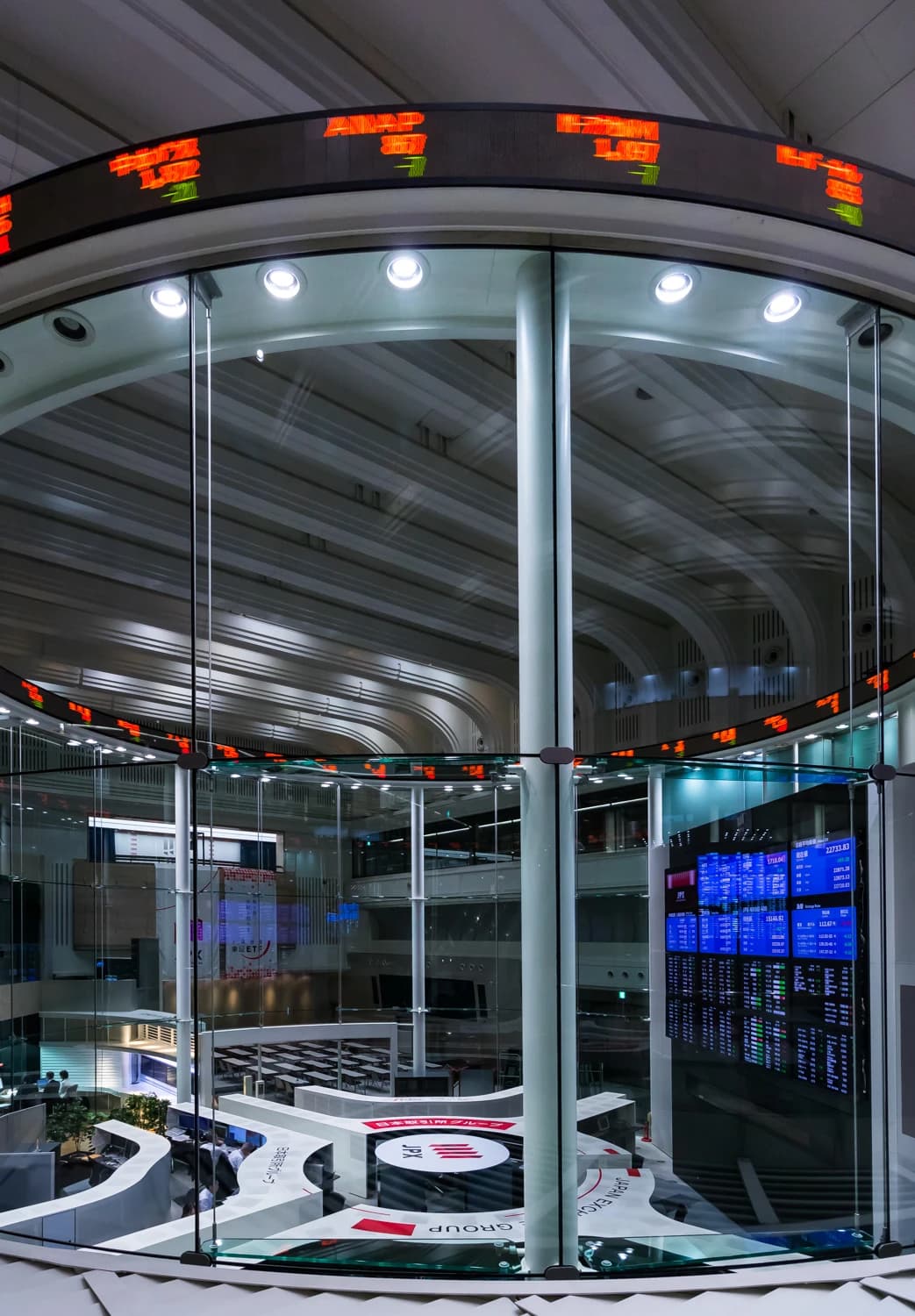
Tokyo shares fell sharply as investors dumped technology and semiconductor stocks on mounting doubts over the profitability of AI spending, with the Nikkei 225 closing down 2.65% at 62,907.84.
Nikkei 225 falls 2.65% on tech and AI doubts
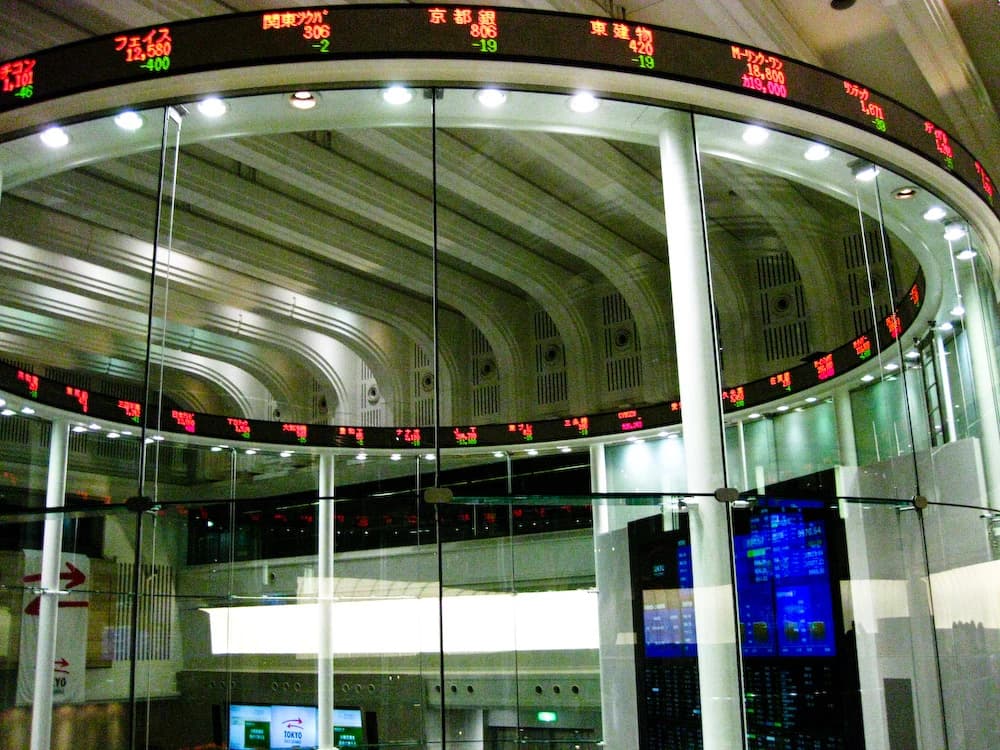
The decline matters because Japan’s benchmark is heavily weighted toward chip-related names, making it especially vulnerable when global investors question whether the billions flowing into AI infrastructure will translate into enough earnings growth. The selloff also showed how quickly Tokyo’s market can be pulled into a broader global de-risking move when U.S. yields rise and commodity prices heat up inflation fears.
Sentiment IndicatorsⓘProprietary · adalytica.com · October 28, 2026
This is a snapshot — live sentiment, awareness and momentum for 130+ markets update continuously in the dashboard.Open AlphaPulse
SoftBank Group, Tokyo Electron and Advantest were among the biggest drags as traders reassessed the payoff from AI-related capital expenditure and data-center buildouts. The pressure came despite solid results from some major U.S. companies, underscoring that strong earnings alone are not enough to calm a market focused on valuation risk and the cost of funding growth.
Brent crude’s move above $110 a barrel added to the unease by reviving inflation concerns tied to persistent geopolitical tensions, while elevated U.S. Treasury yields further reduced appetite for risk assets. That combination is especially damaging for high-multiple tech shares, which depend on lower discount rates and sustained growth expectations.
From a technical perspective, the Nikkei’s drop extends a sharp reversal from recent highs and leaves the index well below its 50-day moving average, while the relative strength index points to a deeply oversold market. Investors will now watch whether buying returns in chip stocks or whether the combination of AI skepticism, inflation pressure and higher yields triggers a broader reset in Tokyo equities.
| Entity | Gains | Losses |
|---|---|---|
| Cash, defensive sectors | ▲Relative safety demand | ▼Less capital inflow |
| Japanese tech stocks | ▲None | ▼Valuation de-rating |
| Oil producers | ▲Higher crude prices | ▼N/A |
| Bond markets / higher yields | ▲Tighter financial conditions | ▼Risk assets |