A sharp sell-off in U.S. AI leaders is not automatically bad news for Indian IT companies — and in the long run, it may even strengthen the case for selective buyers in the sector.
Indian IT May Benefit From U.S. AI Sell-Off

That is the real takeaway for investors trying to read through the latest tech rout on Wall Street. The Nasdaq Composite fell 2.86%, the S&P 500 dropped 1.82% and heavyweight names such as Amazon and Intel came under heavy pressure as doubts resurfaced about whether massive AI spending is producing fast enough returns. But for Indian IT services firms, the link is not as simple as “U.S. tech down, India IT down.” What matters more is whether corporate technology budgets keep rising, and whether Indian vendors can reposition themselves as the firms that help clients actually deploy, manage and monetize AI.
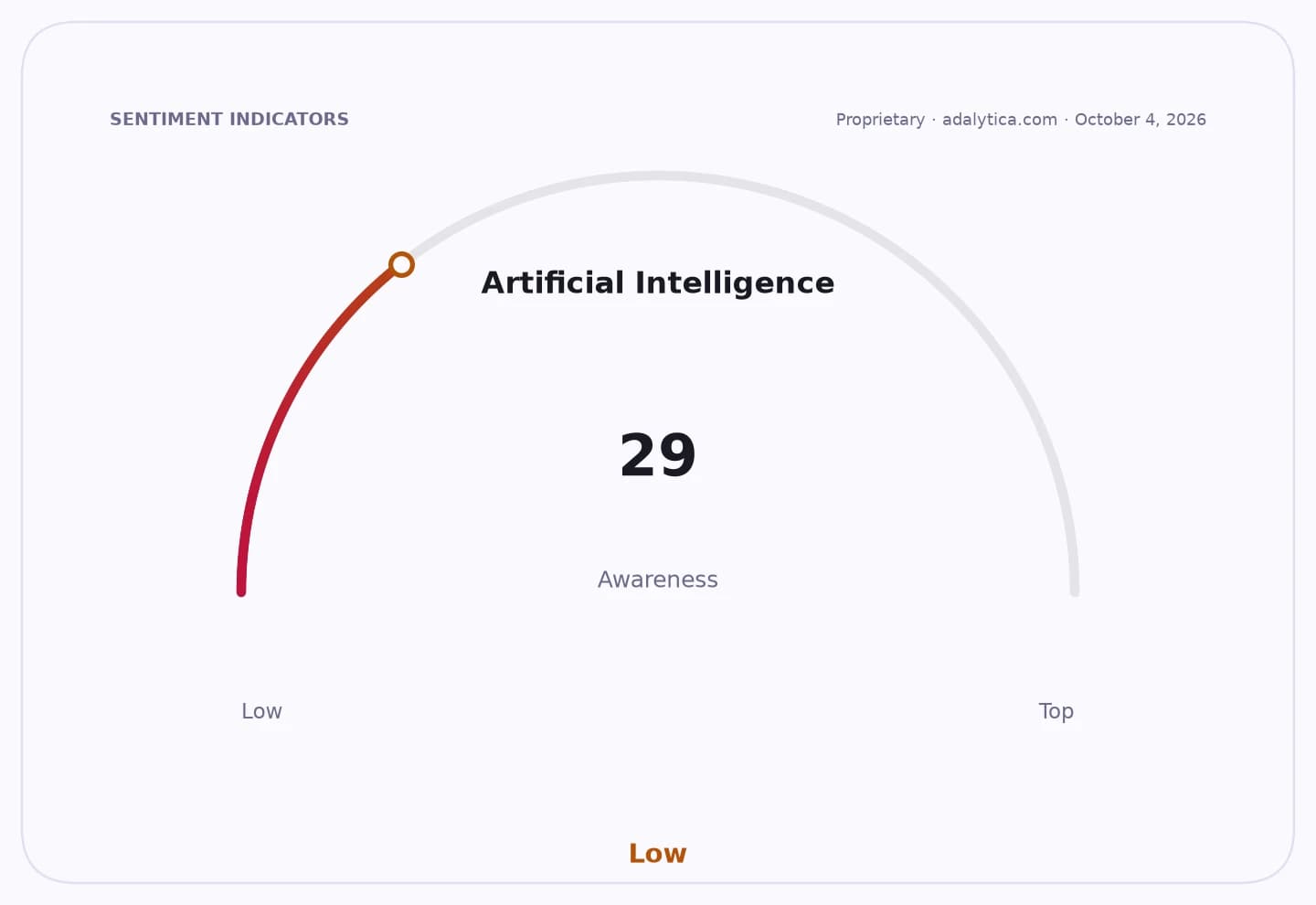
Sentiment Indicators
Artificial Intelligence
That distinction matters economically because Indian IT is still tied to U.S. enterprise spending. When American customers cut back, Indian vendors feel it in deal flow, pricing and renewal cycles. But an AI correction can also force clients to get more disciplined about how they spend, which may shift money away from pure hype and toward implementation, modernization, data engineering and support — areas where traditional IT services companies can still win business.
Some market watchers argue that AI itself could expand the opportunity set for Indian outsourcing firms. Kranthi Bathini of WealthMills Securities says the bigger question is not whether U.S. AI stocks fall, but whether U.S. companies keep increasing IT spending. If they do, Indian firms could benefit from the recurring work needed to make AI practical, from cloud migration to process automation and workforce upskilling. That is the kind of spend that can compound over years, not days.
Still, investors should not assume the trade is automatic. Sumit Pokharna of Kotak Securities said there is not yet enough evidence that foreign institutional money is leaving U.S. tech and rotating into India. That is important because a genuine rerating of Indian IT would likely need both better growth visibility and a clearer valuation case. Lower prices alone do not create a durable investment thesis if earnings growth remains sluggish.
That is why this reset should be viewed through a long-term lens. Large-cap names such as Infosys and Tata Consultancy Services have already seen valuations improve, while the market is increasingly rewarding companies with sharper execution, niche capabilities and stronger exposure to AI-adjacent work. Kotak Securities prefers Tech Mahindra among large caps and Coforge and Persistent Systems in the mid-cap space, a reminder that in a changing technology cycle, differentiation matters more than simple sector exposure.
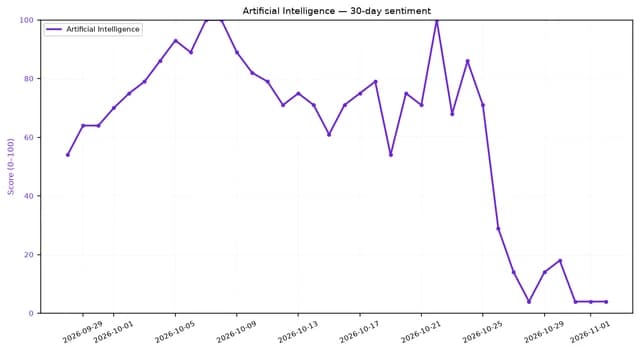
The broader backdrop is not especially friendly to risk assets. U.S. recession odds remain low for now, but inflation pressure and higher oil prices are complicating the outlook, while investors are also reassessing the profitability of the AI buildout itself. That combination can keep volatility high in both U.S. tech and India’s IT names. Microsoft and Nvidia remain under pressure in the latest trading data, with technical indicators showing both stocks well off their highs, underscoring how quickly sentiment can swing when expectations get too stretched.
For investors, the message is straightforward: do not buy Indian IT just because U.S. AI stocks are wobbling. Buy it only if you believe global technology spending will hold up, Indian vendors will adapt to AI rather than be disrupted by it, and earnings growth will eventually catch up with the improved valuations. In a sector built on multi-year contracts and steady cash flow, patience matters more than chasing headlines. The AI reset is worth watching — and for selective long-term investors, it may be a chance to build positions rather than flee them.
| Entity | Gains | Losses |
|---|---|---|
| Indian IT services firms | ▲Selective rerating potential | ▼Slower global tech spending |
| U.S. AI leaders | ▲Discipline on spending | ▼Valuation pressure |
| Enterprise clients | ▲More practical AI investment | ▼Hype-driven capital burn |
| Long-term investors | ▲Better entry points | ▼Near-term volatility |