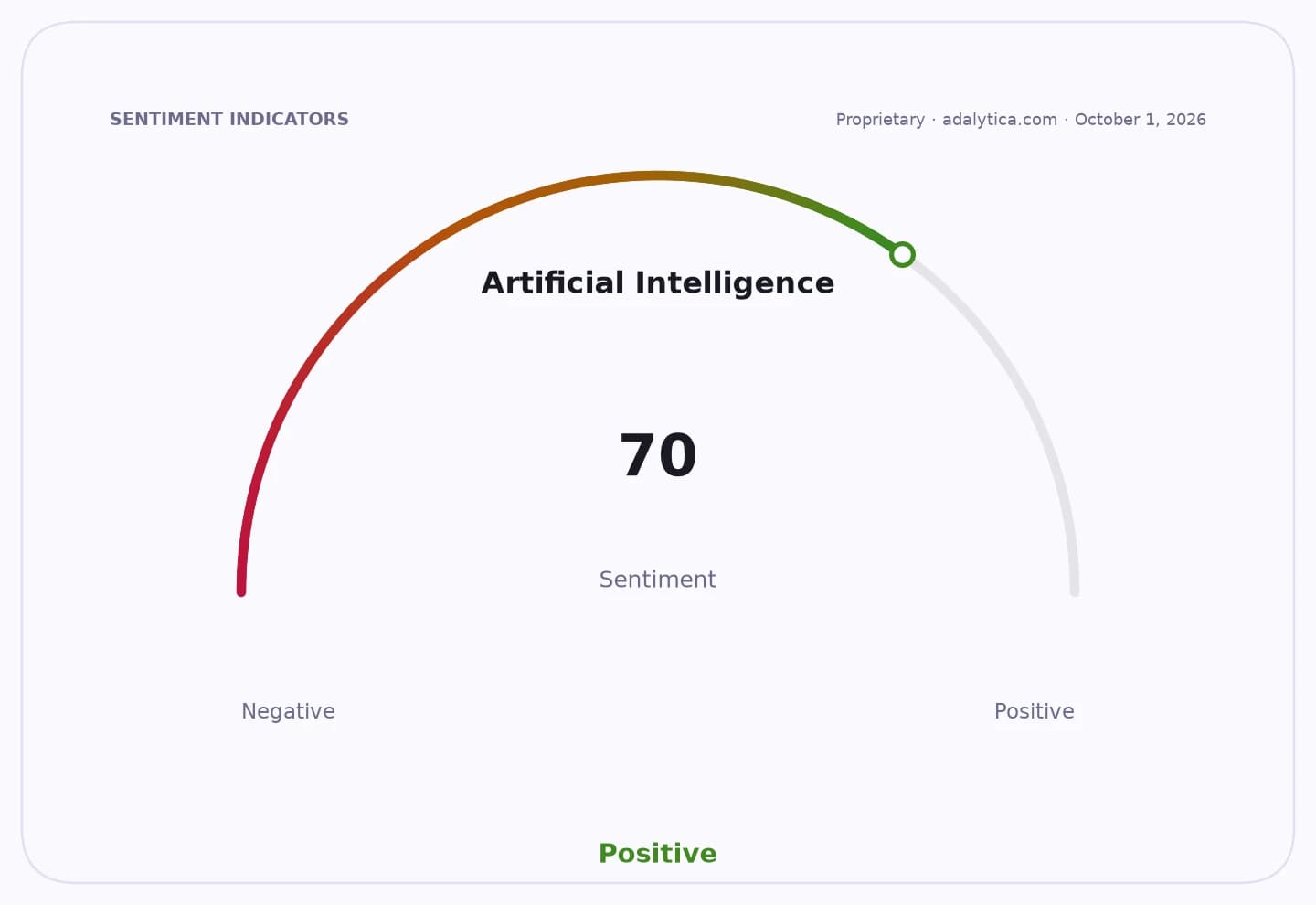
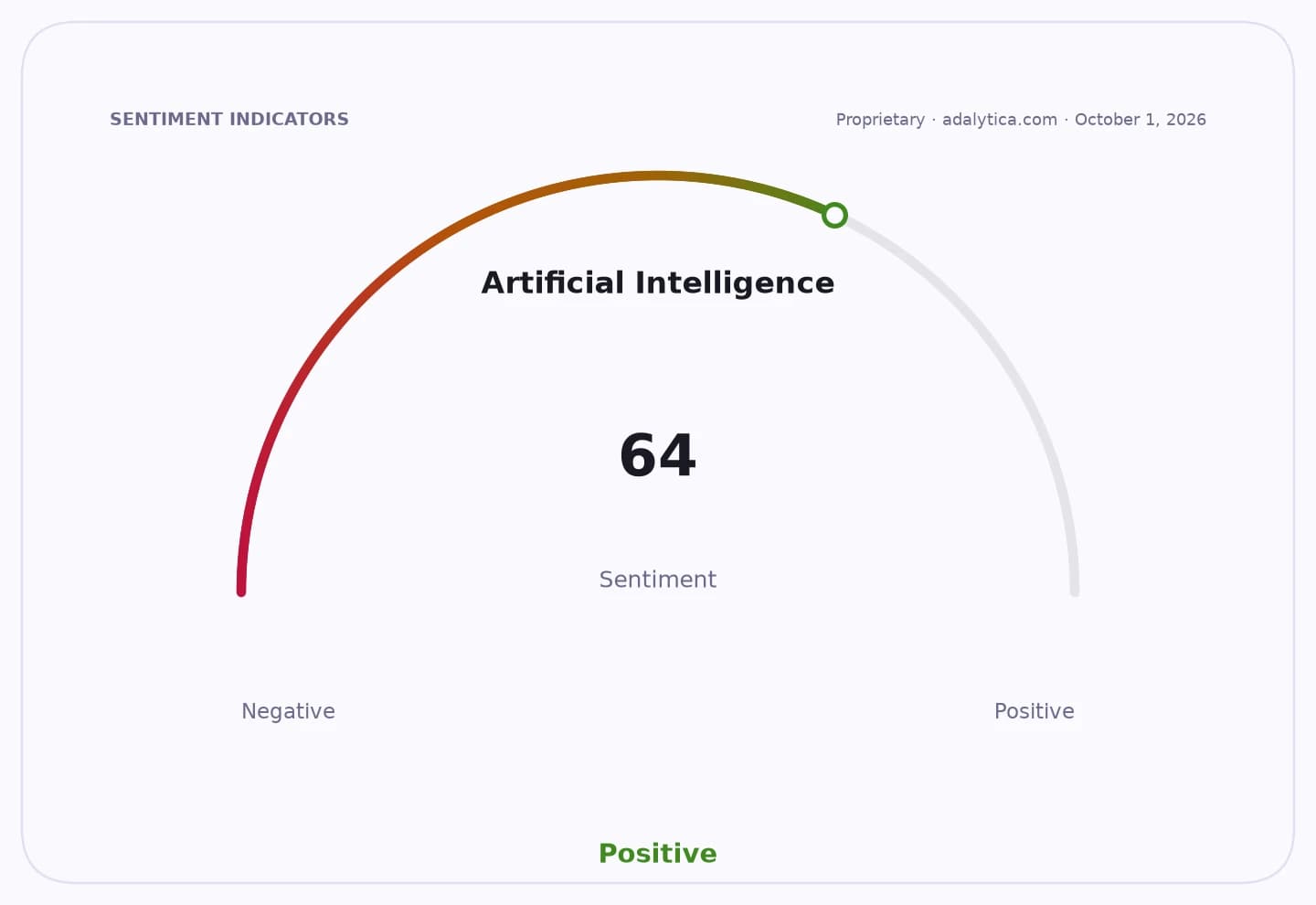
AI is moving into one of India’s oldest underground betting cultures, and that matters because it shows how quickly cheap software can scale a harmful habit into a bigger digital business.
India AI Matka Apps and Grey-Market Gambling
Across Mumbai, Bengaluru, Hyderabad and Pune, developers are using generative AI, low-code tools and predictive analytics to build Kalyan Satta Matka apps that promise “hot numbers,” trend spotting and even simulated draws. The pitch is simple: turn a centuries-old game of luck into something that looks data-driven. The economics are less simple. India’s app economy is enormous, with more than 700 million smartphone users spending hours a day on mobile software, giving these tools a ready audience even when the underlying activity remains illegal or tightly restricted.
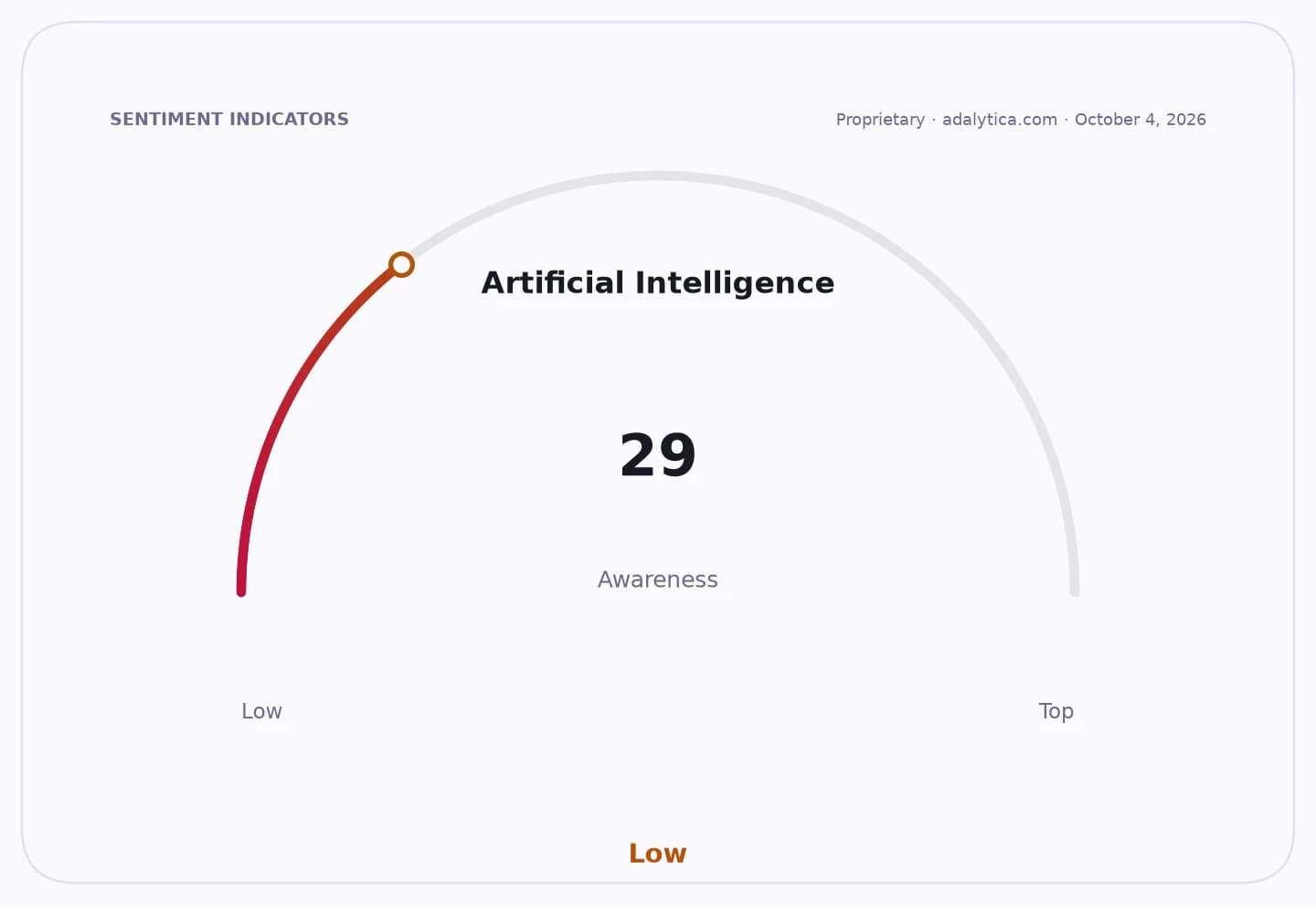
Sentiment IndicatorsⓘProprietary · adalytica.com · October 4, 2026
This is a snapshot — live sentiment, awareness and momentum for 130+ markets update continuously in the dashboard.Open AlphaPulse
The bigger story for investors is not the gambling itself, but the pattern it reveals. India’s AI stack is becoming cheap, accessible and fast enough that small teams can launch consumer apps in days, not months. That same toolkit is being used in legal markets such as e-commerce, edtech and mobile development, where Deloitte says generative AI is already cutting rollout times. But the Matka trend shows the other side of that efficiency: low-cost distribution, payment rails such as UPI, Telegram bots and sideloaded installs can give fringe products reach far beyond their size.
That helps explain why the story has economic weight. India’s AI market is projected to reach $8 billion by year-end, while NASSCOM sees AI services climbing to $17 billion by 2027. Most of that opportunity will come from productive uses, not betting apps. Still, the Matka example shows how AI adoption is spreading from enterprise workflows into consumer micro-businesses, including the grey economy. For local developers, that means a path to quick monetisation through premium predictions, affiliate links and ad-like funnels. For regulators, it means a tougher enforcement problem as apps disguise gambling features as entertainment or lucky-number tools.
For users, the risk is obvious. These apps wrap probabilistic language around a game that is still driven by chance, not insight. Some claim 70% to 80% accuracy, but those numbers are marketing more than proof. AI can make the product look smarter and more trustworthy, which may increase engagement and losses. In a country where gambling addiction and debt cycles remain sensitive social issues, that is not just a consumer problem; it is a financial stability issue at the household level.
The long-term investment takeaway is that AI is becoming a general-purpose capability, and general-purpose technologies tend to spread everywhere, including places regulators dislike. That makes the winners clear: cloud providers, chipmakers, model platforms and legal consumer-app ecosystems. The losers are the users most exposed to addictive mechanics, and the underground operators who may face greater scrutiny as India’s AI rules tighten. For investors, the best response is not to chase the headline, but to own the broad AI infrastructure and the platform businesses that benefit from adoption at scale. The Matka app boom is worth watching as a signal of how wide AI diffusion has become — and how important governance will be.
| Entity | Gains | Losses |
|---|---|---|
| Indian AI developers | ▲Fast app launches | ▼Regulatory scrutiny |
| Cloud and chip suppliers | ▲More AI usage | ▼Limited direct benefit from grey-market apps |
| Matka app operators | ▲Quick monetization | ▼Shutdown risk |
| Users and regulators | ▲Better transparency tools | ▼Higher addiction and enforcement burdens |