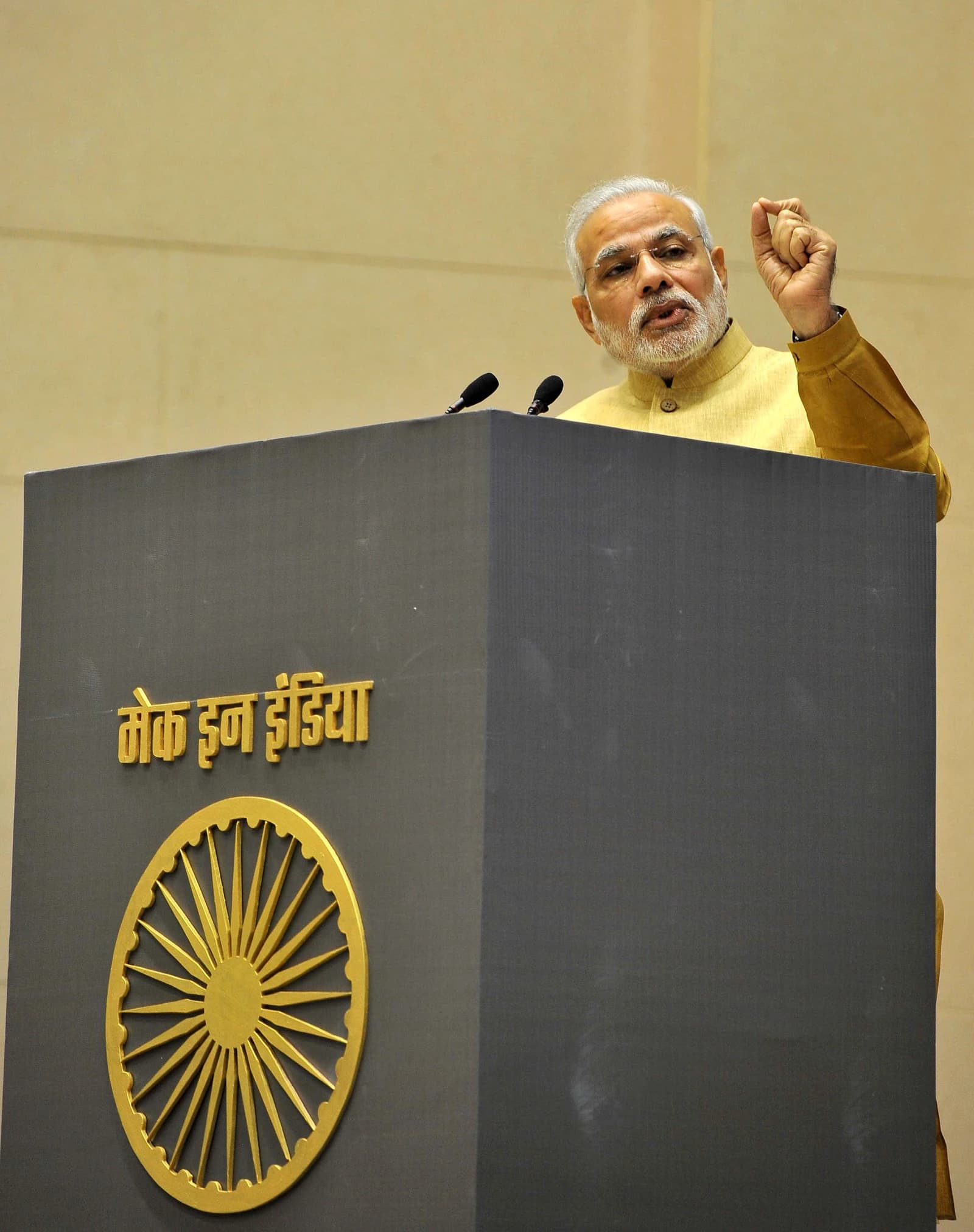
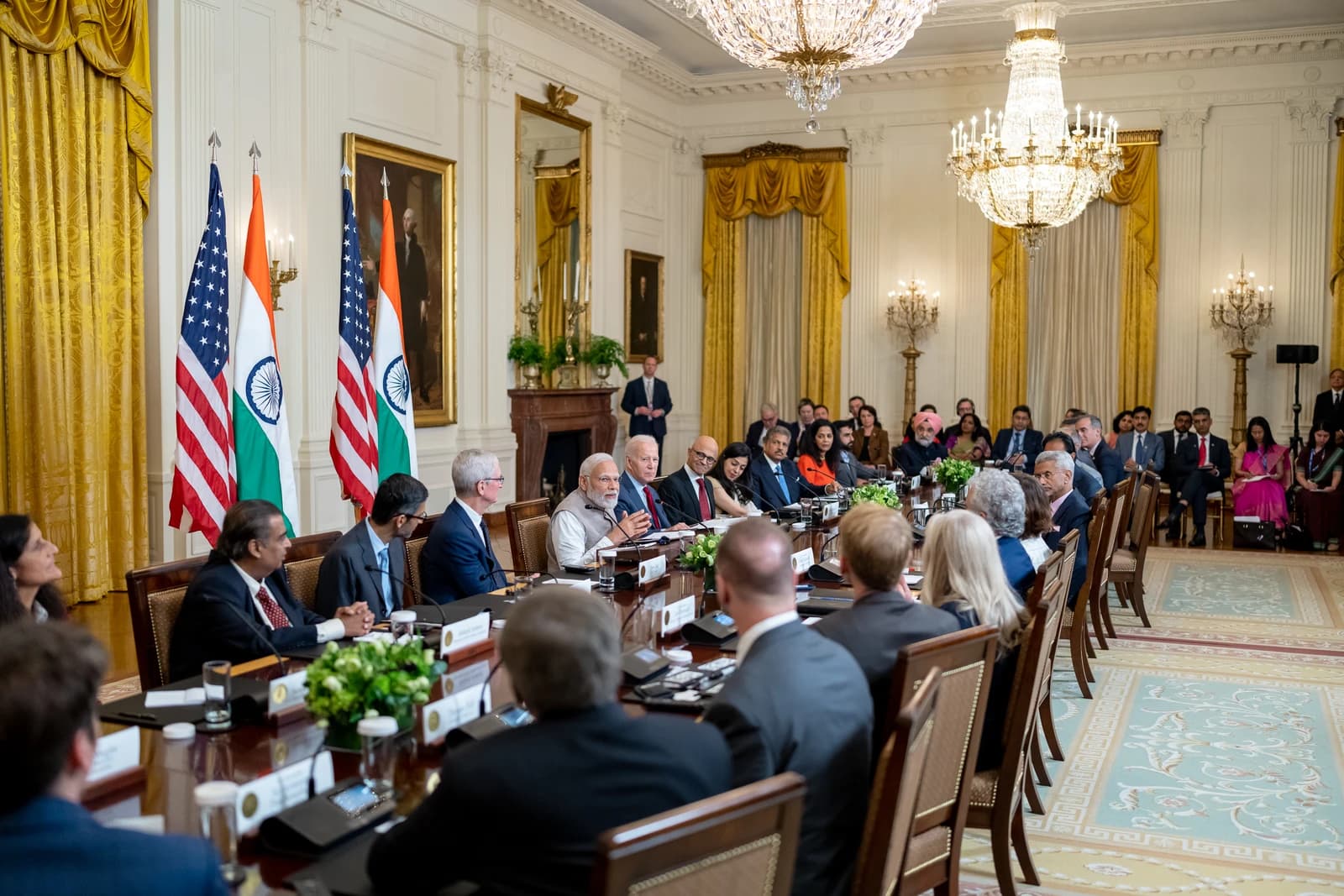
India’s government is seizing on Nvidia chief executive Jensen Huang’s endorsement of the country’s technology base to bolster its case that the economy’s 7.8% second-quarter growth was real and durable, even as critics question the quality of the data.
India GDP Debate Gets Nvidia Validation

The political significance is immediate, but the economic stakes are broader: New Delhi is trying to preserve confidence in India’s growth story at a time when it is pitching the country as a long-term destination for capital, semiconductor investment and artificial-intelligence development. When a company at the center of the global AI boom says India is “one of the world’s leading IT industries” and a place where startups can “build a local AI economy,” it reinforces the government’s argument that services-led growth is evolving into a higher-value technology cycle.
Sentiment IndicatorsⓘProprietary · adalytica.com · September 3, 2026
This is a snapshot — live sentiment, awareness and momentum for 130+ markets update continuously in the dashboard.Open AlphaPulse
The comment from Nvidia, shared by parliamentary affairs minister Kiren Rijiju, lands amid a dispute over whether the headline GDP number overstates momentum because of revisions to last year’s current-price base. Former finance secretary Subhash Chandra Garg said the revision made the latest growth look stronger than it would have been otherwise. That criticism matters because India’s credibility on macro data affects everything from foreign portfolio inflows to corporate expansion plans and sovereign-risk perception.
For investors, the issue is less about the political spat than about whether India can convert strong nominal and real growth into a more investable tech and industrial ecosystem. Huang’s remarks point to a favorable thesis: India already has scale in IT services, a deep startup base and government backing for AI adoption. That combination could support demand for cloud infrastructure, data centers, chips and enterprise software over time, creating opportunities for Nvidia and its ecosystem of suppliers and customers.

The bull case is that India’s 7.8% expansion, combined with international validation from a marquee semiconductor executive, strengthens the case for sustained capex, productivity gains and a broader technology upgrade. The bear case is that rhetorical support does little to settle concerns about statistical quality, and that India still needs stronger private investment and manufacturing depth to turn AI enthusiasm into earnings growth.
Nvidia’s share price also underscores how closely investors are watching the company’s positioning in global AI demand. The stock closed at $229.64 on Thursday, above its 50-day moving average of $209.90 and 200-day average of $196.31, while RSI readings near 53 suggest the rally is not yet stretched. For the market, India represents another potential growth vector for a company already benefiting from surging data-center demand and massive supply commitments.
The next test is whether India’s growth narrative translates into tangible investment: more AI deployments, more local startup activity and more capital flowing into the digital infrastructure needed to support them. If that happens, the GDP debate will matter less than the opportunity it highlights.
| Entity | Gains | Losses |
|---|---|---|
| Indian government | ▲Growth narrative support | ▼Opposition criticism |
| Nvidia | ▲India AI demand story | ▼Debate over data quality |
| Indian startups/IT firms | ▲AI adoption tailwinds | ▼Slow capex conversion |
| GDP skeptics | ▲Data scrutiny leverage | ▼Political momentum |