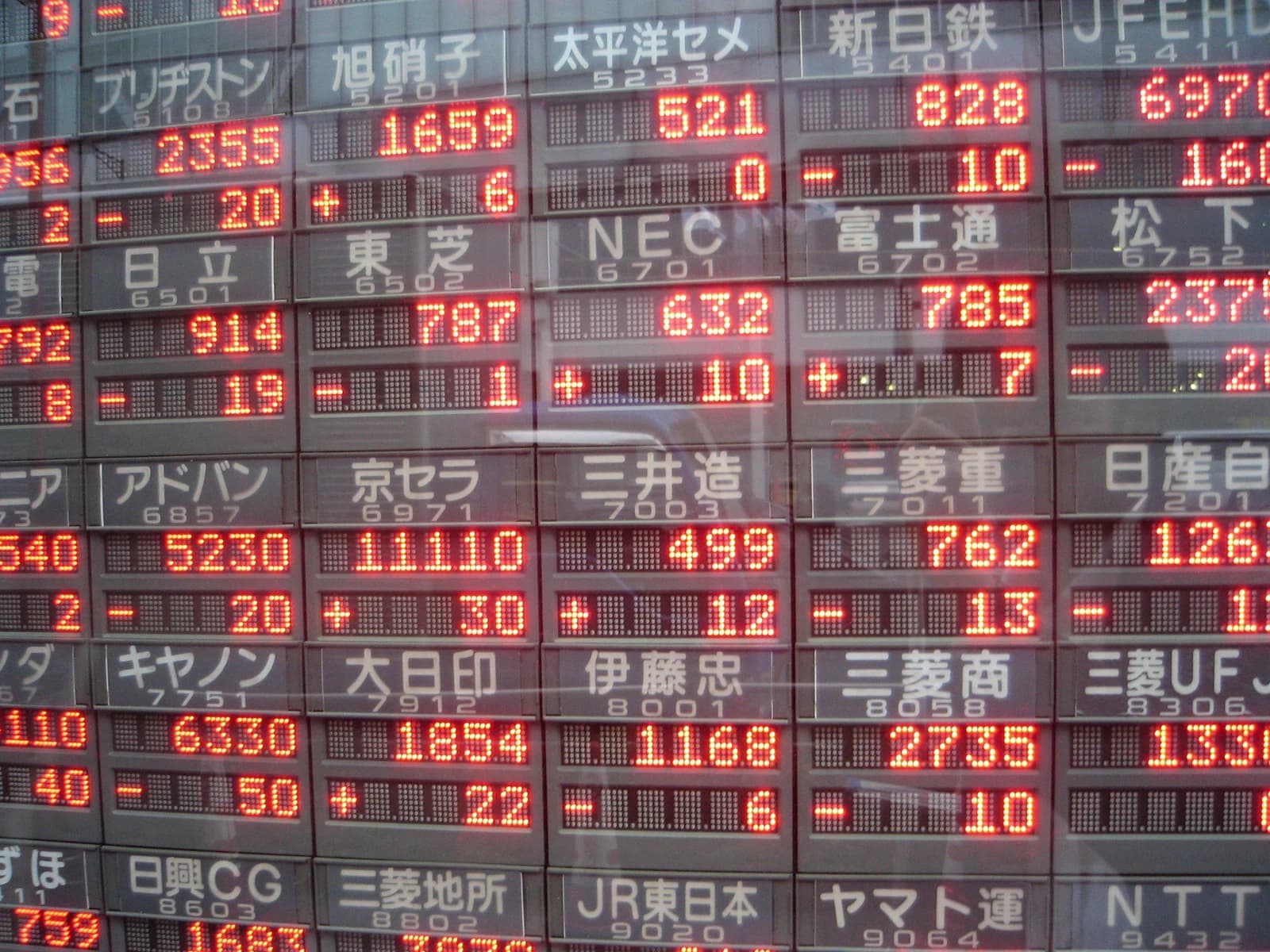
Asian shares eased on Monday as investors began to question how long the artificial intelligence spending spree can keep powering megacap tech, turning this week’s Apple results into a key test for the whole market.
Apple earnings test AI spending rally
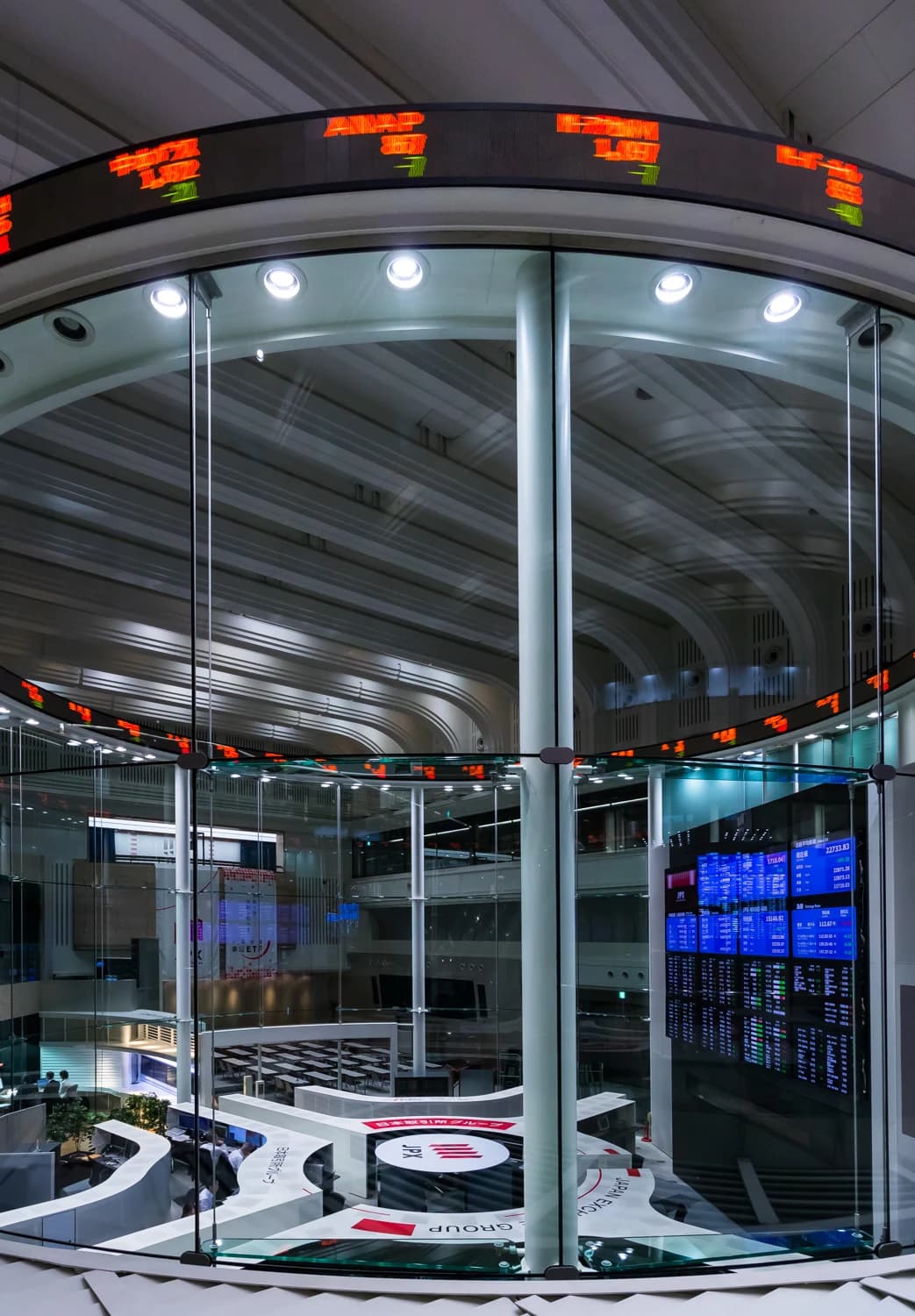
That matters because the AI trade has become a pillar of global equity returns, and any hint that capital spending is outrunning cash generation can ripple from chipmakers to cloud providers to the broader indexes that have relied on those stocks to carry performance. Goldman Sachs expects hyperscaler capex to nearly double to $800 billion this year and climb to $1.2 trillion by 2027, but it also sees earnings growth slowing from nearly 30% in 2026 to 18% the year after. In other words, profits are still rising, but the market is no longer being rewarded for assuming growth will keep accelerating.
Sentiment Indicators

The caution is showing up in prices. Japan’s Nikkei fell 0.5% and South Korea slipped 0.8%, after dropping 16% last month, while the broader MSCI Asia-Pacific index outside Japan eased 0.4%. Futures for Europe were slightly firmer, and U.S. futures pointed to a modest rebound, but the tone remained defensive after the Nasdaq lost almost 7% in October, its worst month since April’s tariff-driven rout.
For investors, the immediate focus is earnings. Apple, AMD and Palantir are due to report after Intel’s near 29% tumble on Friday, and those results will help determine whether the market is dealing with a healthy pause in AI enthusiasm or the start of a valuation reset. Apple’s update is especially important because it sits at the center of consumer tech spending and still carries enormous index weight, so even a small disappointment could move the broader market.

The stress is not just about one company. Last week, the cost of insuring against corporate defaults widened, gold hit a one-year low as investors sold to meet margin calls, and withdrawals from Binance added to the sense that risk appetite is being tested across asset classes. Oil’s surge has also complicated the picture, limiting the appeal of sovereign bonds and keeping inflation worries alive just as traders are still pricing a 72% chance of another quarter-point Federal Reserve hike in December.
That is why this week’s calendar matters so much. The ISM manufacturing survey and Friday’s payrolls report will help shape the next move in rates, while central banks in Australia, Britain and Sweden are all in play. If labor data stay firm and AI-heavy earnings fail to re-accelerate, the market may have to digest a less forgiving combination of still-solid growth, sticky policy and a more demanding bar for tech spending.
Apple, meanwhile, remains a long-term franchise investors can own through cycles, but the near-term message is clear: even the best businesses are not immune when valuations are rich and the market starts asking harder questions about returns on AI capital. For patient investors, this is a reminder to focus on earnings power, free cash flow and diversification, not just the hottest theme of the moment. Worth watching closely.
| Entity | Gains | Losses |
|---|---|---|
| Apple | ▲holds center stage | ▼must meet a high bar |
| AI chipmakers | ▲still get spending tailwinds | ▼face valuation compression |
| Broad equity investors | ▲may find better entry points | ▼endure higher volatility |
| Bond buyers | ▲get safe-haven demand | ▼lose if inflation stays sticky |