India’s benchmark shares finished Samvat 2082 with their weakest Diwali-to-Diwali performance in 15 years, a reminder that even one of Asia’s most resilient equity markets can stumble when earnings, rates and global risk appetite fail to align.
India Benchmarks Post Worst Samvat in 15 Years
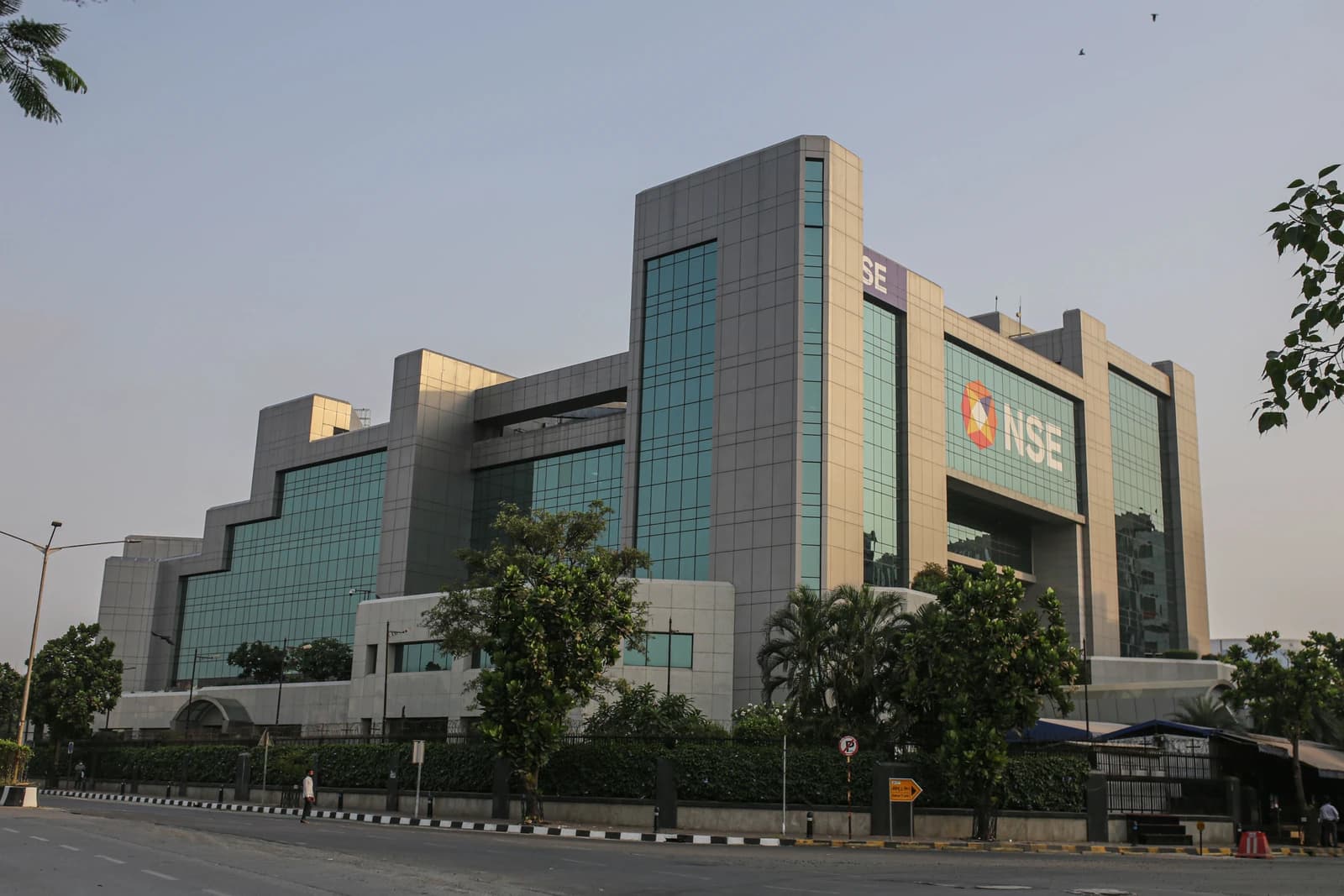
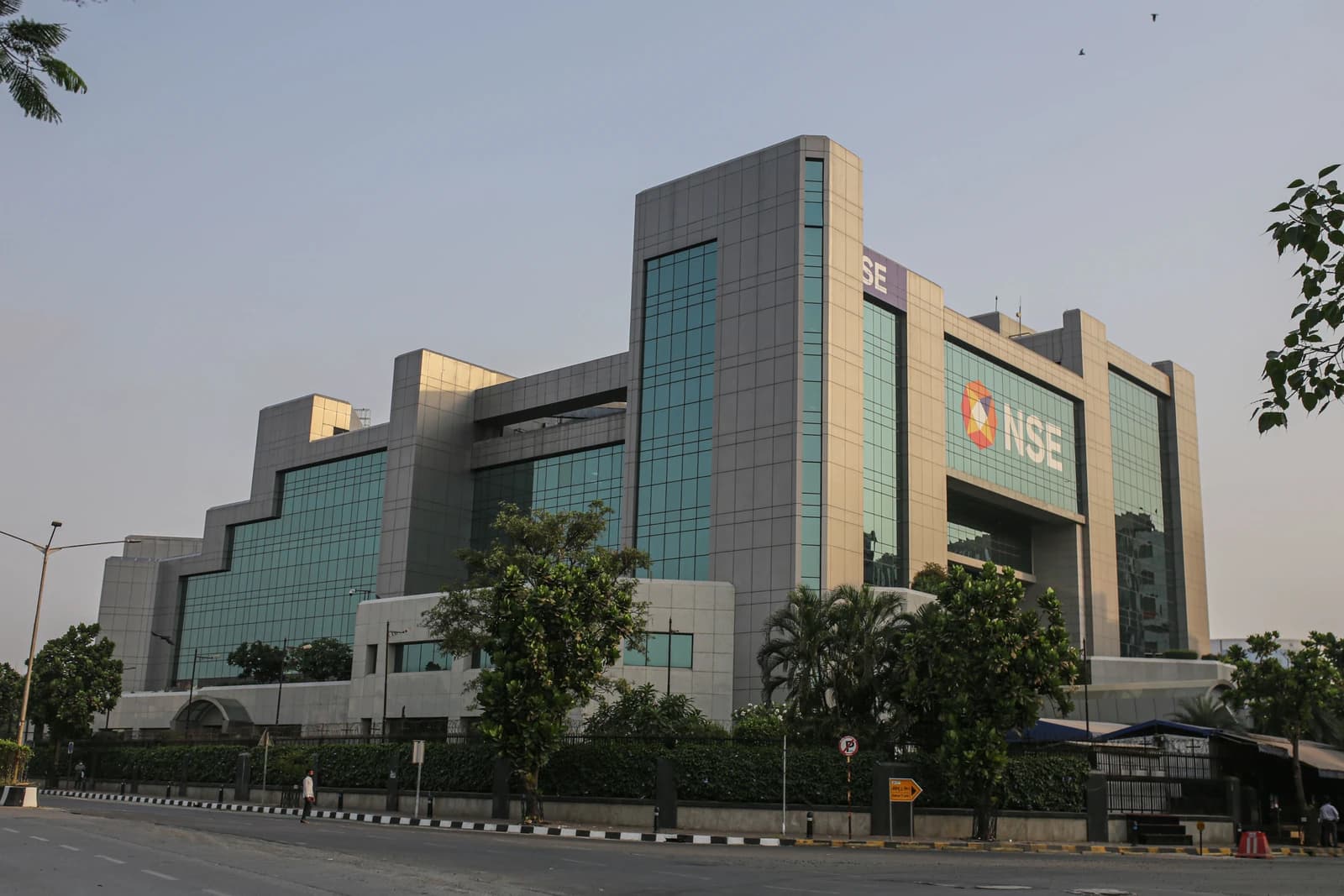
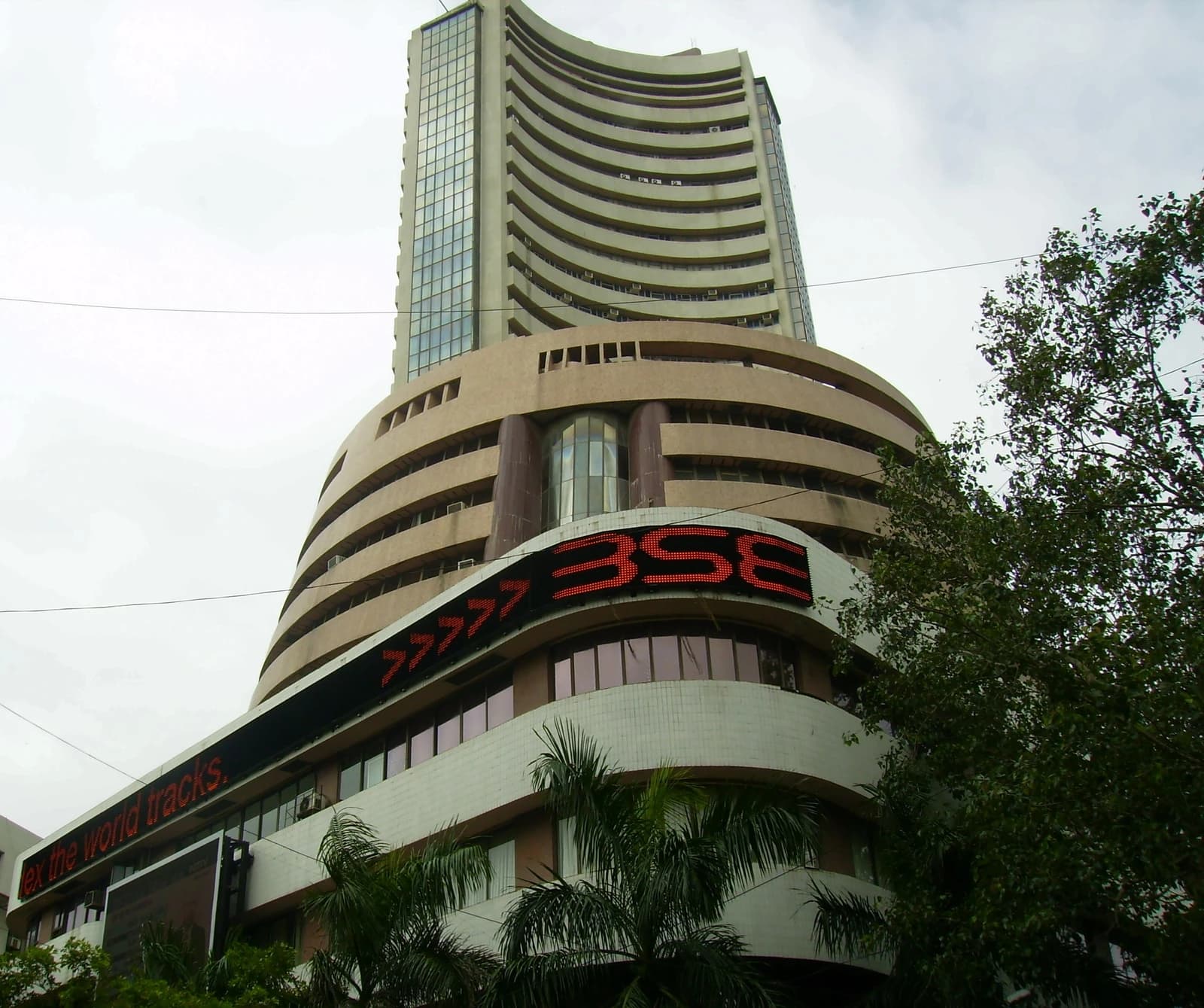
The Sensex fell 4.0% and the Nifty 50 slipped 3.1% over the traditional year that began at Diwali 2025, marking the worst Samvat for both gauges since 2011, when they dropped about 17%. The decline matters because it shows that India’s broad market can no longer rely on valuation support alone: investors want earnings delivery, policy follow-through and stable global liquidity before extending risk.
Sentiment Indicators
That weak benchmark performance masks a more nuanced market underneath. Midcaps rose 2.1% and smallcaps gained 4.2%, outpacing the large-cap indices and underscoring the market’s ongoing rotation into domestic growth stories. Still, the headline loss in the Sensex and Nifty is the more important signal for investors because these indices anchor portfolio allocations, passive flows and sentiment around India’s equity premium.
The year’s path also tells a story of volatility rather than collapse. The Nifty and Sensex were pummeled in March and early April, then staged a recovery into late April before losing momentum again, with the Nifty’s 50-day moving average and the Sensex’s 200-day trend lines repeatedly acting as battlegrounds. By late Samvat 2082, both benchmarks had rebounded sharply from October lows, but the late rally was not enough to erase the damage.
For investors, the lesson is that India remains a high-conviction market, but not an easy one. The outperformance of mid- and small-cap names suggests money is still willing to chase domestic cyclicals, industrials and structural growth themes when the trigger is right. Yet the benchmark underperformance warns against assuming every Indian equity will rise with the index. Stock selection, balance-sheet quality and earnings visibility mattered more than ever.
The narrative heading into Samvat 2083 is therefore not one of broad-based euphoria, but of selective opportunity. If foreign buying stays firm, crude remains contained and corporate earnings hold up, the recent rebound could extend into a larger rerating. But after the worst Samvat benchmark showing in 15 years, the market is demanding proof, not promises.
| Entity | Gains | Losses |
|---|---|---|
| Midcap and smallcap stocks | ▲Outperformed benchmarks | ▼Higher volatility risk |
| Sensex | ▲Late-year rebound | ▼Worst Samvat in 15 years |
| Nifty 50 | ▲Retained market leadership | ▼Fell 3.1% |
| Large-cap investors | ▲Defensive quality names | ▼Index-level underperformance |