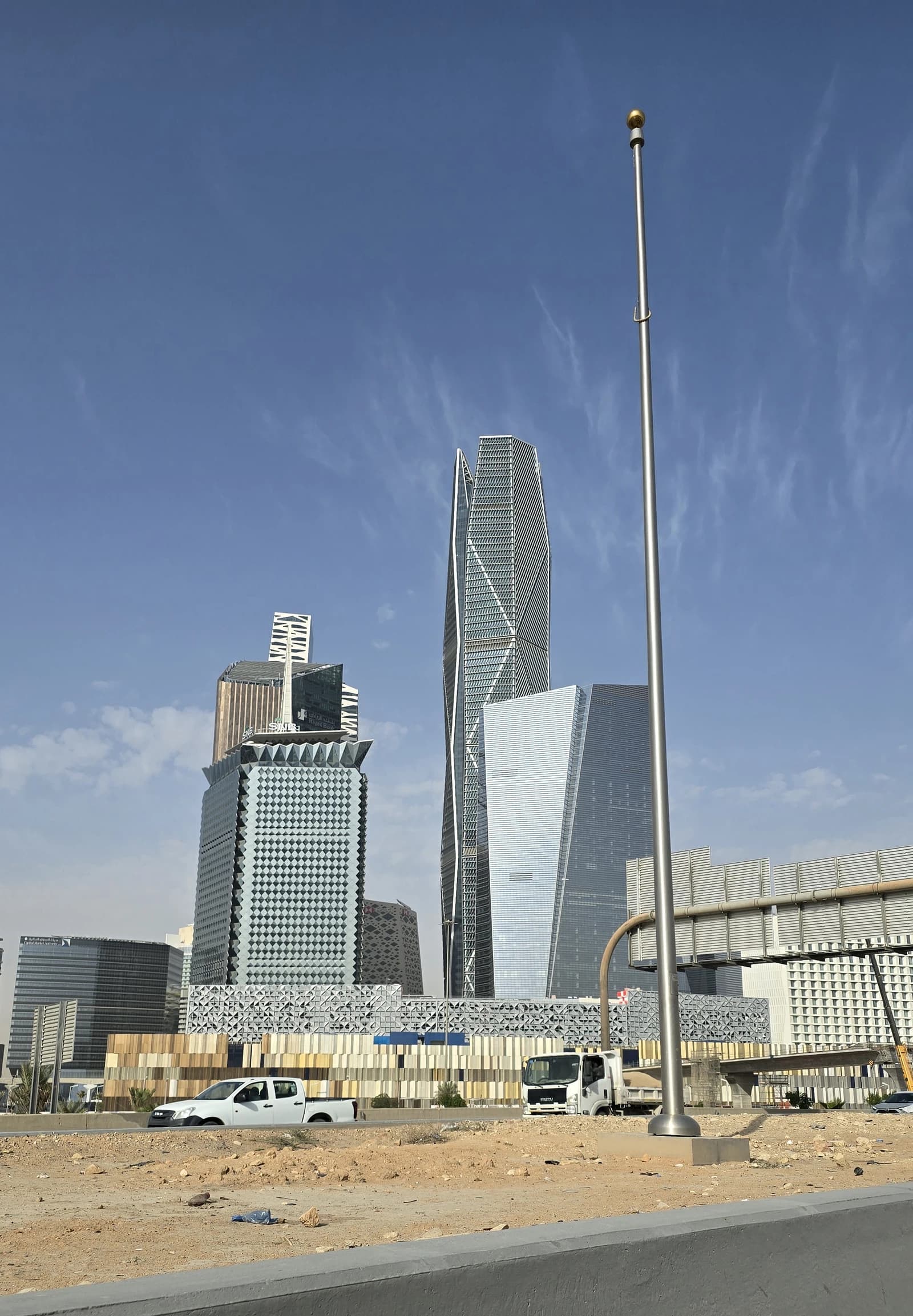
Saudi Arabia’s TASI index slipped below the psychologically important 10,000-point threshold on Sunday, underscoring how quickly sentiment can turn when the market’s heaviest sectors lose traction at the same time global risk appetite weakens.
TASI Holds Near 10,000 as Banks Weigh Index

The benchmark closed down 0.78% at 10,016.92, shedding 78.5 points as banking and telecommunications shares led the pullback. For investors, that matters because these two groups carry outsized weight in the index and often determine whether the market can hold recent gains or revert to a more defensive posture. Trading remained active, with turnover topping 2.74 billion riyals on volume of 181.3 million shares, suggesting the move was not a thin-session anomaly.
Sentiment Indicators

The decline came after a strong week for the market, leaving TASI to test a key technical and psychological support zone around 10,000. Market participants are treating that level as a battleground: a sustained break lower could invite another leg of profit-taking toward 9,500, while a hold above it would keep alive the case for a move back toward 10,200. Conventional technical indicators on major names also point to a market that is losing momentum even before the broader trend fully breaks.
Banks were the biggest drag, falling 1.57% and accounting for 380.44 million riyals of trading value, while telecoms dropped 1.43%. That combination is especially important because the Saudi market’s rally has leaned heavily on domestic financials and large-cap defensives. When those sectors fade together, it usually reflects more than stock-specific selling; it signals a broader reassessment of earnings momentum, funding conditions and risk exposure.
The move also tracked a weaker global backdrop. Traders were rattled by a selloff in artificial-intelligence-linked shares abroad and a sharp drop in Japan’s Nikkei, feeding a risk-off tone across regional markets. That is where the macro story matters most for Saudi investors: when global equities wobble, capital tends to rotate away from markets that have recently run hard, even if domestic fundamentals remain supportive.
Individual names showed the strain. Fibco was the day’s worst performer, tumbling 6.55%, while SMC Healthcare fell 4.87%. Ridan dropped 4.77% after saying it had filed for a capital cut and a rights issue, a reminder that corporate finance news can quickly amplify pressure in a weaker tape. The session also saw declines in Sedafco, Yamama Cement and Tadawul-listed names tied to cyclical and consumer demand.
Still, the market was not uniformly weak. ACWA Power rose 2.08%, and several shares hit fresh 52-week highs, showing that investors are still willing to pay for growth and utility-style cash flow. That split matters: it suggests the selloff is less a wholesale loss of confidence in Saudi equities and more a sector rotation away from the market’s traditional heavyweights.
For investors, the setup is straightforward. If TASI can defend 10,000, this may prove to be a routine consolidation after a strong run. If it cannot, the market risks exposing how dependent the index remains on banks, telecoms and oil-linked sentiment. With geopolitics, global risk appetite and Saudi earnings all in play, the next move in TASI will likely be decided not by breadth alone, but by whether heavyweight sectors can stop pulling the index lower. That makes selective positioning critical: favor companies with resilient cash flow, pricing power and exposure to structural domestic spending, while remaining cautious on the sectors most tied to index-level support.
| Entity | Gains | Losses |
|---|---|---|
| ACWA Power | ▲Defensive inflows | ▼Broader risk-off |
| Saudi banks | ▲Higher lending franchise value if support holds | ▼Index drag and selling pressure |
| Telecoms | ▲Stable long-term cash flows | ▼Weak sector momentum |
| TASI bulls | ▲10,000-point support | ▼Break below key level |