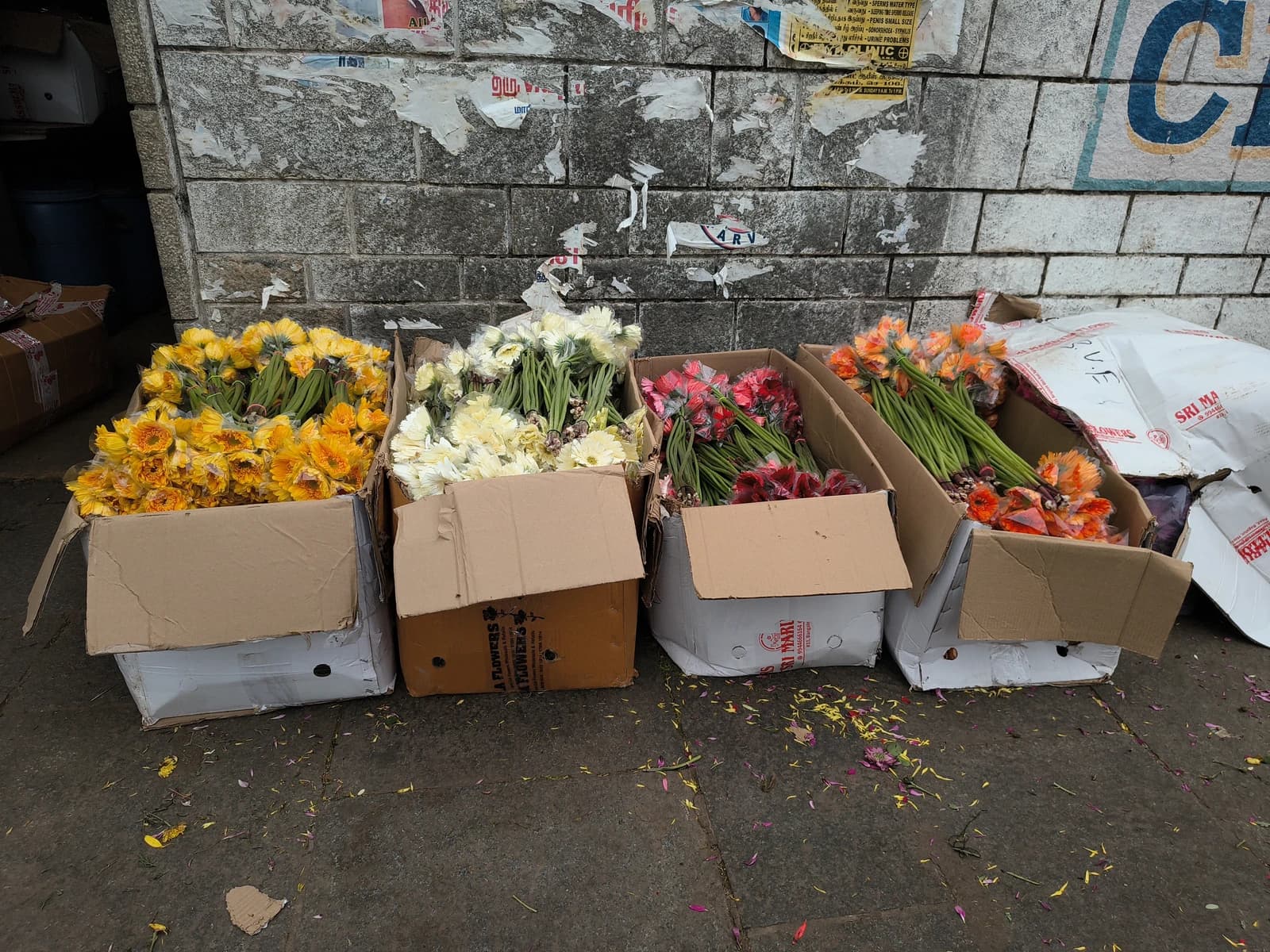
Dussehra 2026 is being marked by a familiar investment theme in India: festive buying that mixes tradition, household budgeting and a willingness to spend on big-ticket items such as gold and vehicles.
India Dussehra Buying Lifts Gold and Auto Demand

For families, that matters because festivals remain one of the most important demand windows for discretionary spending. Gold jewelry, new cars, two-wheelers and household essentials often see a lift around Vijayadashami, when buyers in many households prefer to start fresh, make auspicious purchases and time major expenses with cultural rituals rather than pure convenience.
Sentiment IndicatorsⓘProprietary · adalytica.com · October 23, 2026
This is a snapshot — live sentiment, awareness and momentum for 130+ markets update continuously in the dashboard.Open AlphaPulse
That does not mean every purchase makes economic sense. The real takeaway for investors and consumers is that festival buying tends to cluster demand into a short period, creating temporary support for jewelers, automakers, consumer durables and organized retail. At the same time, the same season can amplify pressure on household budgets, especially if buyers stretch for items they do not need.
Gold remains the most emotionally powerful purchase in the Dussehra basket. The metal is still widely associated with prosperity and financial security, which helps explain why jewelry demand often strengthens around festive dates. For investors, that cultural preference can support sellers of physical gold, jewelry chains and gold-linked products even when broader markets are unsettled.
Vehicles are another clear beneficiary. In many Indian homes, buying a car or bike on Dussehra is seen as a fresh start, and dealerships often lean into that belief with promotions and delivery drives. That can support near-term sales for automakers and dealers, especially in the entry-level and two-wheeler segments, where festival demand can be a meaningful share of quarterly volumes.
On the market side, the contrast is striking. U.S. equity sentiment has been deeply negative, with Adalytica’s S&P 500 trade signal showing “Extreme Fear,” while gold-linked assets have held up better even after a recent pullback. GLD closed at $368.30 on Oct. 23, below its 50-day moving average of $394.54 and its 200-day average of $414.22, suggesting the metal has corrected from earlier strength but still sits in a long-term bull-market conversation for investors seeking hedges and diversification.
That matters because festive buying is not just a cultural story; it is a demand signal. When households choose gold, vehicles and other durable goods, they are revealing where discretionary cash is going. When they avoid unnecessary purchases such as extra clothing, speculative buys or nonessential spending, that is just as important for reading consumer discipline.
The practical advice around what to avoid is equally relevant. Religious customs often caution against buying black clothes, onions, garlic or footwear on Dussehra, but for investors the broader lesson is simpler: seasonal demand is strongest when it is tied to genuine household needs, not impulse spending. If inflation, fuel costs or slower income growth are squeezing budgets, festival demand may become more selective and value-driven.
Tesla, Amazon and the broader U.S. market backdrop are a reminder that investors should separate sentiment from fundamentals. Tesla closed at $370.15 on Oct. 23, while Amazon ended at $248.16. Both are below recent highs and still sensitive to consumer spending trends, pricing power and the health of discretionary demand. Festive seasons in India will not move those names directly, but they are part of the same global consumption picture.
For long-term investors, the better question is not whether Dussehra shopping is “lucky.” It is which businesses benefit from recurring cultural demand year after year. Jewelry retailers, automakers, consumer goods companies and broad market funds can all participate in that cycle, but only if they have pricing power, balance-sheet strength and the ability to convert festive footfall into durable earnings growth.
So what should you do with that information? If you are a consumer, buy only what fits your budget and actual need. If you are an investor, watch the companies that consistently profit from India’s festival economy — and remember that the best compounding usually comes from owning strong businesses through many seasons, not trying to time a single one.
| Entity | Gains | Losses |
|---|---|---|
| Gold buyers/jewelers | ▲Festive demand boost | ▼Overextended budgets |
| Automakers/dealers | ▲More Dussehra deliveries | ▼Buyers waiting for discounts |
| Consumer retailers | ▲Higher footfall and sales | ▼Nonessential impulse buyers |
| Households with tight cash flow | ▲Better value from selective buying | ▼Pressure from seasonal spending |