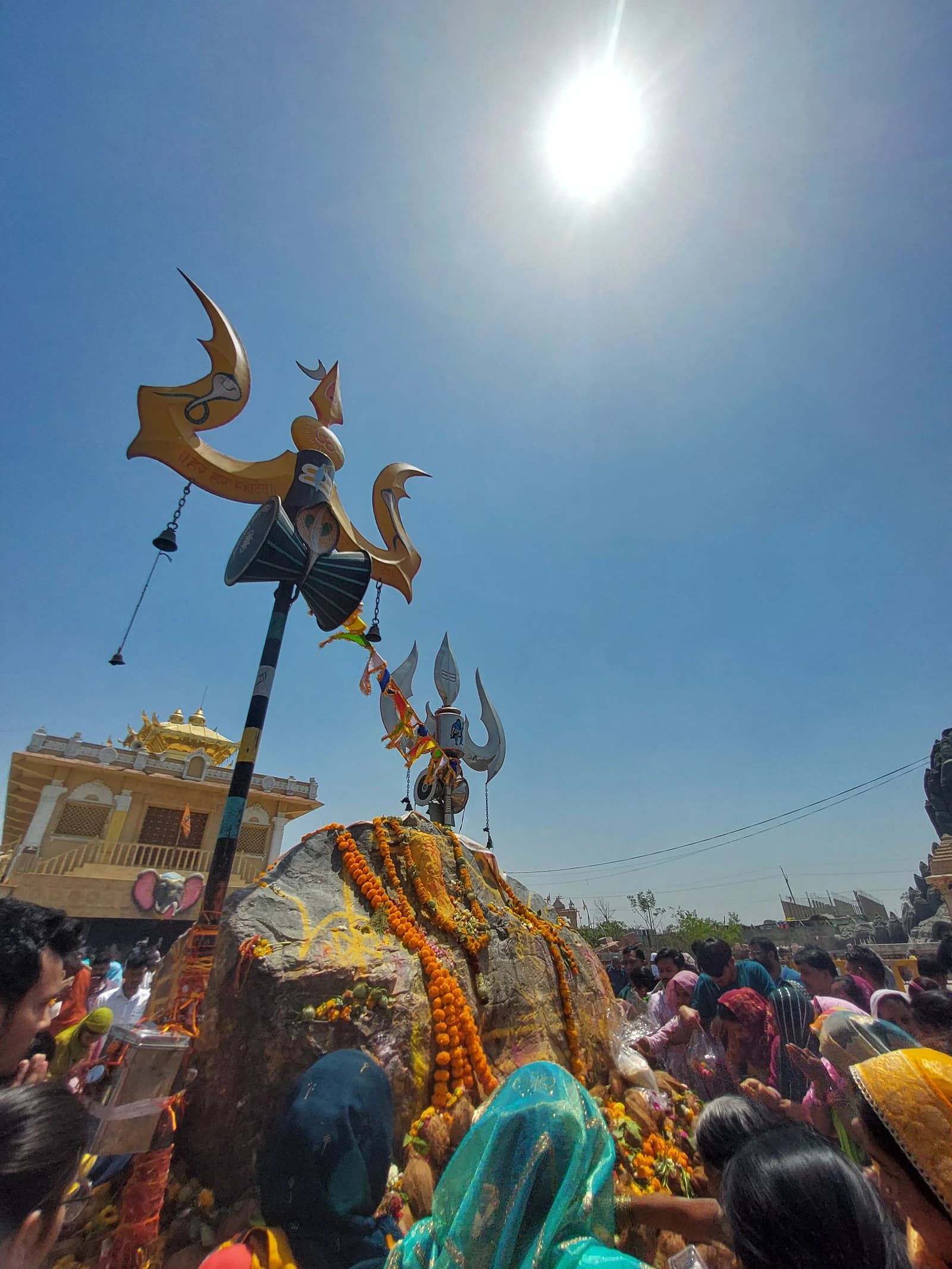
India’s festive shopping season delivered a surprisingly strong lift for retailers, with clothing, footwear and home-appliance chains reporting double-digit growth even as inflation continued to squeeze household budgets.
India festive sales rise for autos and appliances
That matters because Navratri and Dussehra are not just cultural events; they are the opening act for the country’s biggest consumption stretch of the year. When families still open their wallets for cars, scooters, air conditioners and fashion despite higher prices, it suggests the consumer engine has not stalled — it is simply becoming more selective.
Sentiment IndicatorsⓘProprietary · adalytica.com · October 26, 2026
This is a snapshot — live sentiment, awareness and momentum for 130+ markets update continuously in the dashboard.Open AlphaPulse
Dealers estimated that about 10.3 lakh vehicles were sold during Navratri this year, up from 10.1 lakh a year earlier, despite a high base after last year’s GST-driven buying spree. The Federation of Automobile Dealers Associations said the modest growth should not be read as weakness, since last year’s tax cuts had pulled demand forward and left a distorted comparison. Hero MotoCorp said retail sales still ran ahead of last year’s level, with scooters standing out. Lifestyle and footwear retailer Woodland said sales rose more than 20%, while electronics chain Vijay Sales also posted growth of more than 20%, helped by a more than 50% jump in air-conditioner sales.
The broader message for investors is that India’s discretionary spending story is still intact, but it is evolving. Consumers are not buying everything equally. They are trading up where they can justify the purchase, leaning on financing, and timing purchases around festival offers and price hikes.
Electronics companies tried hard to protect demand by extending EMI tenors, widening financing options for entry-level products and delaying planned price increases until after Diwali. That helped keep traffic moving in categories such as air conditioners and appliances. LG, Godrej Appliances, Haier and Lloyd all reportedly saw sales rise more than 20% during the festival period.
But the winners were not evenly spread. Smartphones, laptops and televisions came under pressure as memory-chip prices surged two to three times, pushing average prices for memory-heavy products 15% to 40% higher than a year ago, according to industry officials. Premium models held up better, but the middle of the market looked more fragile.
For long-term investors, that split is the real takeaway. The festive season is still powerful enough to support auto makers, appliance brands, value retailers and finance-linked sellers, but rising input costs and higher product prices are making demand more uneven. Companies with pricing power, strong brands and flexible financing should keep taking share. Those selling discretionary gadgets with thinner margins may have a tougher run into Diwali and beyond. It’s worth watching the next round of sales updates, especially for consumer names exposed to India’s festival spending cycle.
| Entity | Gains | Losses |
|---|---|---|
| Auto dealers and two-wheeler makers | ▲Higher festive volumes | ▼Last year’s easy comparison |
| Appliance and value retailers | ▲Strong Navratri demand | ▼Inflation-sensitive budgets |
| Premium consumer electronics brands | ▲Better resilience at the top end | ▼Mid-market phone/TV demand |
| Consumers | ▲More financing choices | ▼Higher prices for memory-heavy goods |