Amazon’s latest Great Indian Festival is doing more than pushing cheap kurtas and Anarkali dresses — it shows how fiercely the company is fighting for India’s shopper, even as it trims jobs and keeps spending on AI and logistics to stay competitive.
Amazon India Festival Sale Boosts Traffic
For investors, that mix matters because Amazon’s retail business has long been a scale game: the more traffic, the more seller participation, and the better the economics over time. Deep discounts on officewear and ethnic wear help keep customers inside Amazon’s ecosystem during a crucial festive shopping window, when families are still willing to spend but are also highly price-sensitive. In India, where e-commerce growth still has room to run, promotions like these can help Amazon defend share against rivals while converting seasonal traffic into repeat customers.
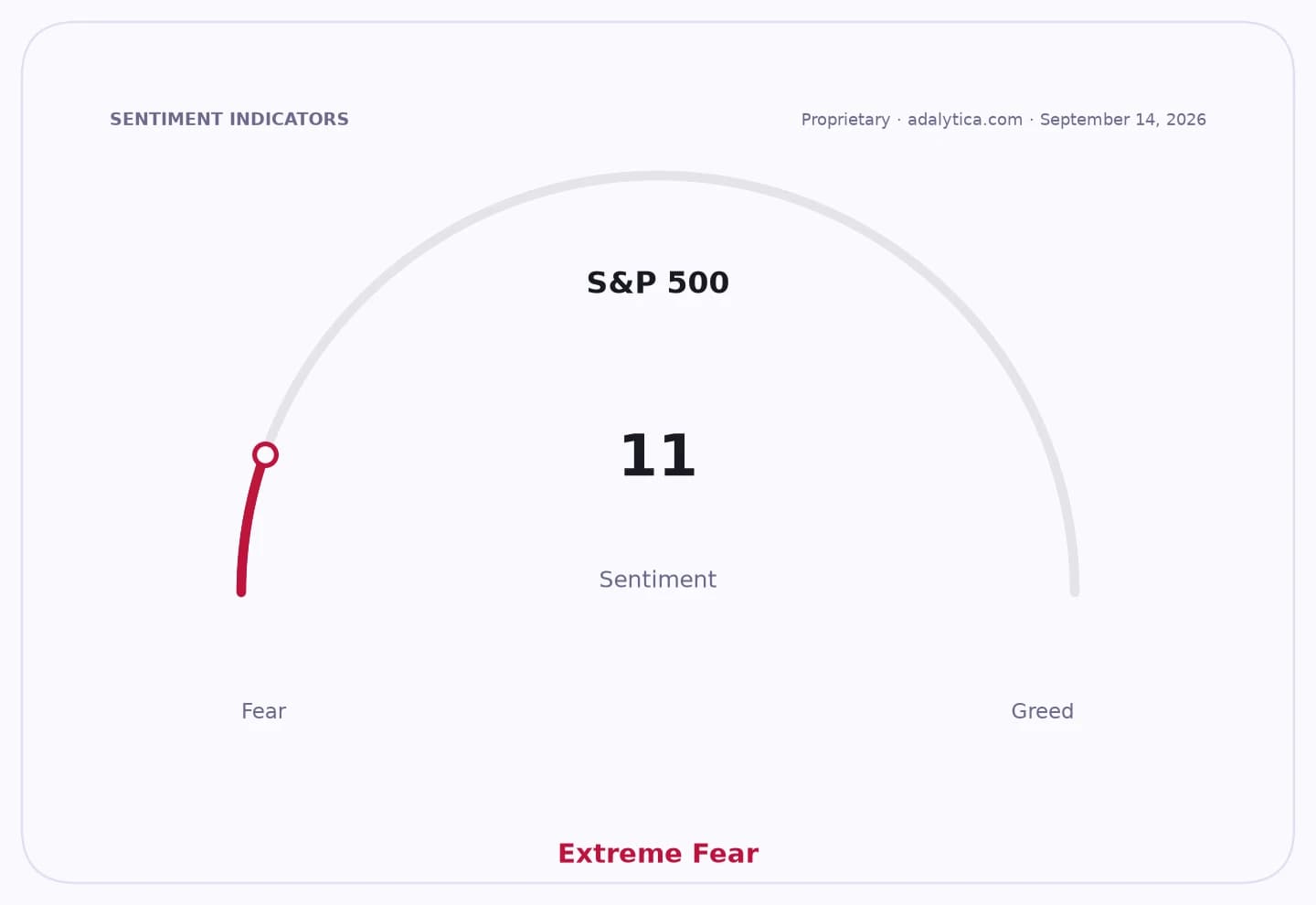
Sentiment IndicatorsⓘProprietary · adalytica.com · October 16, 2026
This is a snapshot — live sentiment, awareness and momentum for 130+ markets update continuously in the dashboard.Open AlphaPulse
The sale lands at a time when the broader market is still uneasy. Adalytica’s S&P 500 trade signals snapshot shows neutral sentiment but extreme fear in awareness, a reminder that investors are rewarding companies that can keep growth alive without letting costs run away. Amazon’s latest filings also underline that it plans to keep investing in artificial intelligence, while the company has separately moved to reduce staff in India. That is the classic tension for a long-term Amazon story: spend aggressively where the future is, while squeezing waste out of the current operation.
Amazon’s stock has also been volatile, but the bigger picture still favors investors who think in years rather than days. The shares remain above their 200-day moving average, a sign the long-term trend is still intact even after recent swings. That matters because Amazon’s valuation is always tied to whether investors believe it can turn scale in retail, cloud and advertising into durable free cash flow.
The real question is not whether one sale can move Amazon’s earnings. It cannot. The question is whether the company can keep using events like this to deepen its moat in one of the world’s most important consumer markets while funding the next leg of growth in AI and infrastructure. If it can, today’s discounting is less a margin giveaway than a customer-acquisition engine.
For long-term investors, that makes Amazon worth watching, not for the bargains on dresses alone, but for what those bargains say about a business still intent on compounding.
| Entity | Gains | Losses |
|---|---|---|
| Amazon | ▲Traffic and sales volume | ▼Near-term margins |
| Indian shoppers | ▲Lower apparel prices | ▼Fewer full-price purchases |
| Rivals such as Walmart and Etsy sellers | ▲More competitive pressure | ▼Share and pricing power |
| Long-term AMZN holders | ▲Moat-building and scale | ▼Short-term volatility |