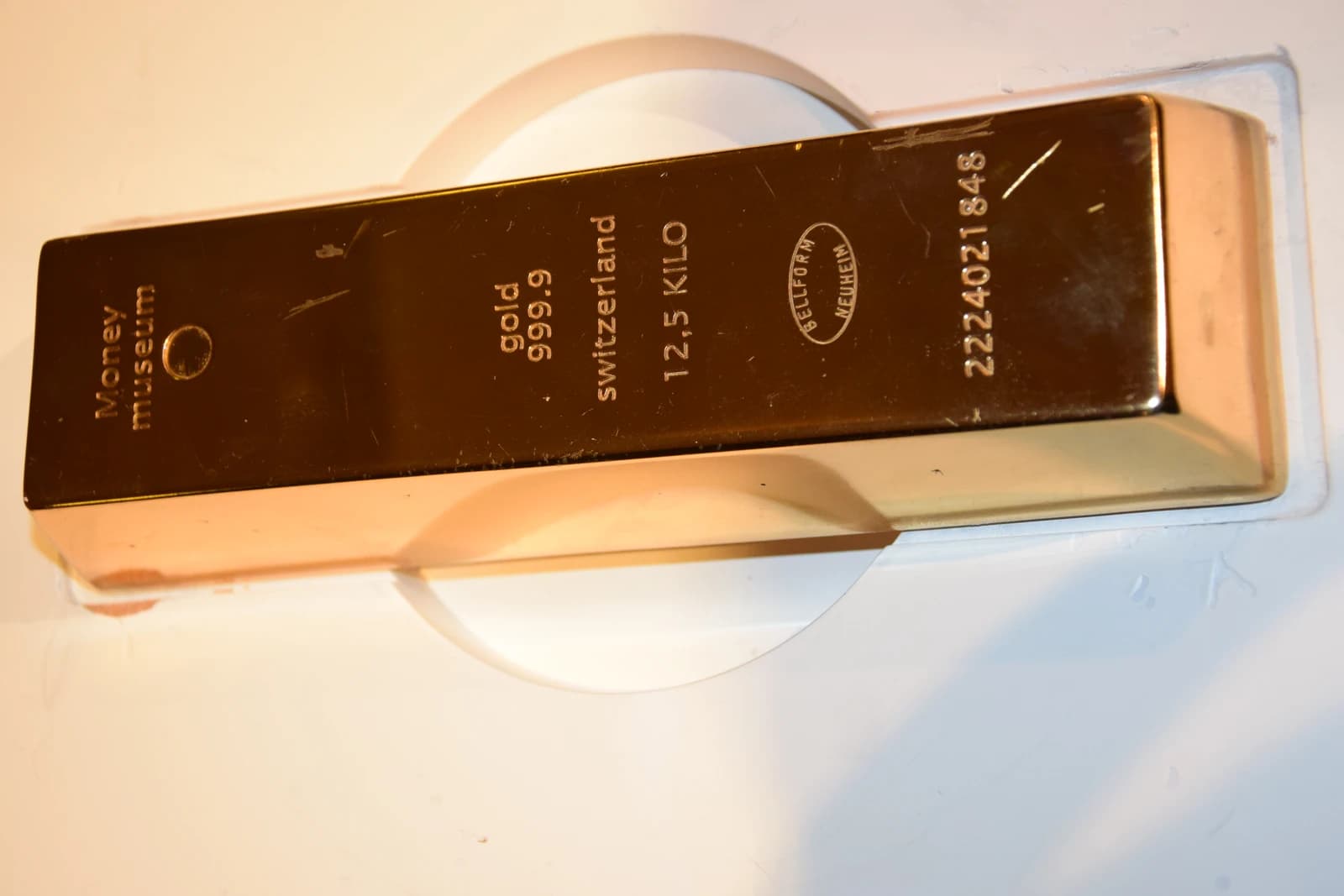
Gold is heading into the final stretch of the year with two forces that could keep the market from slipping much further: stronger-than-expected investment demand and robust central-bank buying.
Gold demand rises as central banks keep buying
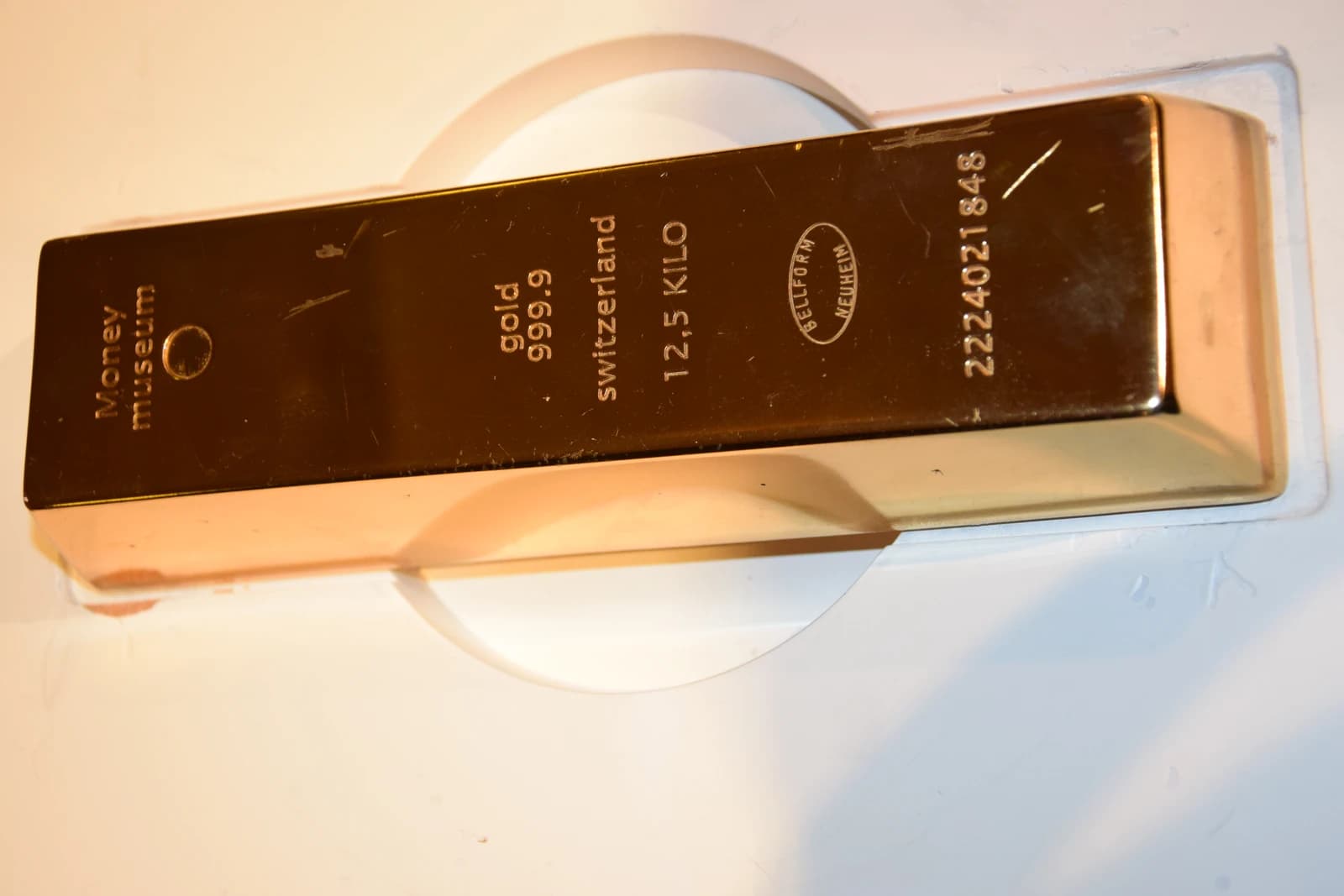
That matters because the metal has been fighting a tough backdrop. High interest rates, rising bond yields and a stronger U.S. dollar usually make gold less attractive, since the metal pays no income and looks expensive relative to cash and bonds. Yet the World Gold Council now sees those headwinds being offset more than it expected, with official sector buying and ETF inflows helping to cushion the market after a two-month slump that briefly pushed prices below $4,000 an ounce.
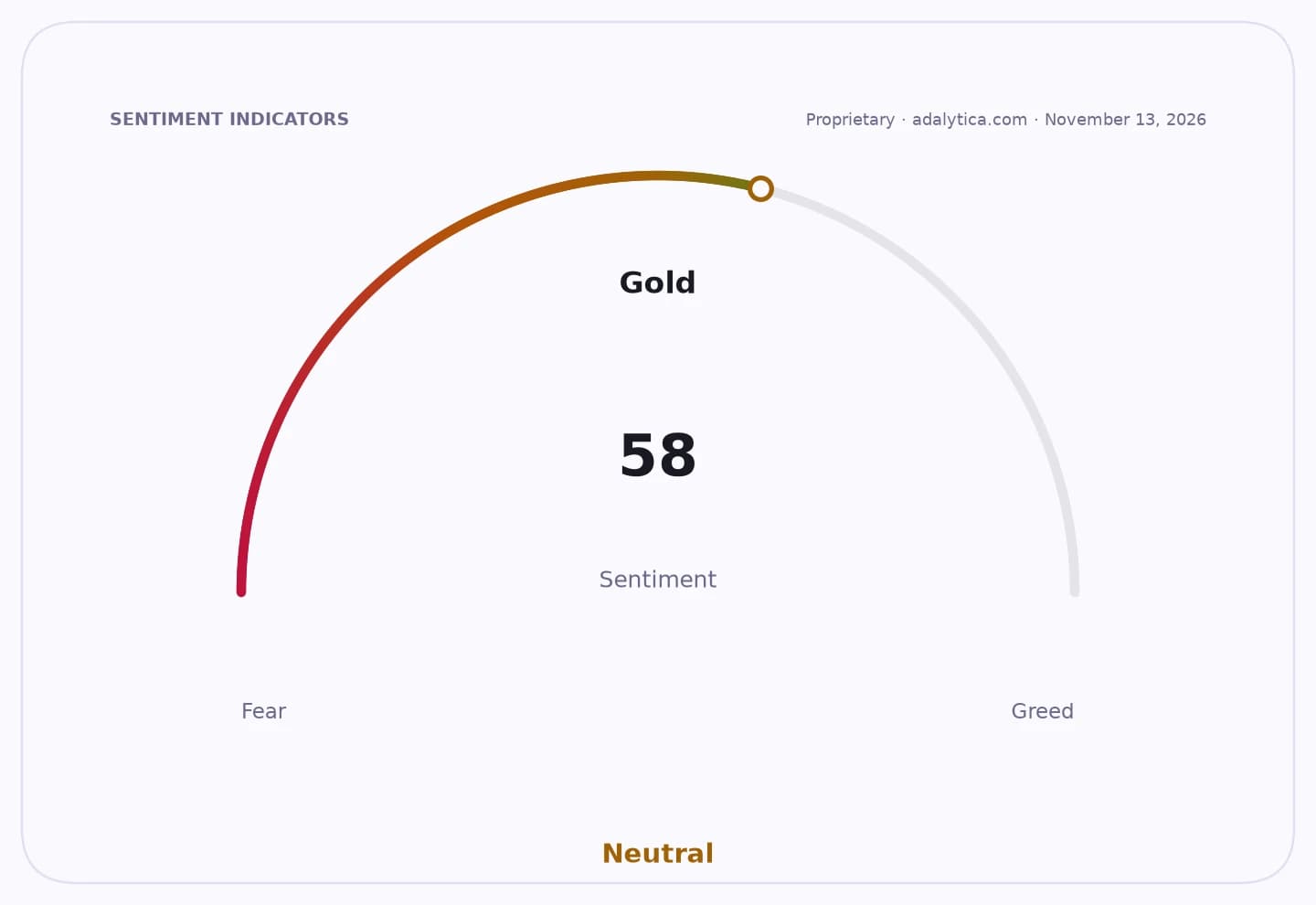
Sentiment Indicators

For investors, the message is not that gold is suddenly risk-free. It is that the floor under demand may be firmer than many thought, especially if macro stress, fiscal worries or geopolitical tensions intensify. In other words, gold still looks like a portfolio hedge, not a momentum trade, and that can matter for long-term allocators who want diversification when rate volatility remains elevated.
The World Gold Council cut its forecast for investment demand in 2026 to about 200 tons of growth from a prior expectation of 400 tons, a reminder that higher yields are still biting. But it also lifted its outlook for central-bank purchases, saying buying in 2026 should at least match 2025 after a surprise surge in the third quarter.
Gold
That quarter was the key to the story. Central banks bought 321 tons of gold in the third quarter, up 42% from a year earlier and well above the five-year quarterly average of 227 tons. In the first nine months of the year, central-bank purchases reached 675 tons, up 6% year on year. China and Poland were the largest disclosed buyers, with 63 tons and 40 tons respectively.
Just as important, the buying is broader than the official data suggest. Of the 321 tons estimated to have been bought in the quarter, only 120 tons were reported publicly. That leaves roughly 63% in unreported transactions, extending a pattern seen over the last four years. For the gold market, that creates a kind of hidden support: demand that can steady prices without always showing up in the headlines.
Exchange-traded funds added another layer of support. Global gold-backed ETFs pulled in 211 tons of net inflows in the third quarter, reversing outflows from the prior quarter. Holdings rose to a record 4,256 tons, while the value of inflows hit a record $31 billion. Europe led the rebound, followed by North America and Asia. That is a meaningful signal for investors because ETF flows often reflect institutional conviction, not just short-term retail interest.
Physical demand, by contrast, cooled. Bar and coin buying fell 19% from a year earlier to 268 tons in the third quarter, the weakest quarterly level in four years. China was the exception, with bar and coin demand rising 7% to 79 tons and reaching a record 393 tons for the first nine months of the year. India and the U.S. were softer, underscoring how sensitive household buying remains to price levels and the broader interest-rate backdrop.
| Entity | Gains | Losses |
|---|---|---|
| Central banks | ▲Reserve diversification | ▼Higher purchase costs |
| Gold ETFs | ▲Record inflows | ▼Physical bullion buyers |
| Gold bulls | ▲Stronger support floor | ▼Rate-sensitive sellers |
| Bond yields / U.S. dollar | ▲Relative attractiveness | ▼Gold demand |