Gold and silver are getting hit hard just as India’s festive buying season should be supporting them, and that matters because the retreat is easing one of the year’s biggest cost pressures for jewelers and households while signaling a broader unwind in the metals trade.
Gold and Silver Fall in India Festive Season
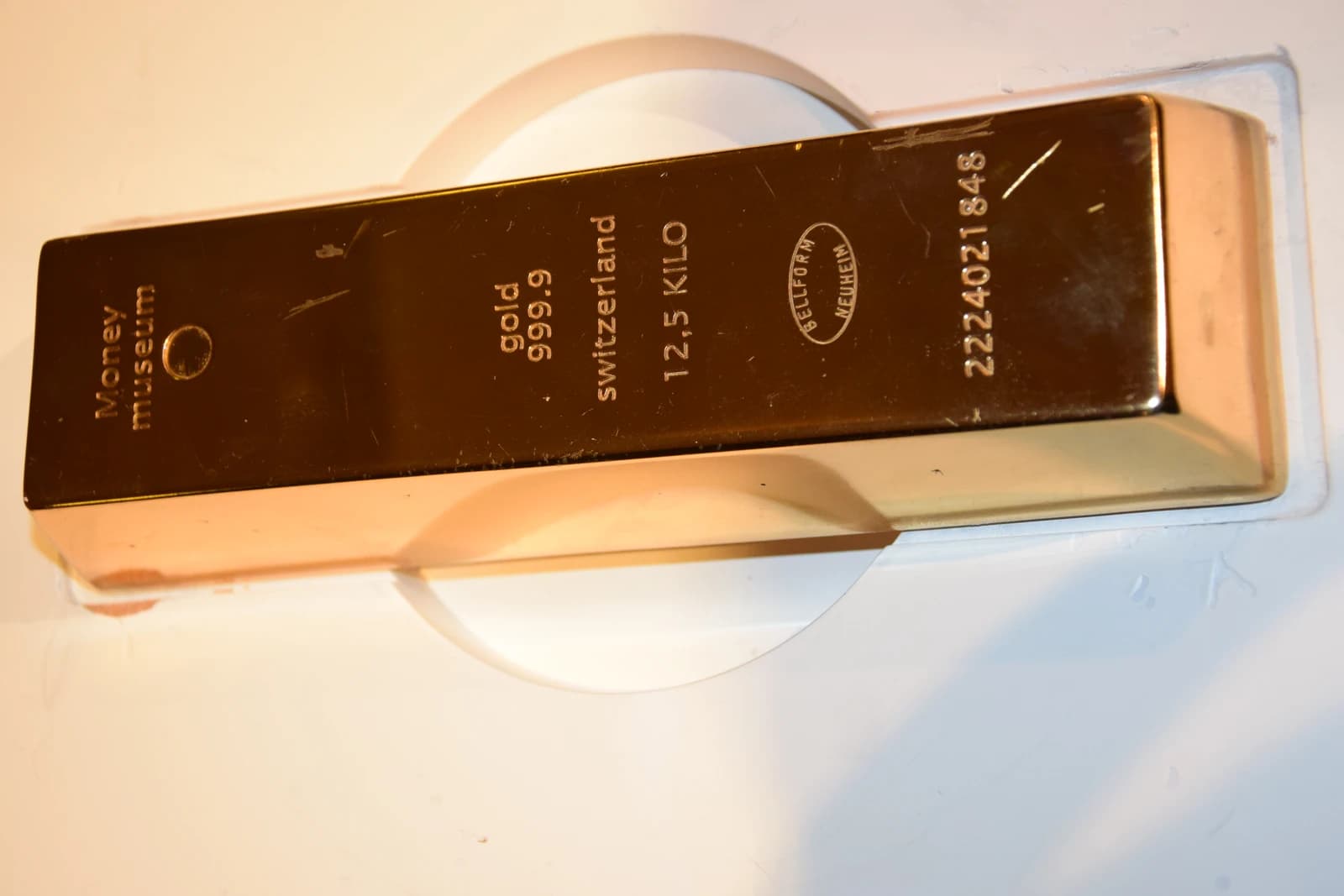
In New Delhi’s bullion market, 99.9% pure gold fell Rs 1,900 to Rs 1,46,100 per 10 grams, while silver slumped Rs 5,500 to Rs 2,02,000 per kilogram, extending a third straight session of declines. Silver is now about Rs 30,000 cheaper than it was on Sept. 30, and has fallen roughly 13% in three weeks, underscoring how quickly the rally in precious metals has reversed.
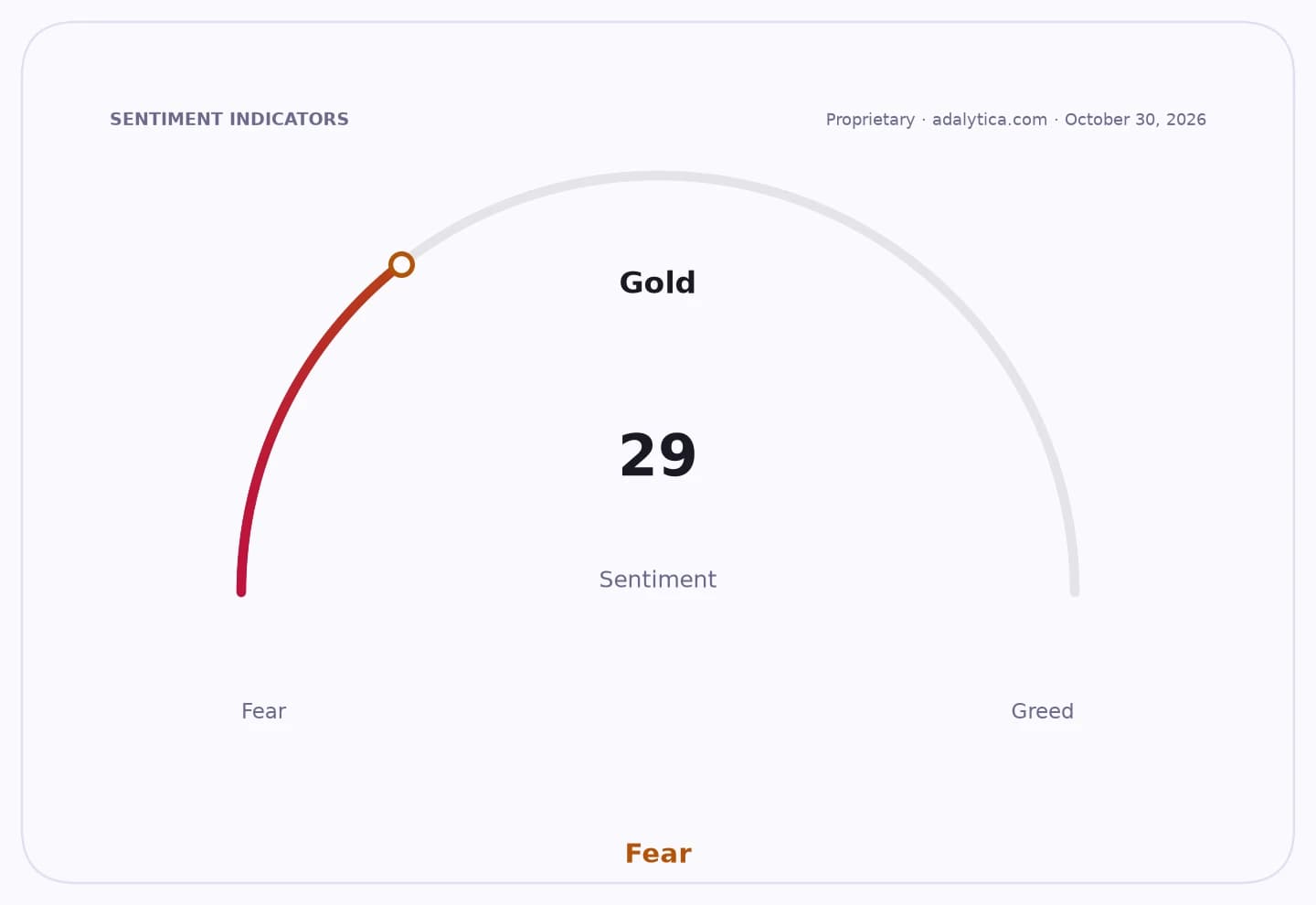
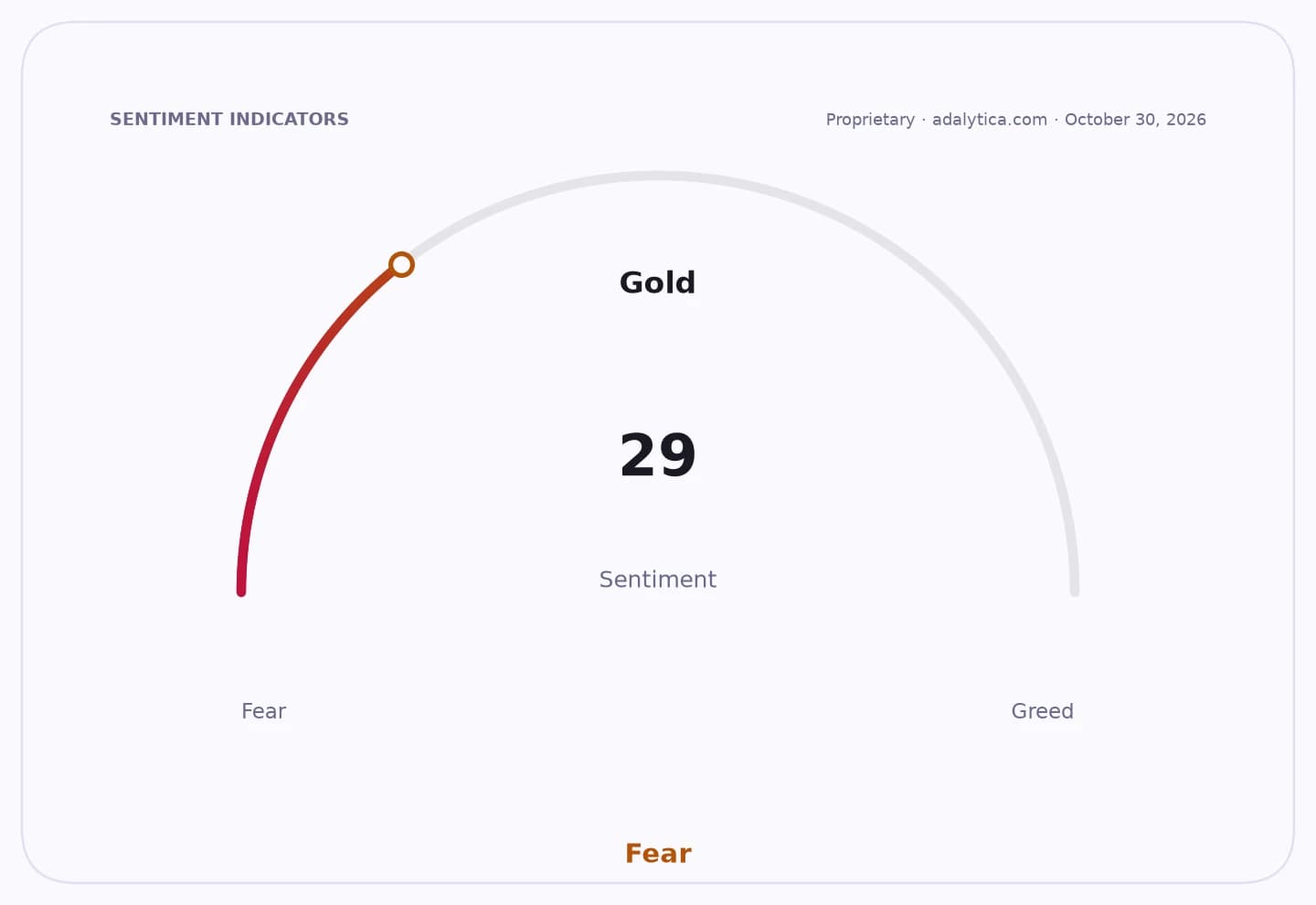
Sentiment Indicators
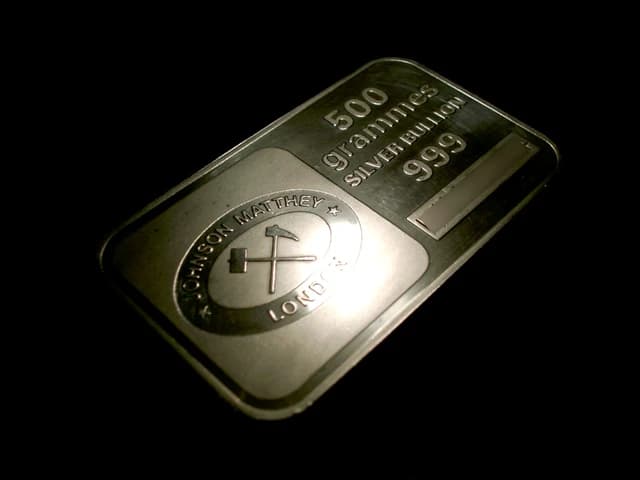
The move is economically important because it reflects a shift in the macro backdrop that had previously powered bullion higher: a stronger dollar, rising bond yields and renewed inflation concerns tied to firmer crude oil prices. Those forces tend to keep interest rates elevated for longer, which reduces the appeal of non-yielding assets such as gold and silver. For India, where bullion is both a consumer good and an investment asset, the price break can revive demand, especially around Dhanteras and Diwali, but it also tells you that global risk appetite is rotating away from defensive havens.
Globally, spot gold eased below $4,000 an ounce before recovering to $4,024.37, while silver fell 1.41% to $53.83 an ounce. The weakness comes as investors have sold precious metals to cover losses elsewhere, particularly in technology shares, a reminder that metals are not trading in isolation but as part of a wider deleveraging across asset classes.
The pressure is visible in the exchange-traded funds that track the sector. Gold-related fund GLD has dropped to 355.78, with its 14-day RSI at 26.5, a level that typically suggests the move has become stretched to the downside. Silver ETF SLV has been hit even harder, sliding to 44.6 with RSI at 18.8, while miners-focused GDX fell to 77.09. That combination points to a market that is aggressively pricing out the peak-bullion trade rather than merely pausing it.
For investors, this is where the opportunity begins to separate from the noise. The immediate trade is caution on momentum names tied to bullion, including miners and silver-linked funds, because forced selling can persist when macro conditions remain tight. But for long-term allocators, the pullback may improve the entry point into strategic gold exposure if the market is overestimating how long real yields can stay elevated. If crude oil stays firm and geopolitical risks remain unresolved, bullion can quickly regain its safe-haven bid.
The next catalyst will be whether the dollar and Treasury yields keep rising or whether growth fears force a reversal in risk assets. If the selloff in equities deepens, gold and silver could stop falling and reclaim their defensive role. For now, the message is clear: the precious-metals trade is under pressure, but for patient investors, that is exactly when the best asymmetric setups tend to emerge.
| Entity | Gains | Losses |
|---|---|---|
| Jewelry buyers | ▲Lower festive prices | ▼Less upside from prior inventory holds |
| Bullion sellers | ▲Potential volume pickup | ▼Lower near-term realizations |
| Gold investors | ▲Possible better entry point | ▼Momentum losses |
| Silver miners/ETFs | ▲None | ▼Sharper drawdown |