Gold is losing some of its shine relative to silver as investors weigh storage, taxes and price swings against the traditional appeal of bullion as a portfolio hedge.
Gold vs Silver for UK Investors

The choice between the two precious metals is increasingly less about which will “win” and more about what role each is meant to play. Gold remains the preferred reserve-like asset for wealth preservation, while silver offers cheaper entry and greater sensitivity to industrial demand — but with more volatility and less efficient ownership for UK buyers.
Sentiment Indicators
That distinction matters at a time when macro conditions are still supportive of hard assets but far from straightforward. US 10-year yields have climbed back to around 5%, inflation is still running above the Federal Reserve’s target, and the dollar has been under pressure. Those forces tend to keep precious metals in focus, yet they do not affect gold and silver in the same way. Gold is driven primarily by monetary policy, currency moves and central-bank buying. Silver, by contrast, also trades as an industrial metal tied to electronics, solar and manufacturing activity.
The market action reflects that split. GLD, the main gold exchange-traded fund, has fallen to about $372.28 after trading near $490 in early March, leaving it below both its 50-day and 200-day moving averages. Silver has been hit harder: SLV is down to $49.16 from a late-December peak above $71, while SIVR is at $51.70. Both silver funds remain well below their longer-term trend lines, and their relative weakness underlines how quickly the metal can unwind when growth expectations soften or speculative positioning gets washed out.
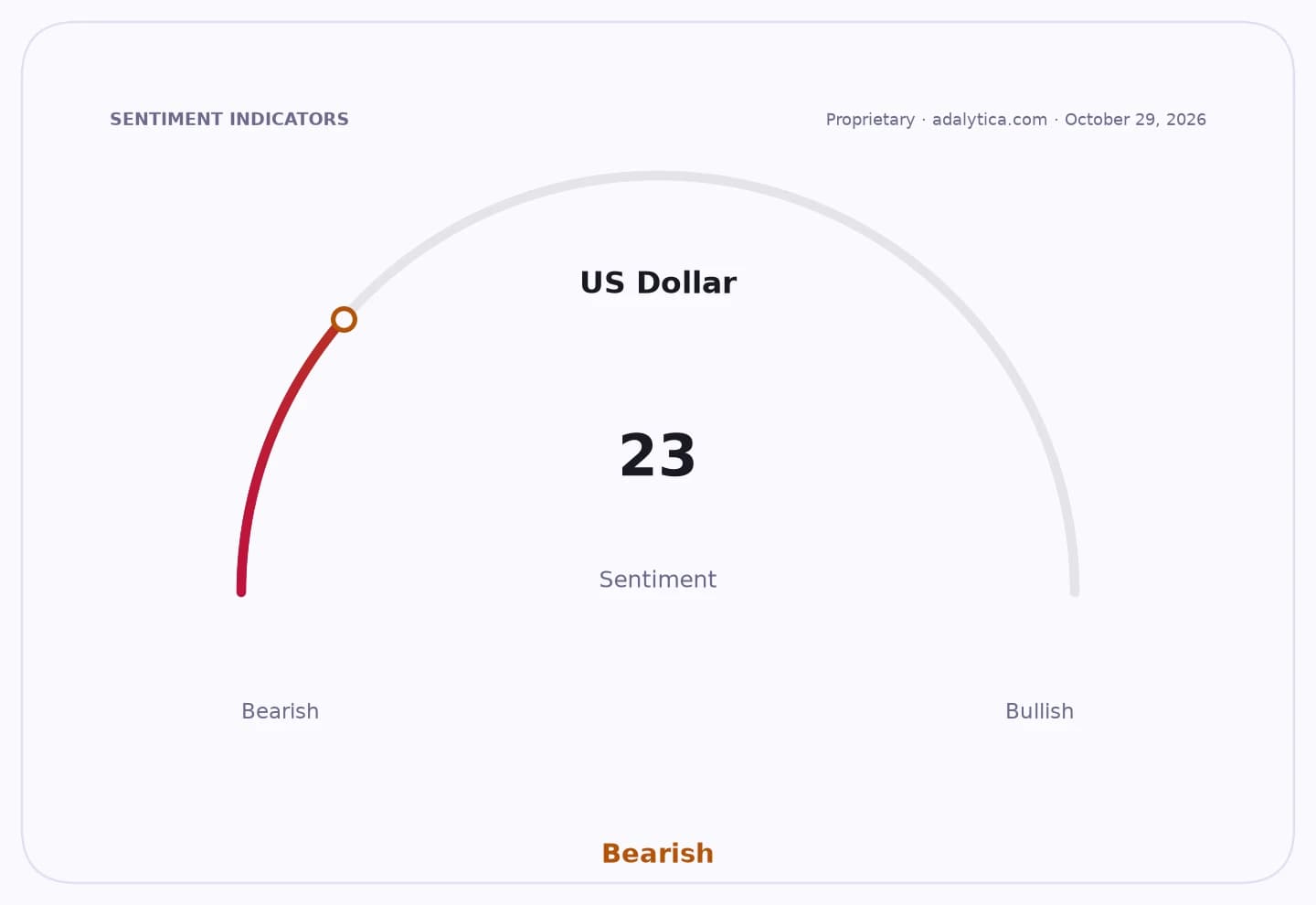
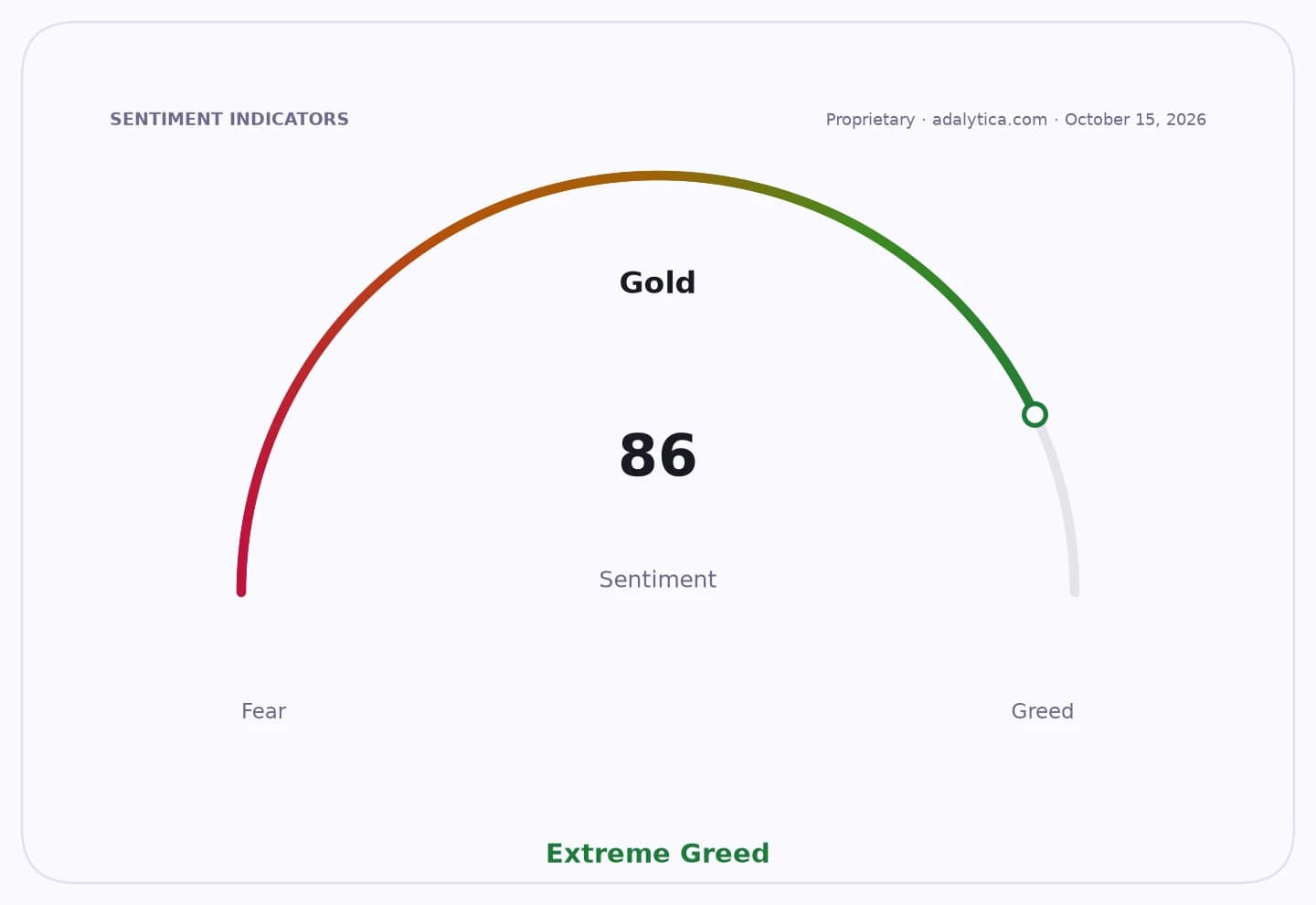
Adalytica’s Gold Fear & Greed Index shows sentiment at zero, an “Extreme Fear” reading, while its US dollar signals point to fear as well. That combination usually supports the long-run case for bullion, but it can also mean investors are de-risking rather than adding exposure. For gold, the question is whether this is a pause in a broader hedging cycle. For silver, it is whether industrial demand can justify the metal’s higher beta.
The practical case for gold remains stronger for most UK investors. It concentrates more value into a smaller physical footprint, is easier to store and insure, and generally trades with lower volatility than silver. Qualifying investment gold is also typically exempt from UK VAT, while physical silver bought by private investors is generally subject to VAT. That tax gap can materially change the economics of ownership even before dealer spreads and storage charges are counted.
Silver can still make sense, particularly for investors looking for a lower nominal price per ounce or for exposure to industrial demand linked to electrification and solar manufacturing. But that same industrial linkage makes it a less pure store of value. When manufacturing expectations weaken, silver can fall even if gold holds up. In that sense, silver is not a cheaper substitute for gold so much as a different asset class with a precious-metals label.
For investors, the key issue is not which metal is “better” in isolation, but which balance of liquidity, volatility and tax efficiency fits their objective. Gold is the cleaner hedge; silver is the more cyclical bet. With US rates still elevated and the dollar softening, both metals retain a macro tailwind, but the recent price action suggests gold is still the steadier safe-haven trade while silver is the higher-risk expression of the same theme.
| Entity | Gains | Losses |
|---|---|---|
| Gold investors | ▲Lower volatility hedge | ▼Less upside leverage |
| Silver investors | ▲Lower entry price | ▼Higher volatility and VAT |
| UK bullion buyers | ▲Tangible diversification | ▼Storage and dealer costs |
| Industrial users | ▲Cheaper input if silver weakens | ▼Higher costs if demand rebounds |