Brazil is becoming the dominant air gateway to South America, capturing 40% of all international tickets sold to the region in the first quarter and reinforcing a tourism rebound that is already feeding through to airlines, hotels and regional infrastructure.
Brazil tourism gains 40% of South America tickets
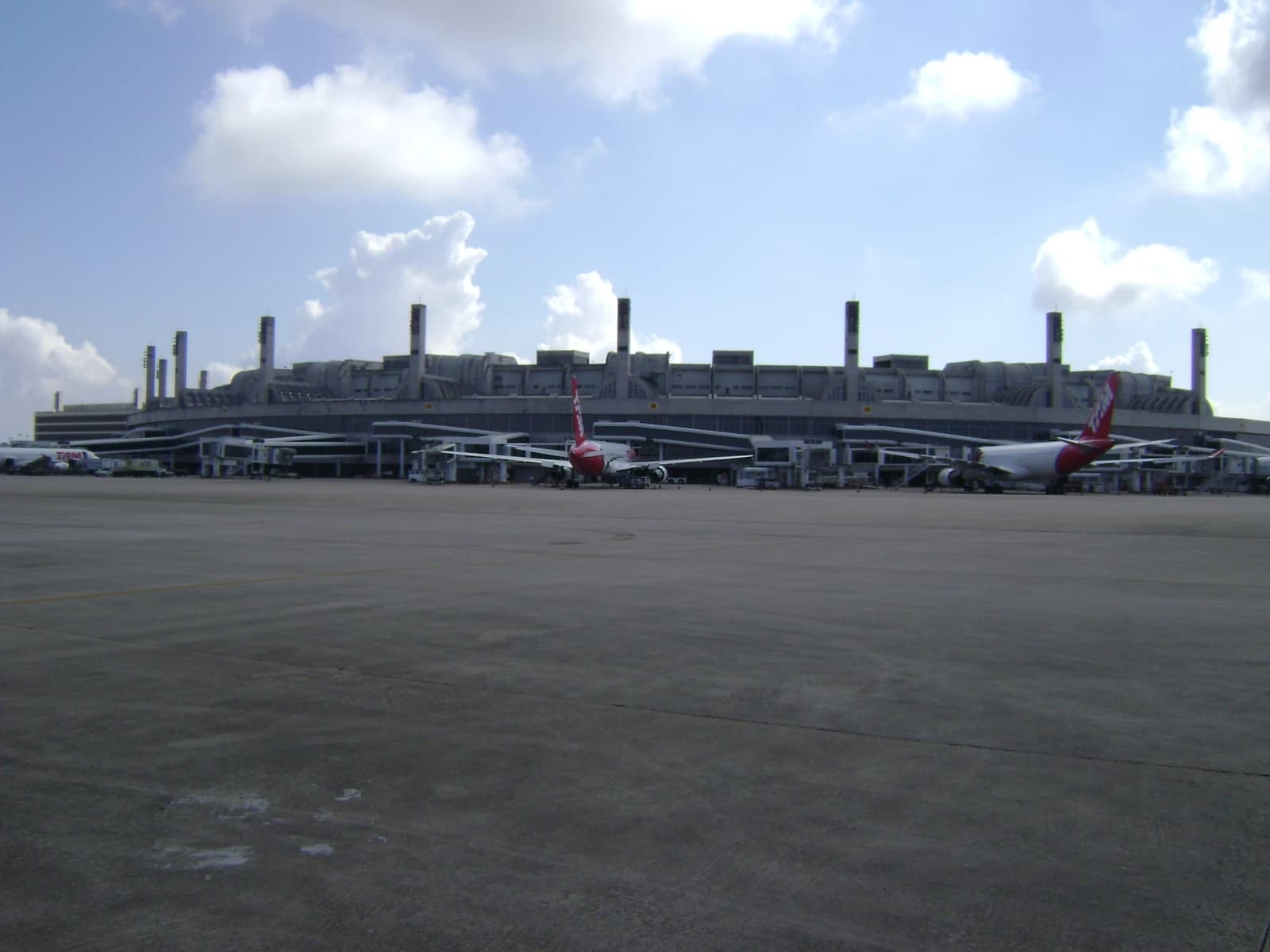
That share matters because travel demand is one of the cleanest leading indicators of consumer confidence, foreign-currency inflows and local services activity. A 16% jump in foreign-issued tickets to Brazil from a year earlier suggests the country is not just recovering from the pandemic-era slump — it is pulling ahead of its neighbors as a preferred long-haul destination.
Sentiment Indicators
The data, published by Embratur with Brazil’s Tourism Ministry and Braztoa, points to Rio de Janeiro as the main winner, accounting for 38% of bookings and growing 14% year on year. São Paulo followed with 24% of reservations, while Rio Grande do Norte and Rio Grande do Sul posted the fastest growth rates at 73% and 54%, respectively. Pernambuco also stood out as a major recipient of visitors.
For investors, the implication is straightforward: the market may still be underestimating the earnings leverage in Brazilian travel and leisure tied to inbound demand. Airlines, airport operators, hotel groups and tourism-linked consumer businesses can all benefit if this trend extends into the rest of 2026, especially as global travelers increasingly use online tools and artificial intelligence to plan trips and search for authentic, wellness-oriented experiences.
The opportunity is not just cyclical. Brazil’s scale gives it a network effect in regional aviation, and that can support higher load factors, stronger pricing power and better returns for carriers with exposure to international traffic. Azul, whose shares have been volatile, remains a high-risk way to play the rebound, while broader beneficiaries include airport and tourism infrastructure names leveraged to arrivals growth rather than domestic spending alone.
The narrative here is bigger than a tourism headline. Brazil is turning inbound travel into a structural growth engine, and that creates a second-order trade: more visitors, more capacity, more routes and more capital chasing the businesses that sit behind the country’s expanding role as South America’s entry point. Investors looking for asymmetric exposure should focus on the picks-and-shovels of Brazilian tourism before consensus catches up.
| Entity | Gains | Losses |
|---|---|---|
| Brazil tourism sector | ▲Higher inbound demand | ▼None in the near term |
| Azul | ▲More international traffic | ▼Cost pressure if capacity rises too fast |
| Rio de Janeiro | ▲Booking leadership | ▼Smaller regional rivals |
| South American competitors | ▲Spillover traffic pressure | ▼Share of regional arrivals |