Brazil and Portuguese authorities are racing to build a logistics corridor for more than 200 tons of European donations bound for flood-hit Rio Grande do Sul, a reminder that disaster relief in Brazil is now an industrial-scale transport problem as well as a humanitarian one.
Brazil Aid Logistics for Rio Grande do Sul

That matters economically because the bottleneck is no longer willingness to donate — it is how quickly aid can be sorted, cleared and moved through a supply chain stretched by one of the worst weather disasters in the state’s history. Brasília is already using the Air Force, the Army, airlines and shipping firms to move relief, while customs authorities have carved out simplified import procedures and tax exemptions for foreign donations. The government has also suspended restrictions on used goods for 30 days, a sign that speed has overtaken normal trade rules.
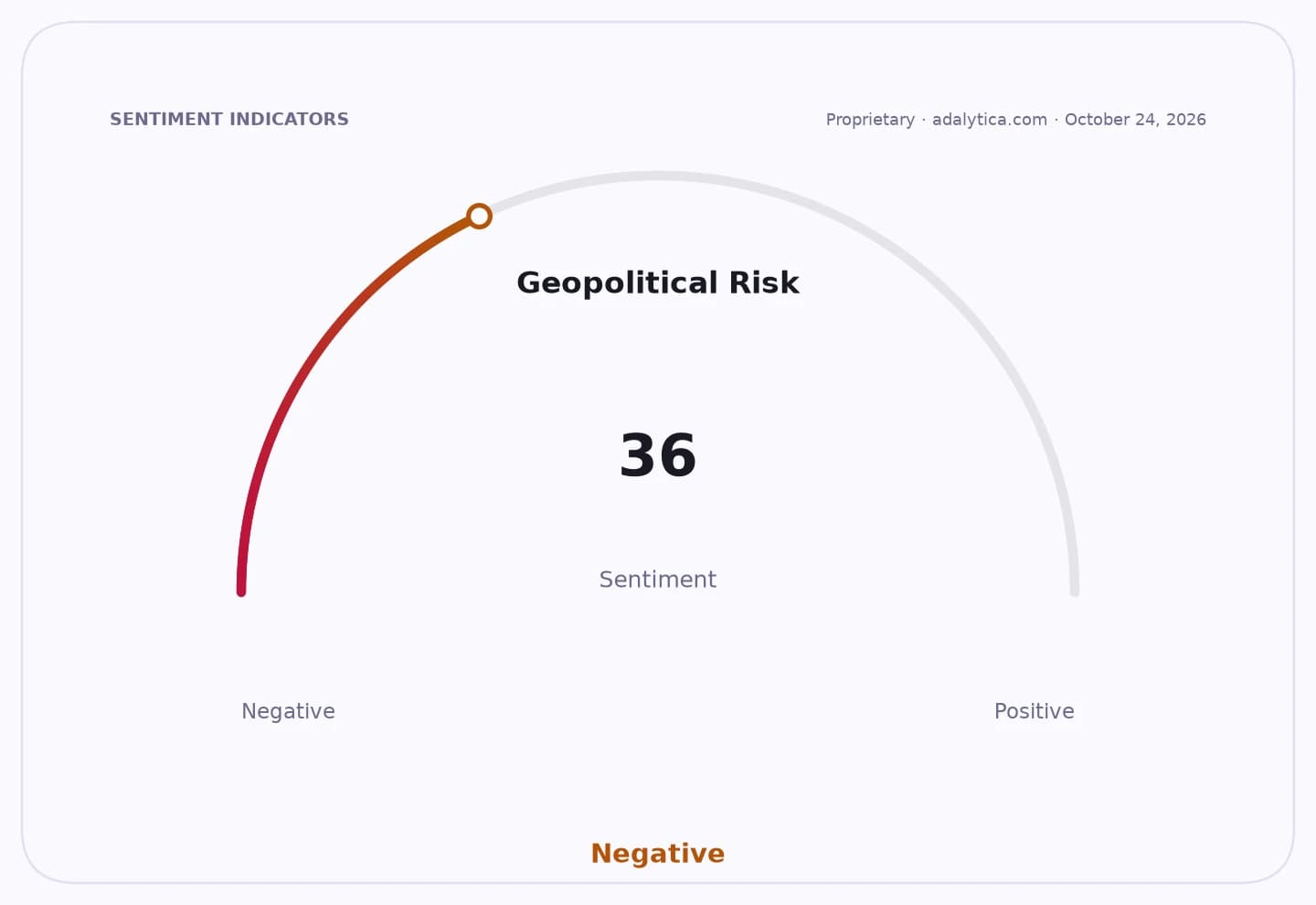
Sentiment Indicators
For investors, the immediate implication is that Brazil’s emergency response is leaning on the same transport, logistics and infrastructure networks that matter in broader recovery spending. The state of Rio Grande do Sul will need not just food and medicine, but machinery, medical equipment and eventual rebuilding materials, creating a second-order tailwind for ports, airlines, freight operators and industrial suppliers. The push to prioritize medicines and medical gear by air also underscores how scarce capacity gets reserved for the highest-value and most time-sensitive cargo.
The scale of the domestic response shows why the aid pipeline matters. Brazil’s Air Force says it can move 167 tons internally to Canoas in the same time it would take to dispatch one aircraft to Portugal and back, which helps explain why officials are trying to avoid a wasteful long-haul diversion. The military and army already sent 427 tons of food in one day last weekend, while embassies in Lisbon and Brazilian consulates are separating donations by category and checking expiry dates before shipment.
The broader narrative is that the Rio Grande do Sul disaster is turning into a test of Brazil’s crisis logistics and its ability to mobilize international solidarity quickly. If authorities keep cutting bureaucracy, the fastest beneficiaries should be the operators that can move, clear and distribute aid at scale. For investors, the takeaway is simple: recovery spending in Brazil rarely arrives as one clean trade, but it almost always creates winners in transport, infrastructure and essential services before it reaches the broader economy.
| Entity | Gains | Losses |
|---|---|---|
| Brazilian Air Force / logistics network | ▲Higher operational relevance | ▼Capacity strain |
| Airlines and shippers | ▲Relief cargo demand | ▼Normal routing flexibility |
| Medical suppliers | ▲Faster priority dispatch | ▼Delayed nonessential cargo |
| Rio Grande do Sul residents | ▲Quicker aid flow | ▼Continued disaster losses |