Pará state revenue inspectors seized loads of aviation kerosene, cattle and wheat flour in two roadside checks, underscoring how tax enforcement on Brazil’s northern transport corridors can alter the flow of fuel and agricultural goods while protecting state revenue.
Pará tax inspectors seize fuel cattle and wheat
The biggest immediate economic issue is not the goods themselves but the enforcement of ICMS collection and compliance rules on freight moving through Pará’s key arteries. In Novo Progresso, inspectors stopped a tanker carrying 13,228 liters of aviation kerosene from Mato Grosso and identified a mismatch between the declared shipment and its final destination. Officials said the fuel was ultimately headed for aircraft used in aerial survey services inside Pará, which triggered a R$43,113.49 tax-and-penalty notice before the cargo was released.
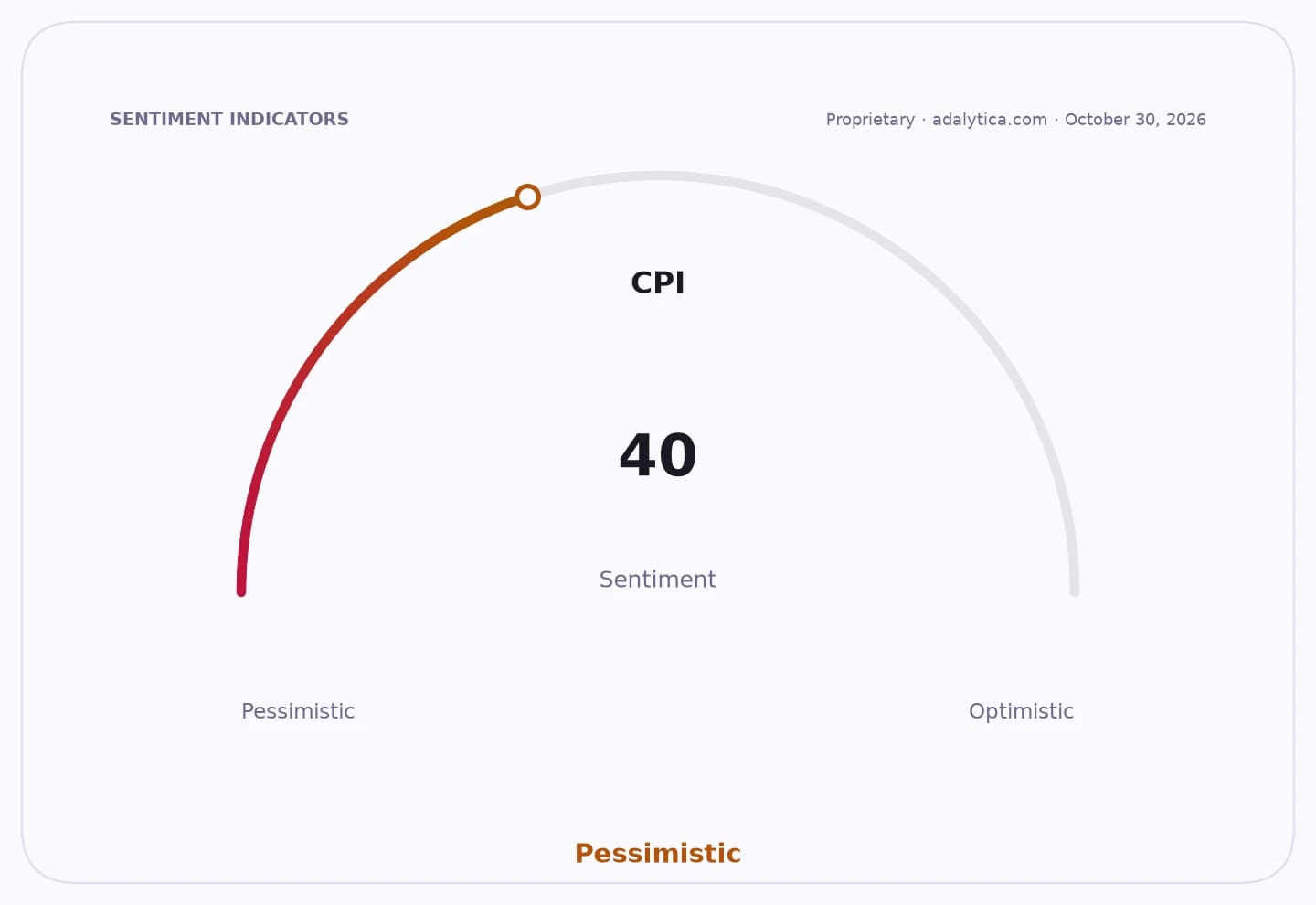
Sentiment Indicators
That matters because aviation fuel, livestock and flour are all high-turnover items in a region where logistics costs, tax treatment and paperwork determine margins. For fuel distributors and users, the case shows that the state is scrutinizing substitution-tax obligations on QAV more closely, especially when cargo is routed through long-haul interstate corridors. For agribusiness and food distributors, the inspections raise the cost of moving cattle and wheat into Pará if recipient firms are not properly registered or are suspended.
In Cachoeira do Piriá, inspectors detained a truck carrying 80 calves from Maranhão after finding that the destination company in Pará was suspended from the state registry. The load was valued at R$96,000 and released only after the R$9,408 assessment was paid. A separate 32-tonne wheat shipment from Ceará, valued at R$237,568, was also seized after authorities said the receiving company had been suspended because it could not be located at the registered address. The tax notice in that case totaled R$47,228.52.
The pattern is economically relevant because Pará sits on strategic routes linking Brazil’s Center-West, Northeast and Amazonian markets. Any disruption in compliance at these junctions can delay deliveries, add working-capital pressure for traders and distributors, and raise the odds that counterparties will demand stricter documentation before shipping. For legitimate operators, tougher enforcement can level the playing field against informal or underreported trade. For shippers dependent on tight margins, it can also increase transaction costs.
The broader backdrop is a state government leaning more heavily on transit inspections to capture lost revenue from goods moving across borders. That is especially important in a high-freight-cost environment where fuel prices, agricultural flows and food supply chains are sensitive to every extra stop, fee and delay. If inspections stay aggressive, the short-term winners are compliant firms and the state treasury; the losers are operators relying on weak paperwork, suspended registrations or misdeclared routes.
For investors, the episode is a reminder that Brazil’s logistics and commodities businesses face not only demand and price risk but also tax and registry risk. Companies with exposure to fuel distribution, grain handling and livestock transport in northern Brazil may see higher compliance burdens, while states under fiscal pressure are likely to keep using roadside seizures as a revenue tool.
| Entity | Gains | Losses |
|---|---|---|
| Pará treasury | ▲Higher tax recovery | ▼Less revenue leakage |
| Compliant shippers | ▲Fairer competition | ▼Higher compliance burden |
| Fuel, grain and livestock traders with clean paperwork | ▲Faster release of cargo | ▼Lower operating friction |
| Suspended or misdocumented counterparties | ▲None | ▼Seizures, fines, delays |