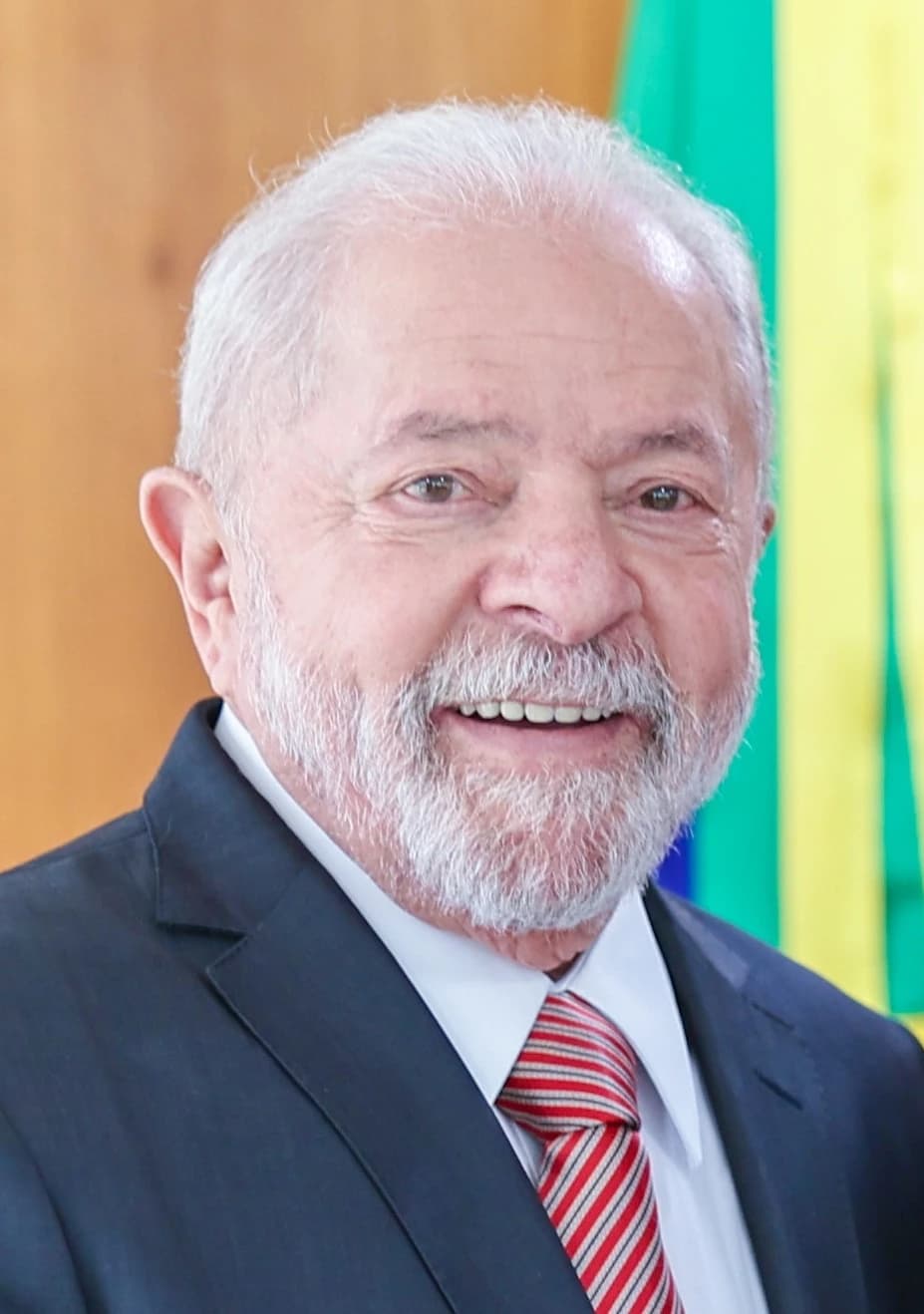
Flávio Bolsonaro sharpened his criticism of President Luiz Inácio Lula da Silva by arguing that rising taxes and inflation are leaving Brazilian consumers worse off, turning the debate over the cost of living into a core political fight with market implications.
Brazil cost-of-living fight targets Lula taxes
His line that Lula “gives with one hand and takes with the other” was aimed at a government already facing scrutiny over how it will finance spending promises, including transport fare relief and a higher minimum wage. The message lands because Brazil’s inflation backdrop remains sensitive for households, while investors are still weighing whether the administration can protect growth without widening the fiscal deficit or pushing up borrowing costs.
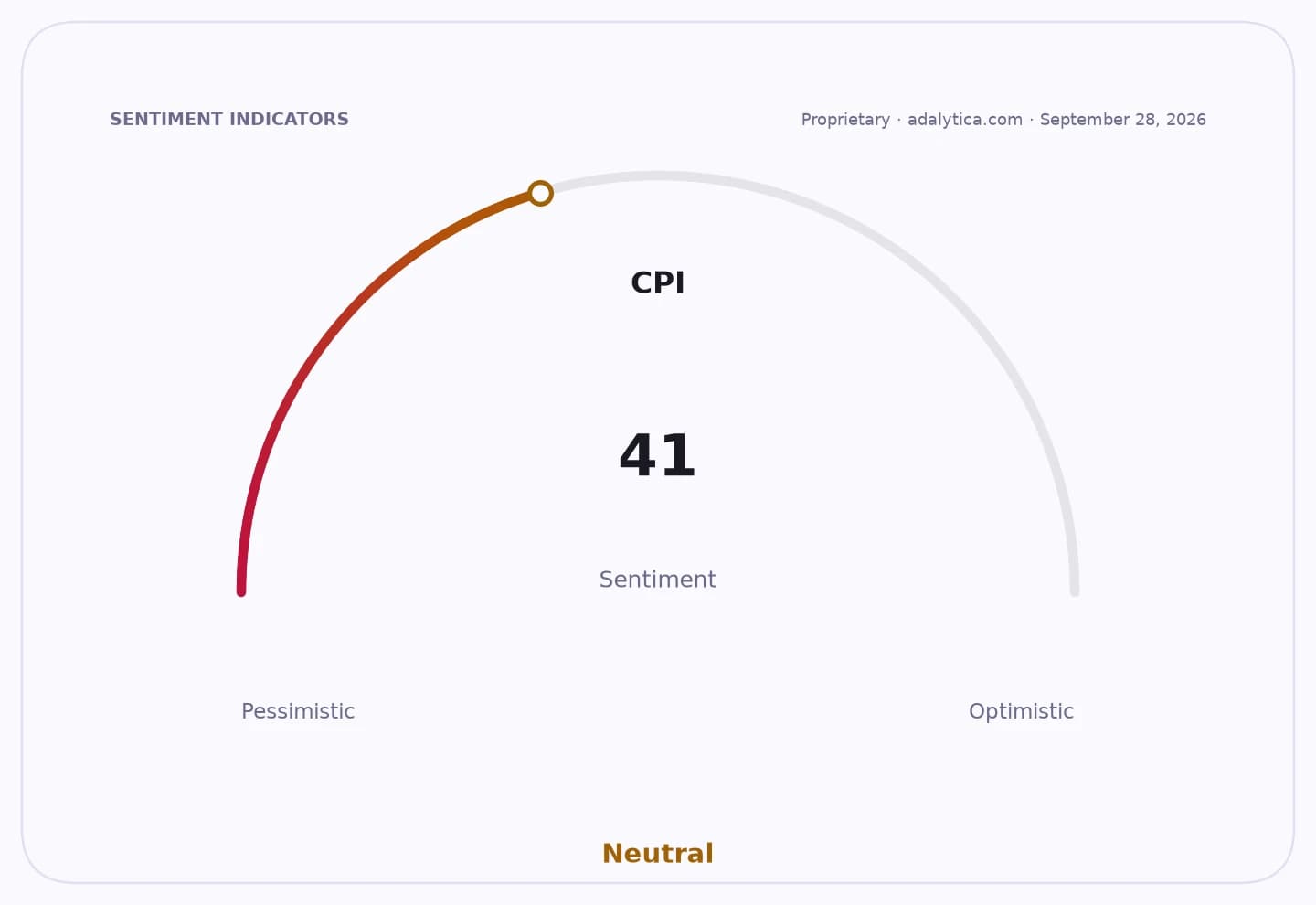
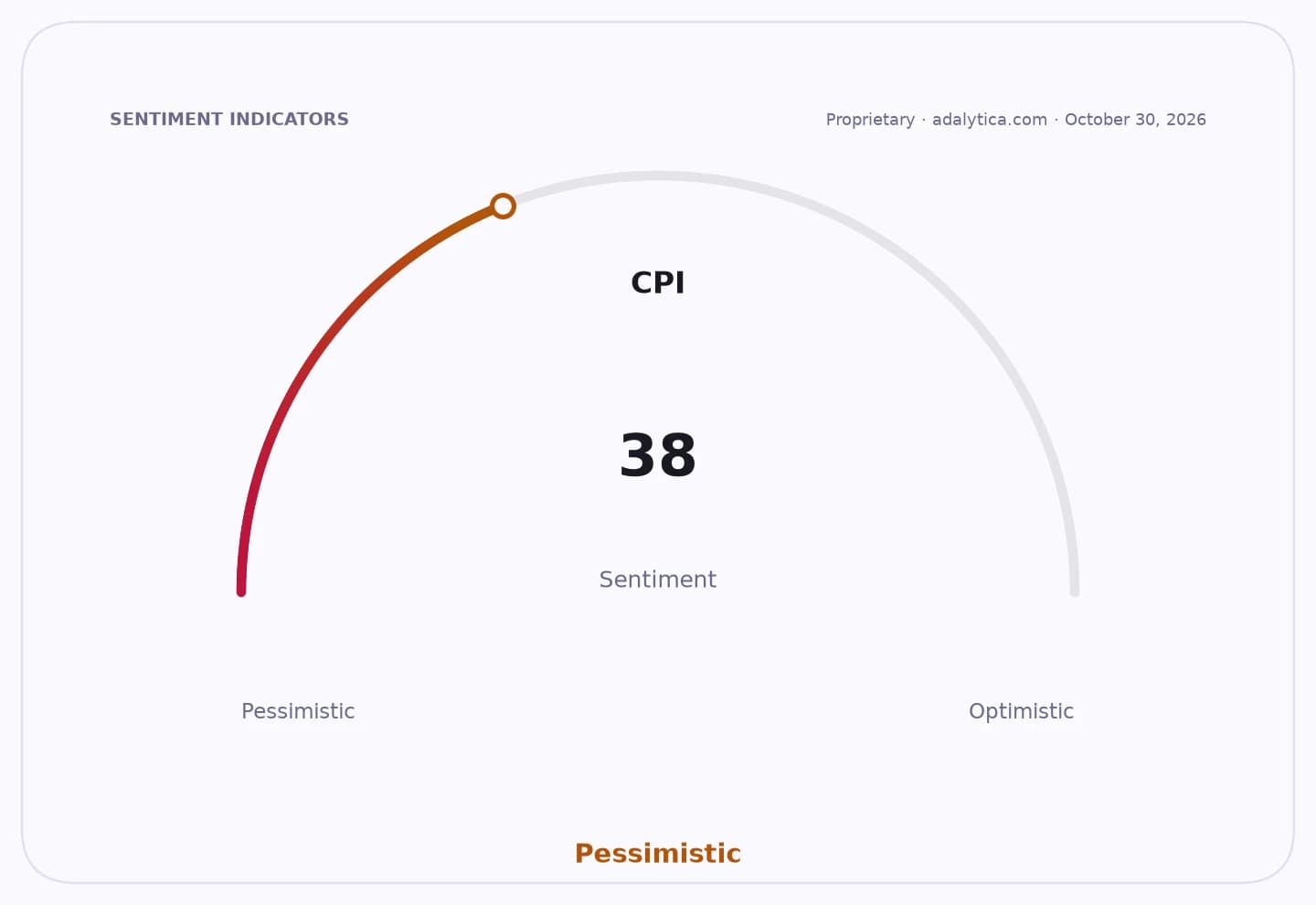
Sentiment Indicators
The economic stakes are straightforward: when inflation is sticky and rates are high, tax hikes and fiscal expansion become more politically costly. Flávio’s remarks framed the Lula government as pushing the burden onto consumers and taxpayers at a time when the economy is already coping with expensive credit and uneven purchasing power. He also tied the argument to the new tax system, warning that the value-added tax structure remains uncertain for businesses and families.
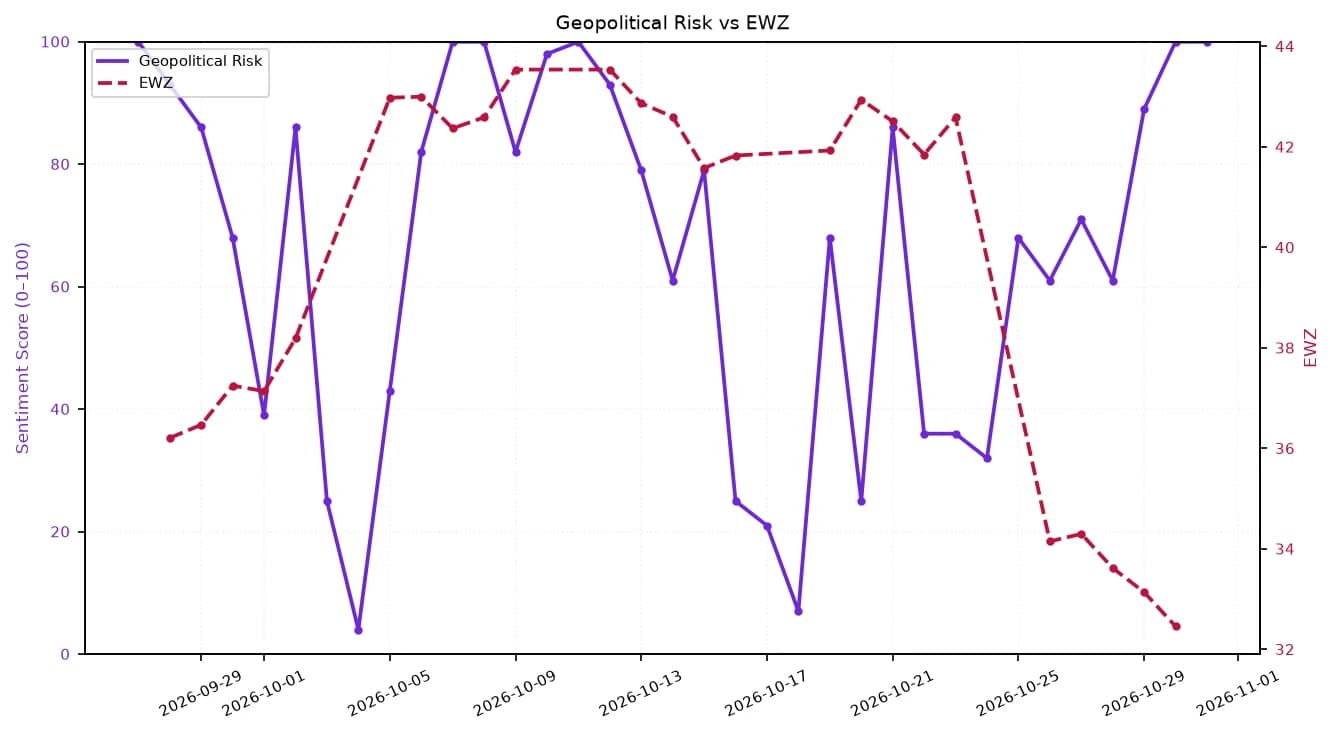
That matters for investors because Brazil’s policy mix shapes everything from consumer demand to the real and local equities. Brazilian assets have been highly sensitive to fiscal credibility, and any perception that the government will lean more heavily on taxes to support spending can keep pressure on the currency and on rate expectations. The trade-off is especially important for sectors exposed to domestic consumption, where higher taxes and weaker real incomes can crimp sales, and for companies reliant on stable financing costs.
The political narrative also has a broader market dimension. Opposition attacks on “product inflation” and the erosion of purchasing power are designed to frame Lula’s second-term agenda as pro-spending but anti-consumer. For markets, the key question is whether the government can defend social policy without aggravating inflation or forcing the central bank to stay restrictive for longer.
With Brazil still balancing inflation, fiscal discipline and growth, the debate over who pays for the government’s agenda is likely to remain a central driver of sentiment toward local assets.
| Entity | Gains | Losses |
|---|---|---|
| Flávio Bolsonaro / PL | ▲Political traction on cost of living | ▼If voters reject the fiscal attack |
| Lula government | ▲Ability to defend social spending agenda | ▼Credibility on inflation and taxes |
| Brazilian consumers | ▲Potential pressure to force policy restraint | ▼Higher prices and taxes |
| Investors in Brazil | ▲Clarity on fiscal-policy risk | ▼Real, local equities, and rate-sensitive assets |