Brazil’s presidential vote is set to deliver Lula da Silva another term, with the incumbent holding 51.27% of ballots counted from 80.02% of votes in the second round, a result that would extend left-leaning rule and calm at least some of the uncertainty that has rattled the country’s markets.
Brazil election nears Lula victory as markets watch
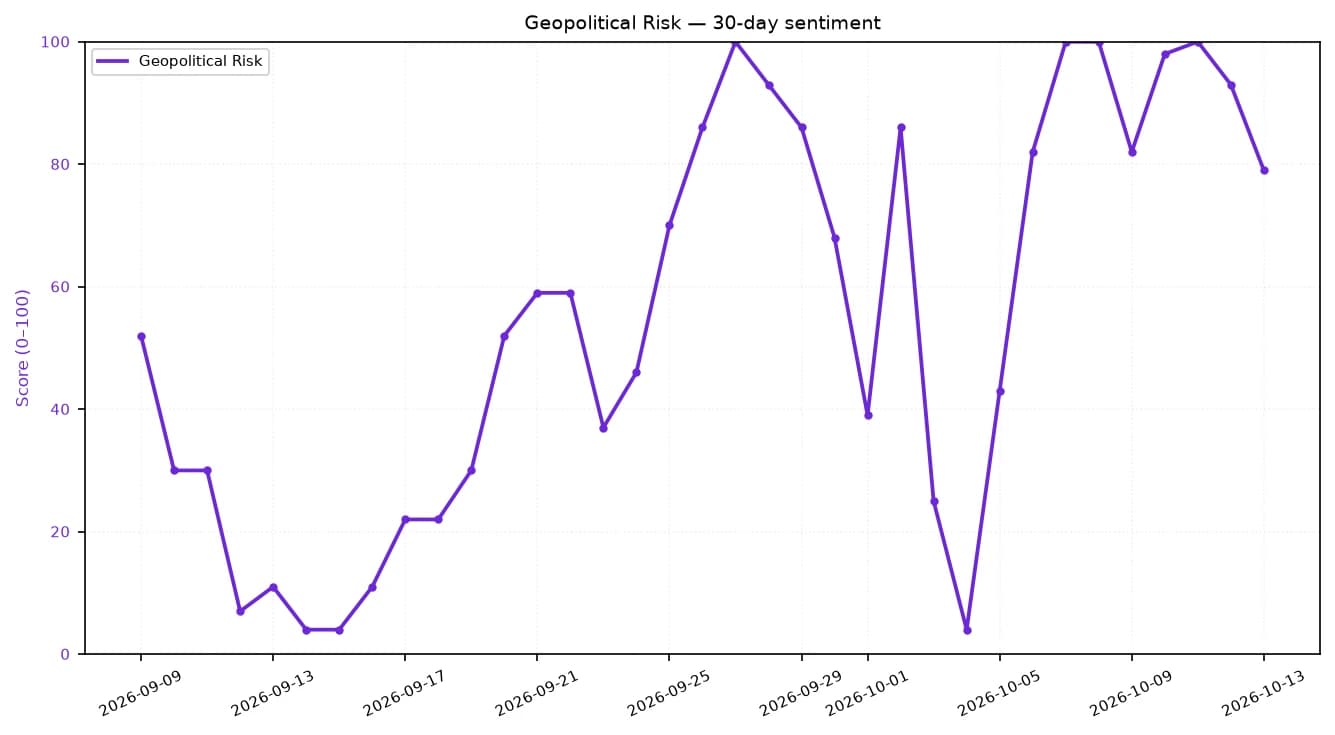
The outcome matters far beyond Brasília because Brazil is Latin America’s largest economy and a major exporter of commodities, with policy on fiscal discipline, state spending and regulation likely to set the tone for the real, local bonds and equities. Political risk around the election has already fed into trading, and companies with Brazil exposure have flagged the vote as a source of volatility for share prices and the currency.
Sentiment Indicators
A Lula victory would also preserve policy continuity at a time when investors are watching whether the government can balance growth with tighter budget constraints. That is particularly important for sectors tied to domestic demand, infrastructure and agriculture, where tax, credit and regulatory decisions can quickly ripple through earnings.
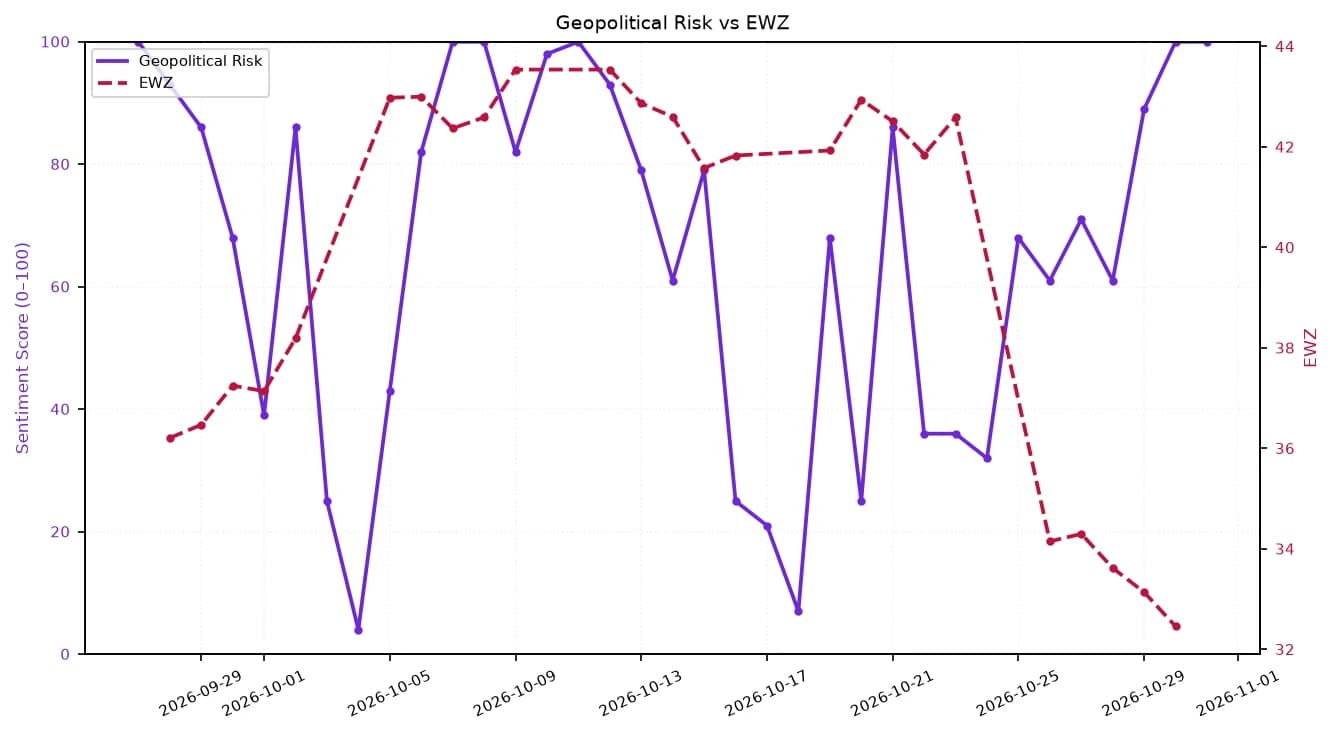
Markets have been primed for a sharp move. The iShares MSCI Brazil ETF, EWZ, has slumped to $32.46 from $42.59 on Oct. 23, with the 14-day RSI plunging to 14.4, a deeply oversold reading, while Brazil’s Bovespa index has fallen to 167,922 from 208,296 on Oct. 20. The real has firmed to 5.38 per dollar, suggesting traders are hedging for a political outcome while keeping an eye on policy continuity.
With the result now taking shape, investors will focus on cabinet picks, fiscal signals and any shift in the government’s stance toward spending, state companies and the central bank. The next catalyst is how quickly Lula translates the win into a market-friendly agenda.
| Entity | Gains | Losses |
|---|---|---|
| Lula da Silva | ▲re-election mandate | ▼Bolsonaro camp |
| Brazilian markets | ▲policy clarity | ▼election uncertainty |
| Real and local assets | ▲continuity trade | ▼volatility premium |
| EWZ shorts | ▲downside momentum | ▼oversold rebound risk |