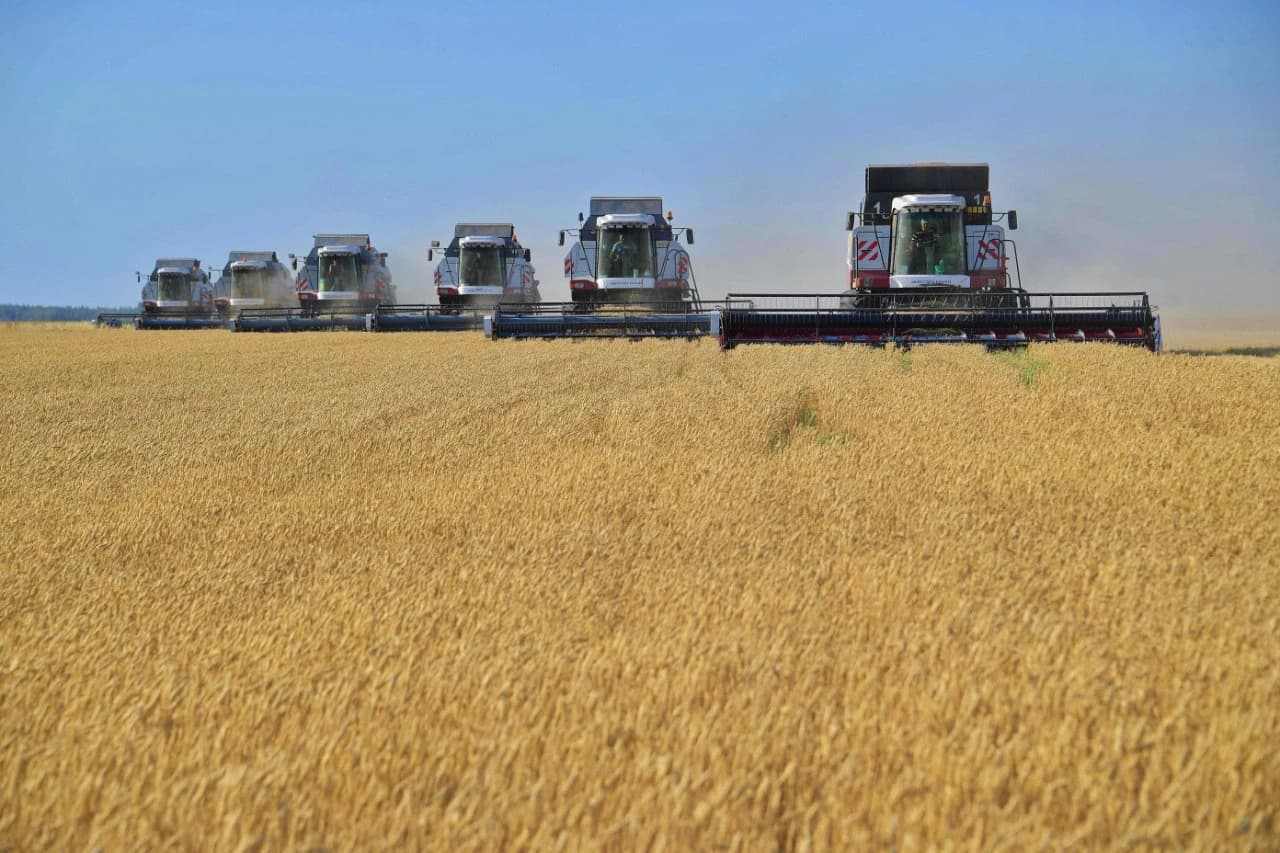
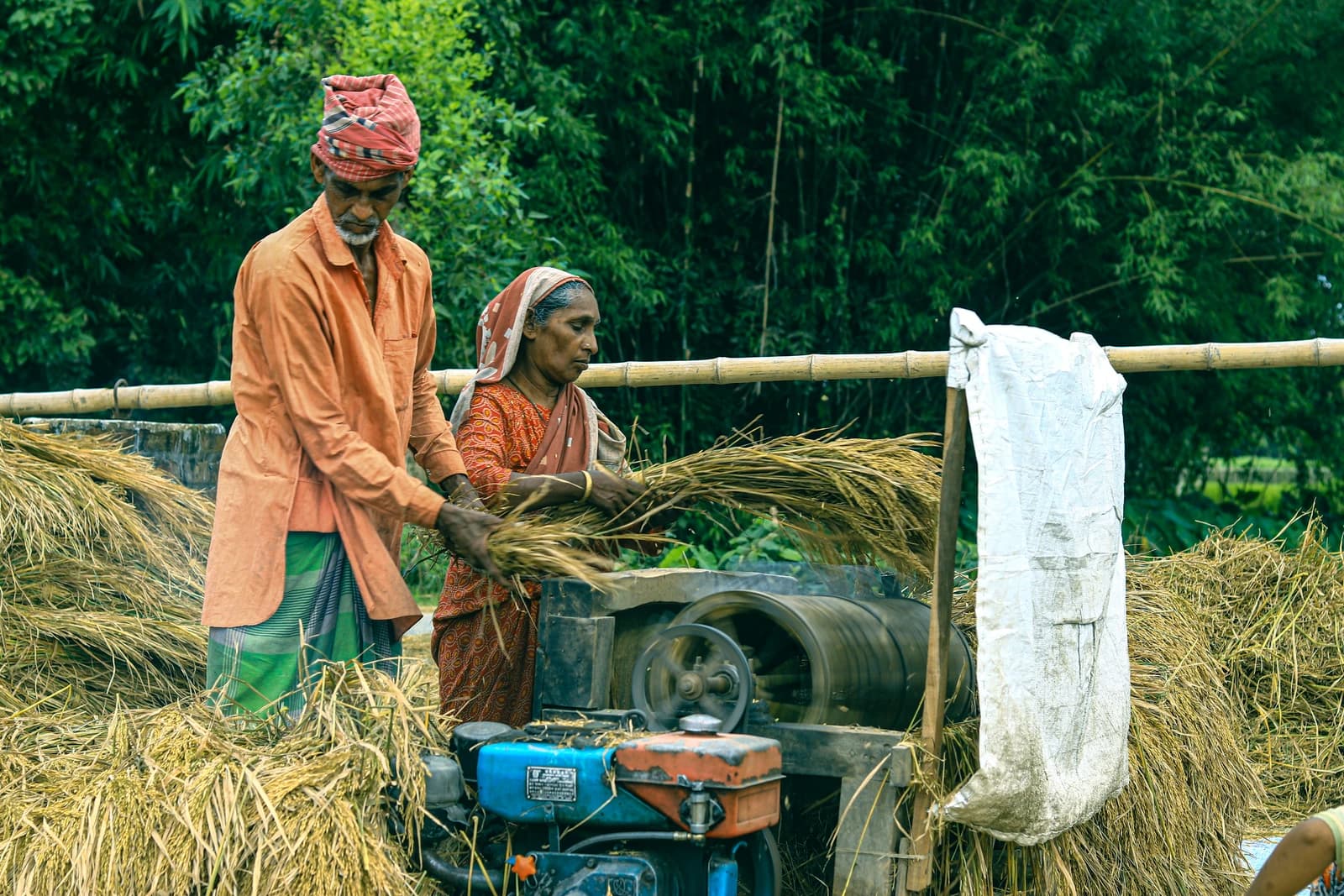
Iraq’s Integrity Commission has removed the assistant director of the Al-Ishaqi Grains Complex after accusing him of bargaining with farmers in exchange for marketing wheat, a move that puts corruption in the country’s grain procurement chain back under scrutiny.
Iraq Integrity Commission Removes Grains Official
The case matters because wheat purchasing in Iraq is not just a commercial transaction but a food-security issue tied to state support, rural incomes and public trust in the distribution system. Any hint that access to official grain channels can be traded for favors raises the risk of distorted procurement, higher leakage and weaker oversight at a time when governments across the region are trying to protect staple supplies.
For farmers, the allegations point to a system where access to marketing routes can depend on informal payments rather than formal rules. For the state, that creates a direct fiscal cost: corruption in grain buying can inflate procurement expenses, undermine quality controls and complicate efforts to manage strategic wheat stocks.
The news also lands in a broader grain market already shaped by political pressure and uneven exports. Kazakhstan says it is ready to raise grain shipments, Ukrainian wheat prices are falling under tightening controls, and Russia is moving to support its producers after exporters reported losses, underscoring how politics and state intervention continue to drive trade flows.
For investors, the immediate market impact is limited, but the story reinforces the premium on supply-chain integrity in staple crops and the volatility risk around Black Sea and regional grain trade. Any widening of corruption probes or procurement disruption could ripple through local prices, logistics and import dependence, especially if tighter oversight slows deliveries or triggers further administrative changes.
The next focus is whether Iraqi authorities broaden the investigation and whether the case leads to wider reforms in grain buying and storage management ahead of the next procurement cycle.
| Entity | Gains | Losses |
|---|---|---|
| Iraqi Integrity Commission | ▲Anti-corruption credibility | ▼Administrative fallout |
| Farmers using formal channels | ▲Fairer access | ▼Bribe-based gatekeeping ends |
| Iraqi grain buyers and consumers | ▲Better oversight | ▼Short-term procurement disruption |
| Al-Ishaqi complex official network | ▲None | ▼Scrutiny, possible sanctions |