Indonesia is moving to shore up its eastern logistics network as officials warn that broken ports, damaged ships and weak cold-chain storage could quickly turn supply bottlenecks into higher food prices across Sulawesi, Maluku and Papua.
Indonesia eastern logistics plan targets food inflation
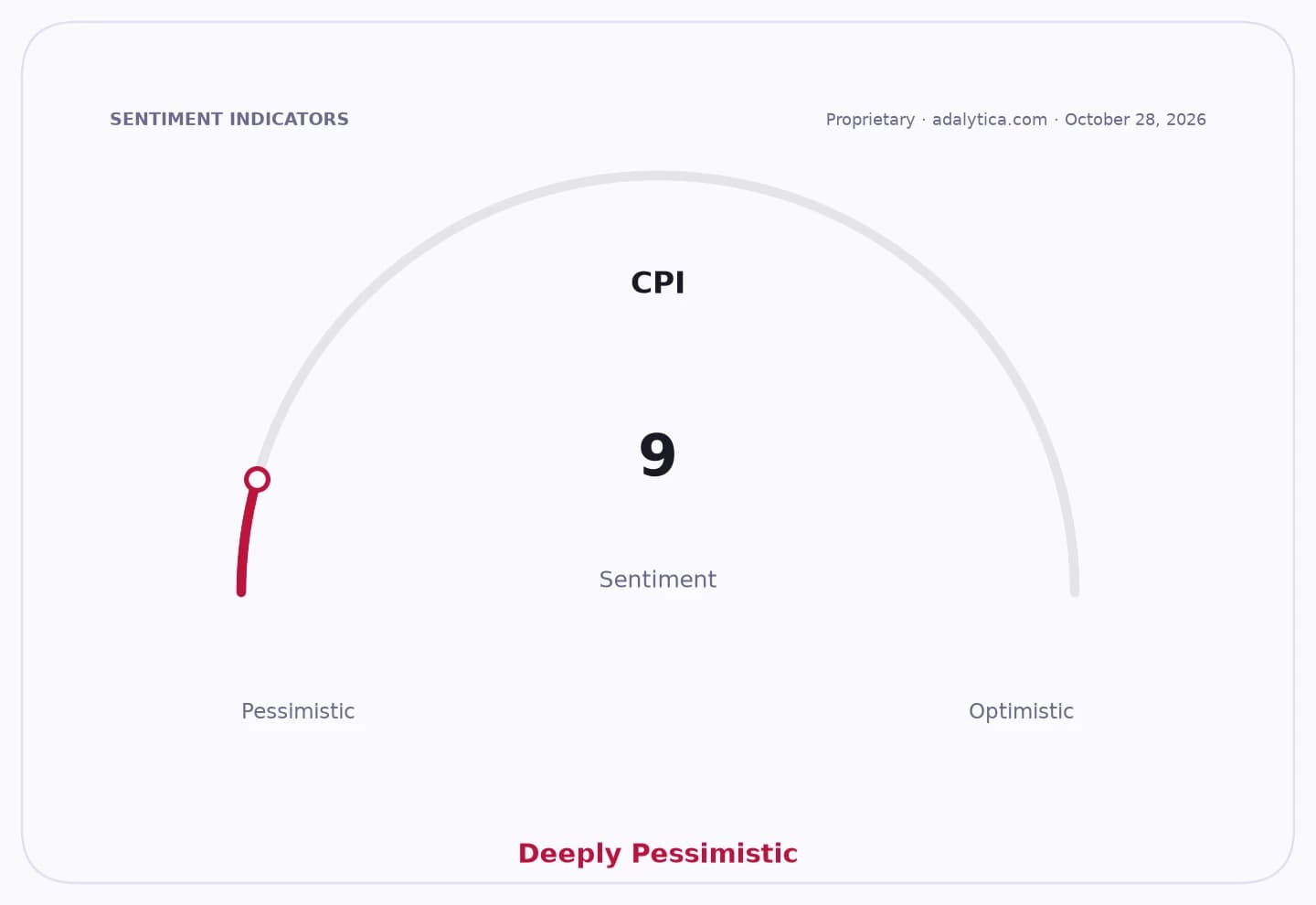
CPI
That matters because the eastern provinces are more dependent on sea transport than Java and other more connected parts of the archipelago, making inflation there especially sensitive to disruptions in shipping capacity, port throughput and storage. If food cannot move reliably, even a modest shock can widen price gaps between regions and complicate the central bank’s inflation management.
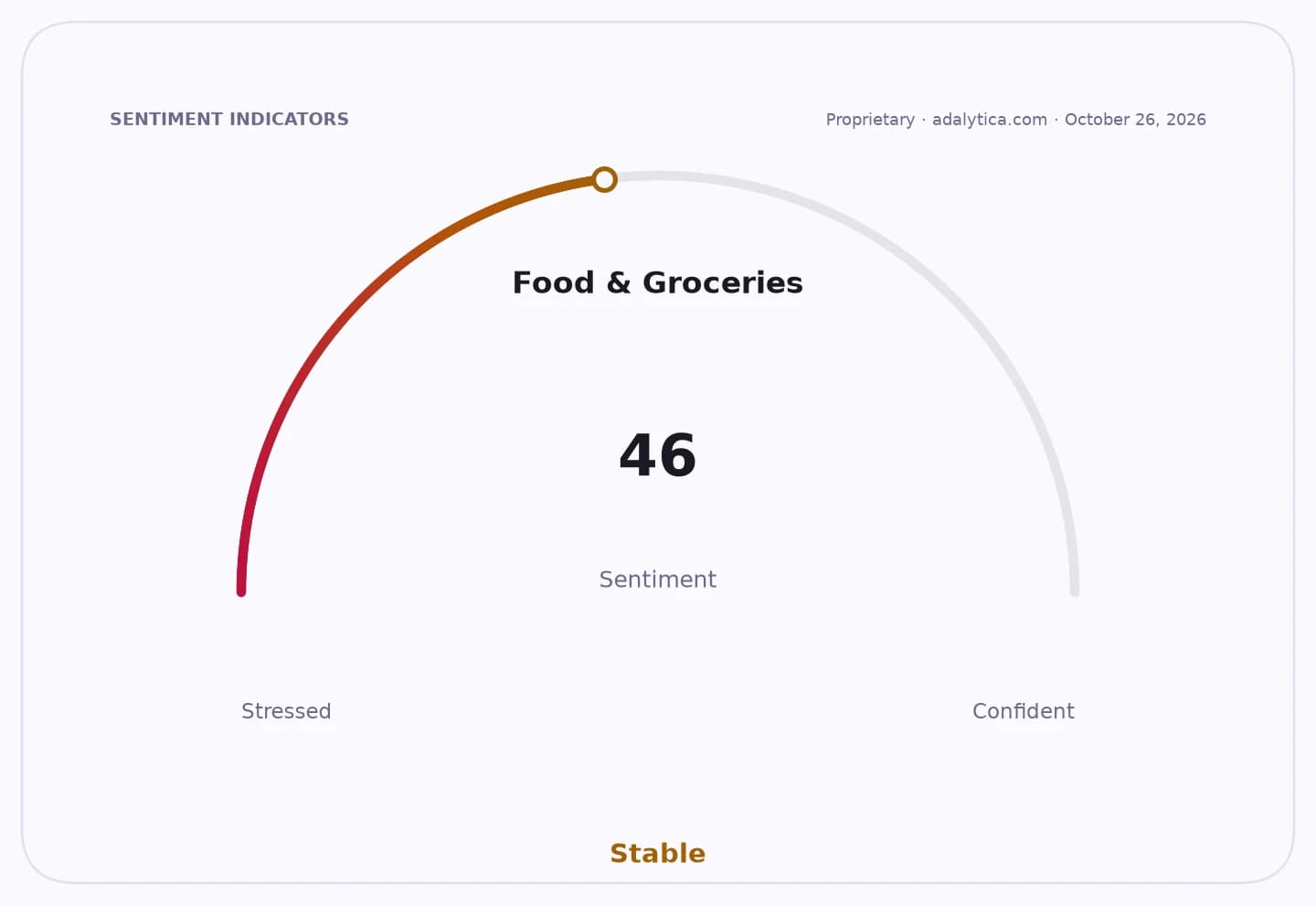
Sentiment Indicators
Deputy Coordinating Minister for Economic Affairs Dradjad Hari Wibowo said at the launch of the 2026 Gerakan Pengendalian Inflasi dan Pangan Sejahtera in Makassar that conventional inflation models can break down if logistics infrastructure fails. “Model-model inflasi di BI itu bisa enggak jalan kalau misalkan Pelindo pelabuhannya terganggu, bisa enggak jalan kalau Pelni kapalnya ada yang rusak,” he said.
The government’s concern is economic, not just operational. In Indonesia’s eastern provinces, food inflation can be driven as much by bottlenecks in distribution as by harvest conditions or demand. That makes ports, ferries, vessel reliability and storage capacity part of the inflation equation, particularly ahead of the year-end holiday period when demand normally rises and supply chains are stretched.
Dradjad said the policy response needs to go beyond macroeconomic calculations and address failures on the ground, including shipping, warehousing and distribution of staple food. The government is leaning on state-linked operators including Pelindo, Pelni, ASDP and Bulog to keep supply chains moving, while also pushing financing for farmers and fishermen, more processing capacity and better market access.
The emphasis on sea connectivity also reflects the region’s economic divergence. Sulawesi’s economy grew 6.95% in the second quarter of 2026, while Maluku-Papua expanded 4.46%, but officials said growth has to be matched by lower logistics costs if it is to translate into more stable prices and narrower regional disparities. Better ports and colder storage could reduce post-harvest losses, improve inventory resilience and help smooth food prices between surplus and deficit areas.
For investors, the story is less about a one-off policy announcement than about how persistent logistics frictions can feed through to inflation, margins and public spending. Higher food costs can pressure household purchasing power and complicate rate policy, while transport and logistics operators stand to benefit if the state’s pilot program translates into higher throughput and more efficient routing. In contrast, any breakdown in port operations or vessel availability would likely hit food distributors, retailers and consumers first.
The government said it is preparing a pilot cross-regional food distribution scheme with state logistics firms, starting with commodities that contribute most to inflation and with explicit targets for volumes, costs and price impact. The success of that test will be watched closely ahead of Christmas and New Year, when officials say the fourth-quarter inflation risk is already “in front of us.”
| Entity | Gains | Losses |
|---|---|---|
| Consumers in Sulampua | ▲steadier food prices | ▼shortage-driven inflation |
| Pelindo, Pelni, ASDP, Bulog | ▲larger logistics role | ▼pressure to execute flawlessly |
| Farmers and fishermen | ▲better market access | ▼weak bargaining power |
| Food retailers/importers | ▲smoother supply flows | ▼higher transport and storage costs |