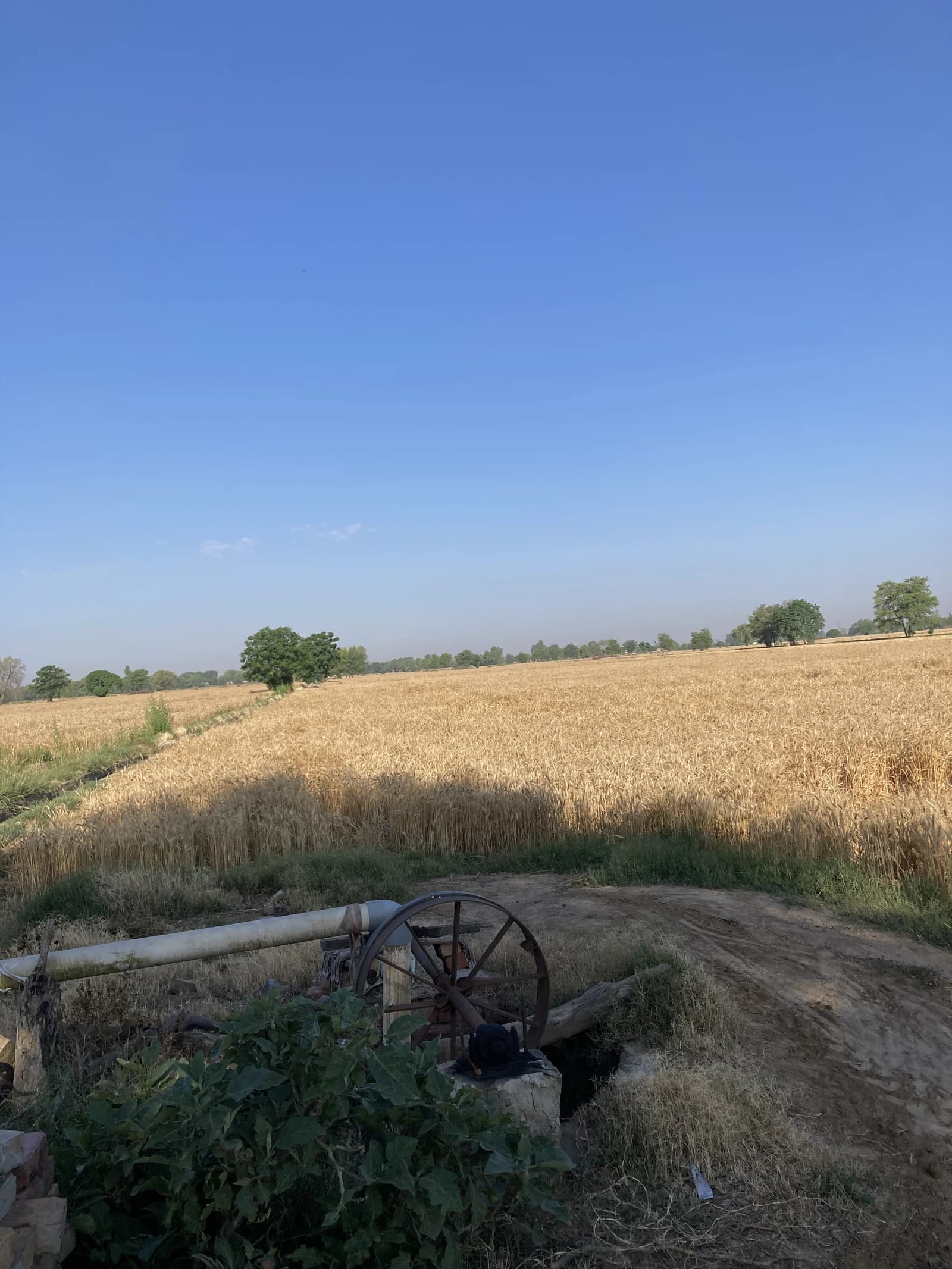
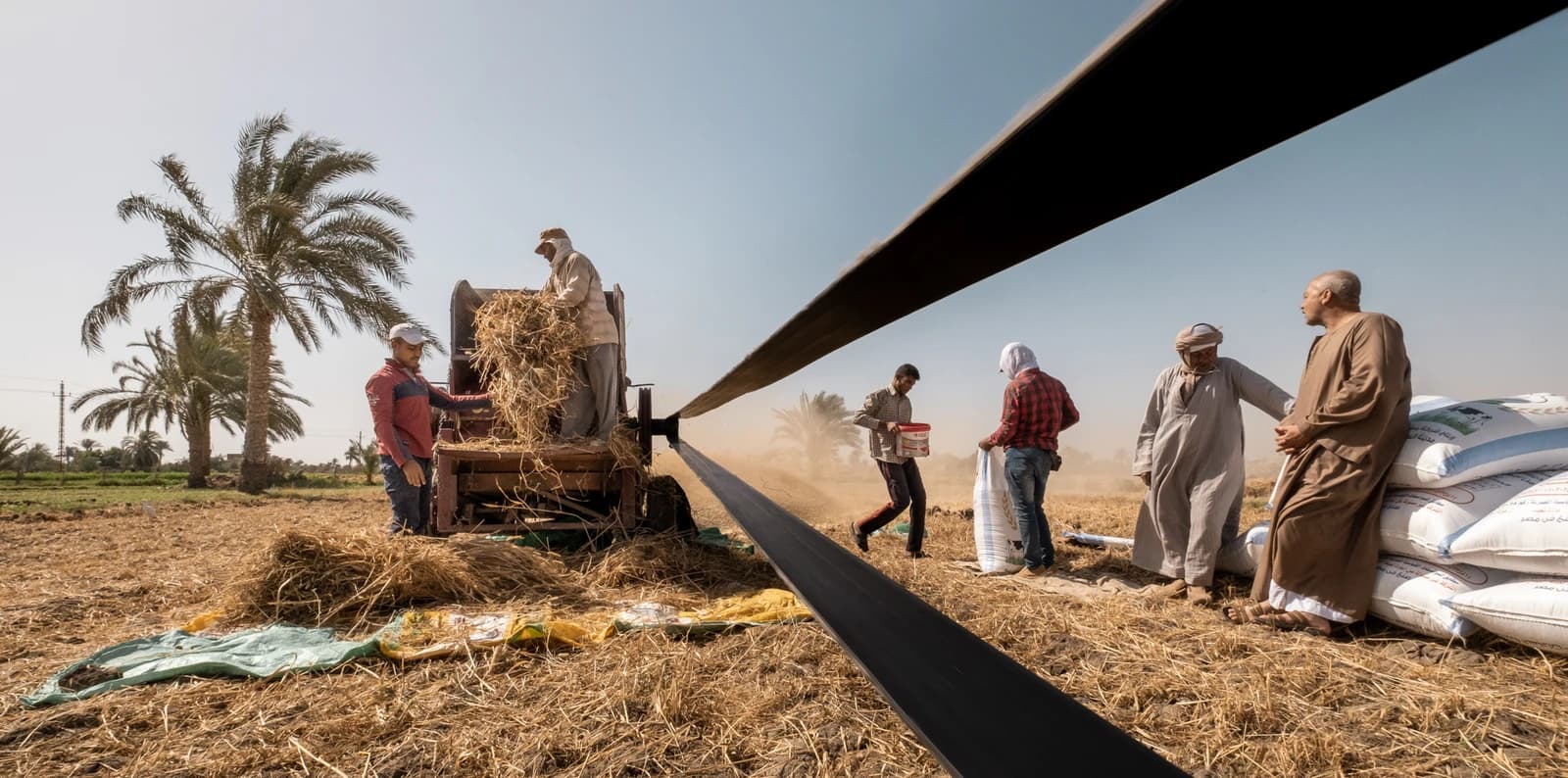
High humidity in Paraná is emerging as the key threat to wheat quality in Brazil’s main southern grain state, with repeated wet days now raising the risk that a crop already bruised by drought, heat and frost will arrive in the market with lower milling value.
Paraná wheat quality risk rises as harvest nears end
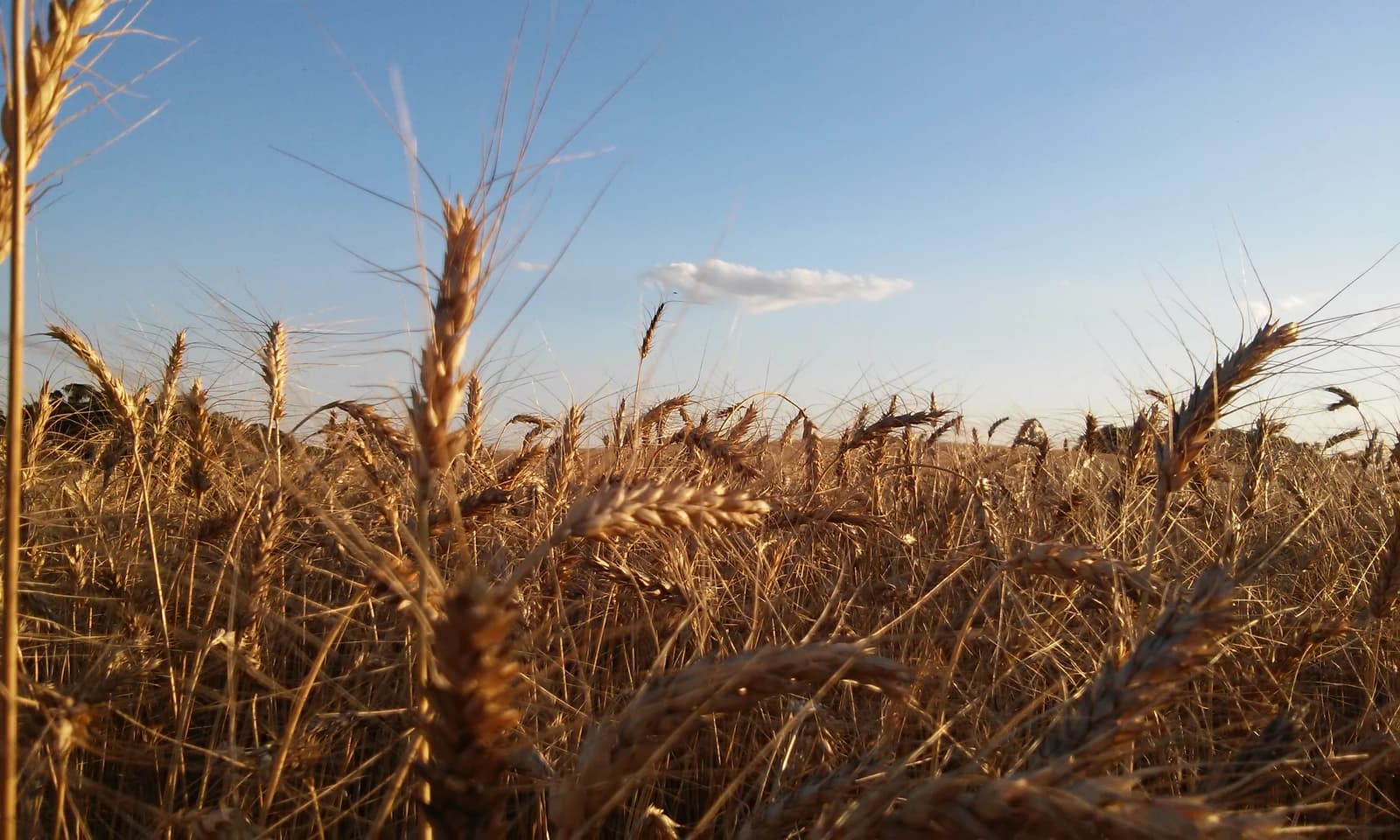
That matters because wheat quality, not just volume, determines how much of the harvest can be sold into premium food-grade channels and how much is downgraded for feed or blending. In a season where the state’s wheat has already suffered from dry weather, above-normal temperatures and frost, further moisture during the final stretch of harvest can reduce test weight, weaken protein characteristics and complicate storage.
Sentiment IndicatorsⓘProprietary · adalytica.com · October 5, 2026
This is a snapshot — live sentiment, awareness and momentum for 130+ markets update continuously in the dashboard.Open AlphaPulse
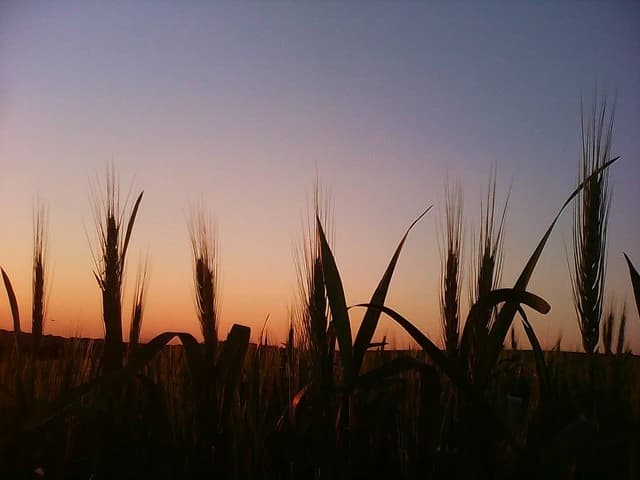
Paraná’s rural economics department, Deral, said harvest work is in the final phase in the north, west, northwest and central parts of the state. In areas still being harvested, successive humid days are worrying growers because they can damage grain quality at the point when the crop is most exposed. Deral said the fields already cut have generally shown low yields alongside quality problems, though it expects some improvement in the remaining areas to be harvested later.
The weather forecast adds urgency. Rain is expected to spread across Paraná midweek, with showers and thunderstorms set to intensify through Friday, including a risk of heavier rain in the interior. For growers, that creates a narrow window to finish harvesting before quality losses worsen.
For the wheat market, the immediate issue is not only Paraná’s output but also the consistency of Brazil’s domestic supply. Poorer quality can tighten the availability of bread-making wheat, increase the need for blending and imports, and support basis premiums for better lots even if the overall crop is not drastically smaller. The latest U.S. wheat futures, meanwhile, have been trading above their 50-day moving average and around the $6.90 area, suggesting global prices are already sensitive to supply and weather uncertainty.
The Brazilian crop is being watched at a time when global wheat supply remains uneven. Import-demand management and weather-driven quality problems in southern Brazil can ripple through regional trade, especially for mills that rely on local wheat to limit import costs. If Paraná’s late harvest finishes with more downgraded grain, the cost of securing suitable flour wheat could rise even if headline production losses remain contained.
Investors should also distinguish between volume risk and quality risk. A crop that is physically harvested but materially downgraded does not disappear from supply, but it can pressure margins for mills, alter import timing and sustain premiums for higher-spec wheat in southern Brazil. That is why the next weather systems in Paraná matter as much as the final tonnage figures.
The market will be watching whether the remaining fields are cleared before further rain and whether the state’s final quality profile confirms a broader downgrade. If humid conditions persist, the story shifts from a local agronomic setback to a firmer domestic pricing backdrop and a stronger case for imports.
| Entity | Gains | Losses |
|---|---|---|
| Brazilian wheat importers | ▲More demand for imported milling wheat | ▼Lower-quality domestic supply |
| Paraná growers with harvested grain | ▲Chance to lock in sales early | ▼Late-harvest quality damage |
| Flour mills | ▲Better leverage if blending options rise | ▼Higher costs for food-grade wheat |
| Wheat futures bulls | ▲Weather risk supports prices | ▼Relief if harvest clears before rain |