Coffee prices climbed in global markets as traders priced in a growing risk that drought in Brazil will trim the next arabica crop and tighten supplies into 2026 and 2027, a move that could keep food inflation sticky and widen gains for growers while squeezing roasters and consumers.
Coffee Prices Rise on Brazil Drought Risk
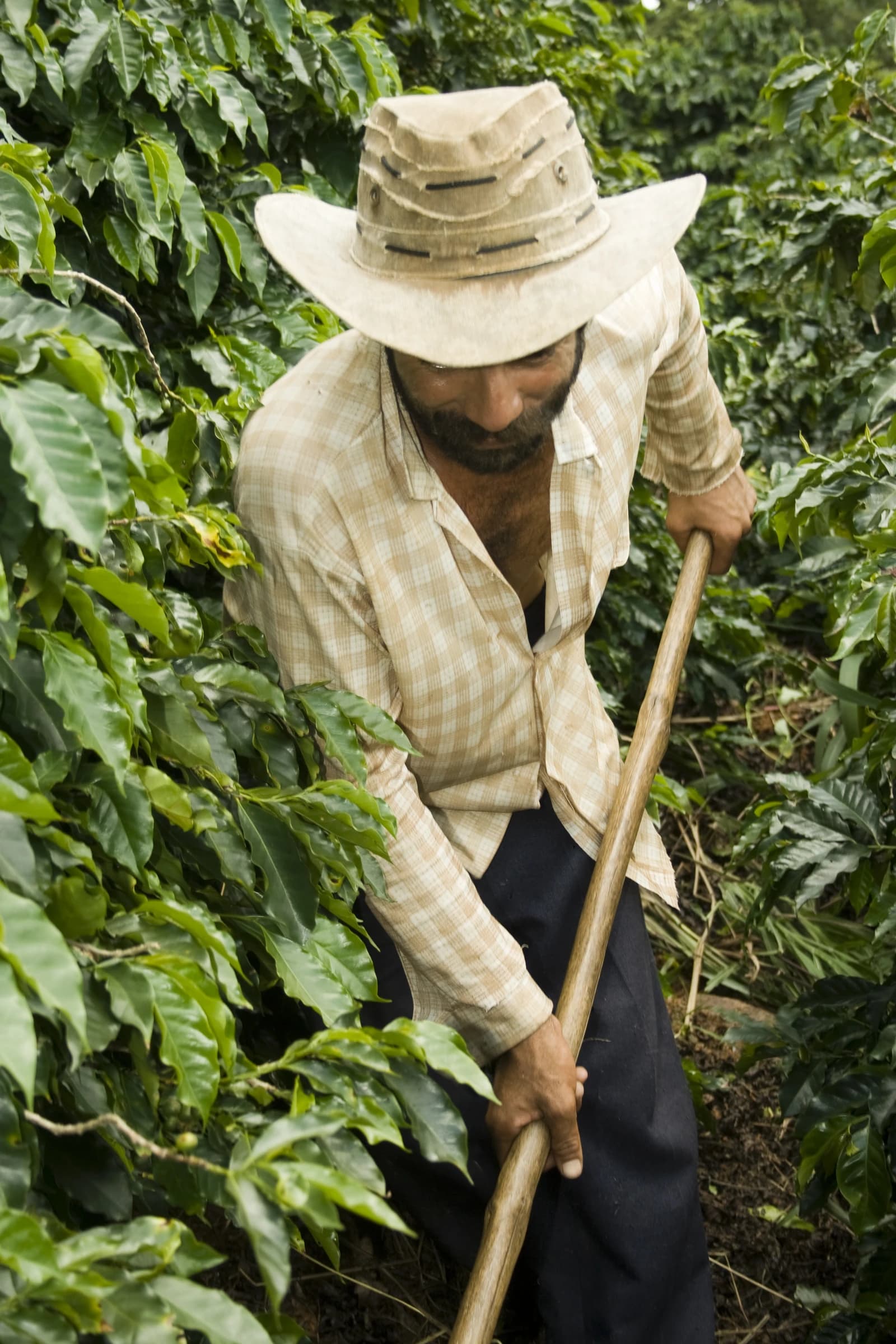
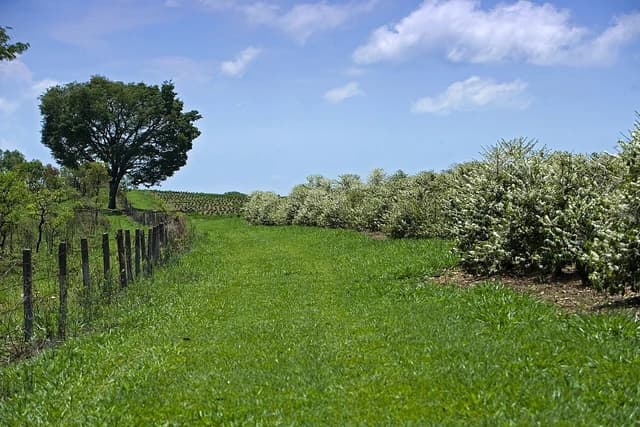
The market is reacting to more than a weather headline. Brazil is the dominant force in coffee, and the crop is now entering the flowering stage, when rainfall is critical to setting yield and quality. If dry conditions persist in Minas Gerais, the country’s key arabica belt, the damage would not just hit volume — it could also reduce the share of beans that meet export standards, creating a tighter market even if headline production forecasts have looked comfortable.
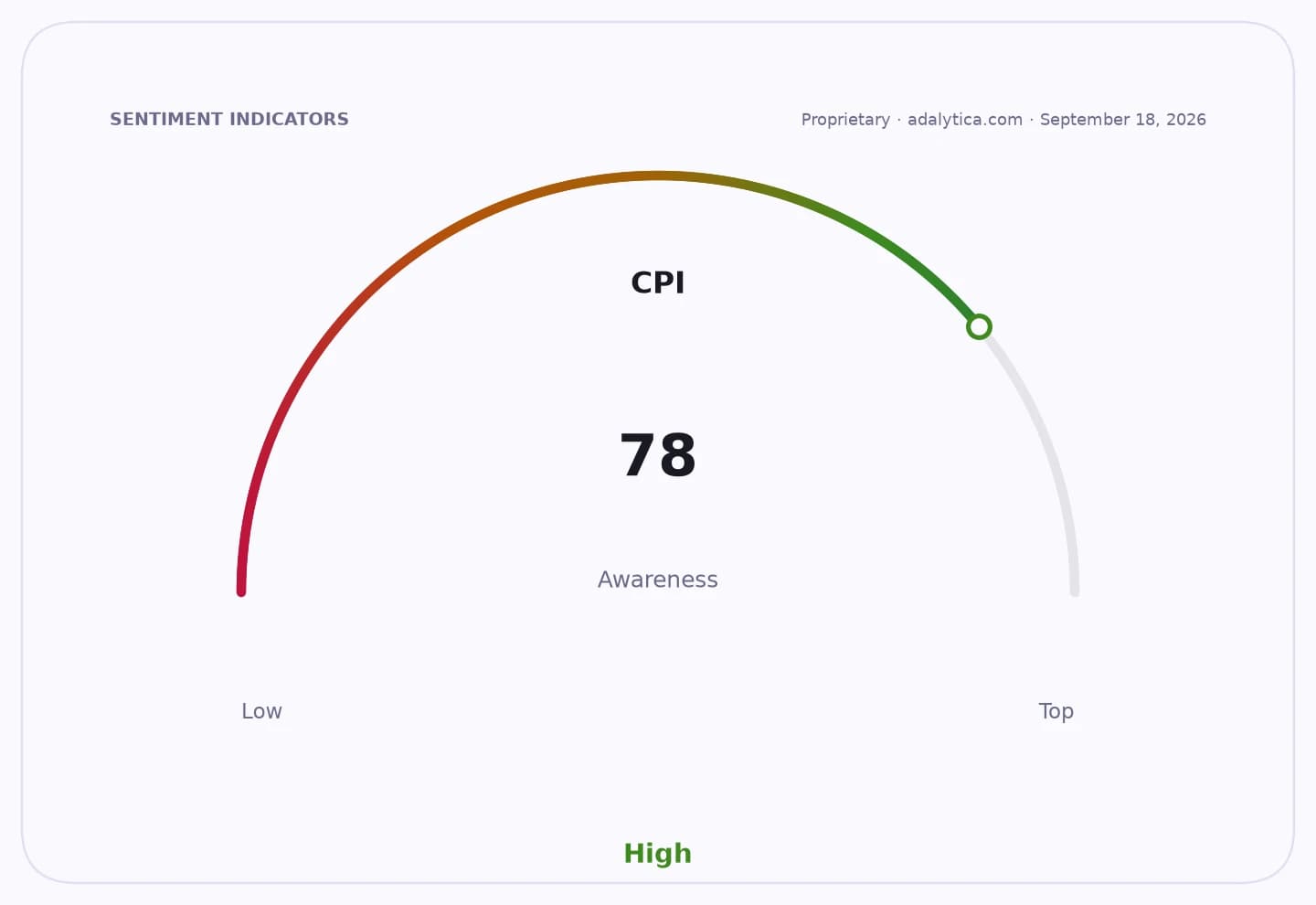
Sentiment IndicatorsⓘProprietary · adalytica.com · October 4, 2026
This is a snapshot — live sentiment, awareness and momentum for 130+ markets update continuously in the dashboard.Open AlphaPulse
In New York, arabica futures for March 2026 rose 1.15 cents to 282.65 cents a pound, a three-week high. In London, November 2026 robusta climbed $38 a ton, or 1.11%, to $3,448, while January 2027 gained $47 to $3,422. That split matters: arabica is drawing support from low certified stocks on ICE, while robusta remains capped somewhat by larger inventories. The message for investors is clear — supply risk is re-entering a market that had been betting on a bigger Brazilian harvest.
The weather threat lands at a sensitive moment for a commodity complex already showing stress. Brazil’s coffee growers were previously expected to deliver a strong crop, but heavy rains during harvest have created quality concerns, with Cooxupe, one of the country’s biggest cooperatives, saying it will reject beans damaged by moisture or contaminated by mycotoxins. That raises the possibility that even a decent crop could be short on exportable volume, intensifying the upside pressure on prices if drought now hits flowering as well.
For investors, the opportunity is in the second-order effects. Higher coffee prices can support producers, exporters and select agribusinesses, but they pressure global roasters, café chains and consumer brands that may need to absorb or pass through costs. In equity terms, the best-positioned names are often the toll roads of the supply chain — farms, traders and input providers — while packaged-food and beverage companies face margin risk if the rally extends.
The technical backdrop reinforces the shift. Front-month arabica has pushed above its recent range, with the March contract trading above its 50-day moving average in recent sessions before easing, while RSI readings and MACD signals on the benchmark point to a market that remains highly sensitive to weather headlines rather than settled into a long trend. The Brazilian real has also steadied near the 5.2 per dollar area, which can influence producer selling decisions and add another layer of volatility.
This is why the drought story matters: coffee is one of the cleanest ways climate risk turns directly into pricing power. If the dry pattern persists through flowering, the market may be underestimating how quickly supply can tighten and how long elevated prices can last. For investors looking for asymmetric setups, the trade is not just in coffee itself, but in the broader inflation and consumer-margin pressure that follows when Brazil’s crop disappoints.
| Entity | Gains | Losses |
|---|---|---|
| Coffee growers | ▲Higher farmgate prices | ▼Crop-size uncertainty |
| ICE coffee bulls | ▲Momentum from supply fears | ▼Volatility if rains return |
| Roasters & beverage brands | ▲Limited near term | ▼Margin pressure from higher beans |
| Consumers | ▲None | ▼Higher retail coffee costs |