Coffee prices in Vietnam’s Central Highlands edged higher again on Oct. 6, a reminder that the market is still being driven by tight supply at home and firmer prices abroad.
Vietnam Coffee Prices Rise on Tight Supply
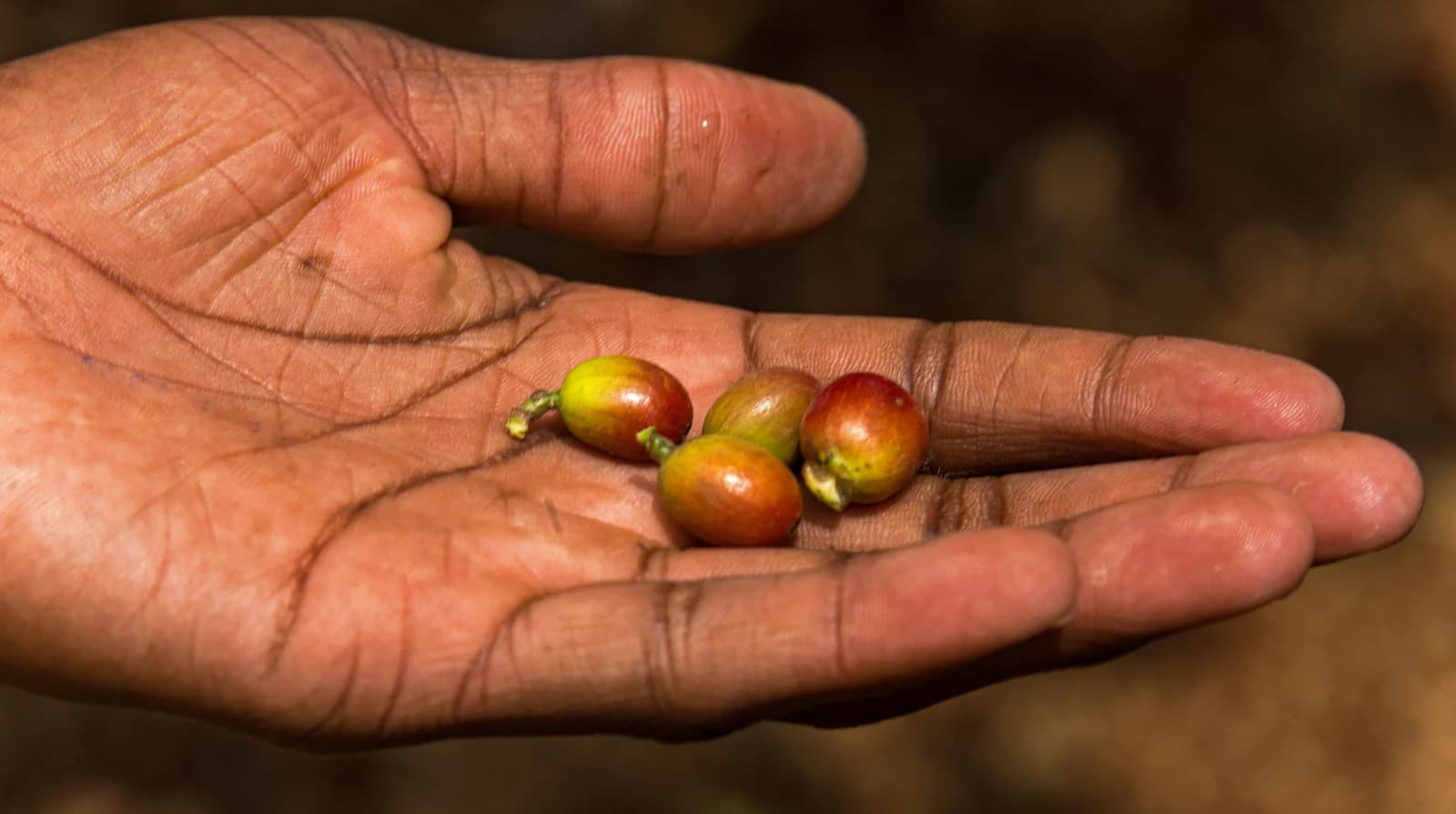
That matters because coffee is not just a farmgate story. When local buying prices climb to 94,000 dong a kilogram, up 200 dong in Dak Lak, Gia Lai and Lam Dong while holding at 94,000 dong in Dak Nong, it improves cash flow for growers and strengthens the case that Vietnamese producers still have leverage even after a volatile year. For investors, the bigger message is that coffee remains in a supply-sensitive uptrend, with Robusta and Arabica both advancing on global markets.
Sentiment IndicatorsⓘProprietary · adalytica.com · October 6, 2026
This is a snapshot — live sentiment, awareness and momentum for 130+ markets update continuously in the dashboard.Open AlphaPulse
The domestic move was modest, but the backdrop is what counts. Supply in Vietnam remains constrained by low old-crop inventories, while the new harvest has not yet reached the market broadly. That means prices are still being set by what farmers are willing to sell and what exporters need to secure for near-term shipments. In a market like this, even a small daily increase can signal that buyers are competing for limited beans.
The global picture reinforces that view. Robusta on the London market rose 1.96% to $3,537 a ton for November 2026 delivery, while Arabica in New York climbed 1.96% to 286 cents a pound for March 2027 delivery. Vietnam’s export grade of Robusta was also quoted at a premium of $200 a ton to the November LIFFE contract, underscoring the strength of physical demand.
For long-term investors, this is a useful reminder that coffee is ultimately a supply chain business as much as a commodity story. Tight inventories can lift prices quickly, but those gains can also fade once fresh crop arrivals hit the market. Still, if global demand keeps growing while Vietnam’s output remains constrained, producers and exporters could enjoy a healthier pricing environment than many expected earlier this year.
The next question is whether the current rally can last into the main harvest season. If supply stays tight and international prices remain firm, coffee growers should keep their pricing power. For now, the setup remains constructive, and coffee deserves a place on the watchlist for investors who want exposure to a resilient, globally traded agricultural staple.
| Entity | Gains | Losses |
|---|---|---|
| Vietnamese coffee farmers | ▲Higher farmgate prices | ▼Volatile income if prices reverse |
| Coffee exporters | ▲Stronger selling prices | ▼Tighter bean availability |
| Robusta producers | ▲Better near-term margins | ▼Risk of demand slowdown |
| Buyers/roasters | ▲Supply security pressure | ▼Higher input costs |