A sharp slide in the real is making Brazil cheaper for Argentine holidaymakers, reshaping summer travel plans and giving the country’s beach towns, supermarkets and restaurants a sudden price advantage over Argentina.
Brazil Real Weakens, Lifts Argentine Travel Demand
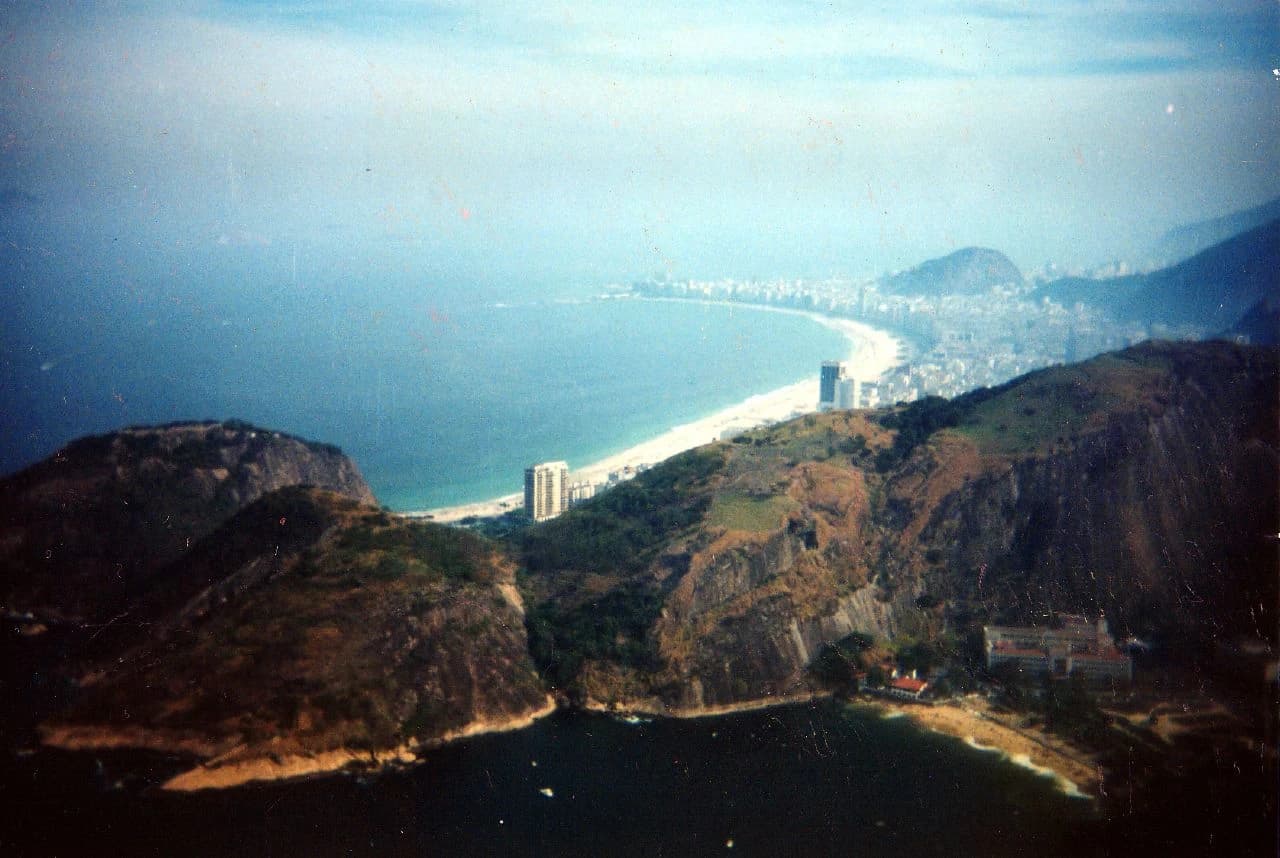
The move matters because it changes the economics of one of South America’s biggest cross-border leisure flows. Since Brazil’s presidential runoff and the market’s reaction to Luiz Inácio Lula da Silva’s victory, the real has weakened 16%, from 4.97 per dollar before the vote to 5.78 now. That has lowered day-to-day spending for foreigners in dollar terms just as Argentines begin planning the southern hemisphere summer, lifting searches and bookings for destinations such as Florianópolis, Camboriú, Bombinhas, Buzios and Pipa.
Sentiment Indicators
For Argentine tourists, the key point is that the savings are showing up where vacations are actually consumed: food, beach services, transport and supermarket purchases. An Argentine spending $1,000 would now receive about 5,780 reais instead of 4,970 reais in October — roughly 800 extra reais, or more than 210,000 Argentine pesos at current exchange rates, according to local operators cited in the report. A beach setup for four with umbrella, chairs and drinks costs about 100 reais a day, or less than 30,000 pesos, while a self-service lunch is under 40 reais. In Pipa, where Argentine demand is already rising, a pizza that cost 50 reais in October now buys only about one-and-a-half pizzas at current prices, illustrating how quickly the devaluation has shifted purchasing power.
That price gap is especially important for middle-class Argentine travelers facing persistent domestic inflation and expensive beach resorts at home. A comparison of supermarket and seaside costs suggests Brazil has become materially cheaper for routine holiday spending. In Florianópolis, a liter of milk costs 5 reais, a bottle of water 170 reais and a beer 340 reais, while in Mar del Plata beach rentals and parking can quickly exceed 100,000 pesos a day in prime areas. In Rio de Janeiro, a cappuccino in Copacabana is about 2,900 pesos and a three-course meal for two costs around 55,000 pesos, levels that look competitive against equivalent outings in Argentina’s resort towns.
Travel agents say the currency move has already altered demand patterns. Mariano Medina of Tu Agencia de Viajes said inquiries for Brazil were “protagonists” from November and that interest rose 45% in one week after the real weakened. He also noted that the cheaper prices apply mostly to on-the-ground spending, not airfare or hotels, which are still largely priced in dollars. That distinction matters for investors because it suggests the devaluation will benefit Brazil’s hospitality, retail and local-services operators more than international carriers or all-inclusive resorts that already charge in hard currency.
The flow also has macro implications. Brazil’s weaker currency improves its affordability for foreign visitors and supports tourism receipts at a time when the country is seeking to sustain the post-pandemic travel rebound. More than two million Argentines visited Brazil between January and August, underscoring how important the Argentine market is to Brazilian coastal destinations. A prolonged period of cheaper reais could reinforce that trend, especially if Argentina’s own currency remains under pressure and domestic resort prices stay elevated.
There are risks to the bullish travel case. A weaker real can reflect investor concern about Brazil’s fiscal and political outlook, and if the currency volatility deepens it could eventually lift local inflation, eroding some of the tourist bargain. Airlines such as Azul may also see only limited direct benefit if ticket sales are mostly dollar-linked, while the strongest gains would likely accrue to hotels, restaurants, supermarkets, beach clubs and excursion providers that take local-currency spending. For now, though, the balance of evidence points to a clear winner: Argentines hunting for summer value, and Brazil’s tourism economy preparing for another heavy season.
| Entity | Gains | Losses |
|---|---|---|
| Argentine tourists | ▲Lower day-to-day vacation costs | ▼Higher dollar value of spending at home |
| Brazilian beach towns and retailers | ▲More Argentine demand | ▼Margin pressure if inflation returns |
| Argentine Atlantic coast resorts | ▲None | ▼Lost price competitiveness |
| Brazil’s tourism sector | ▲Bigger foreign visitor flow | ▼Currency volatility risk |