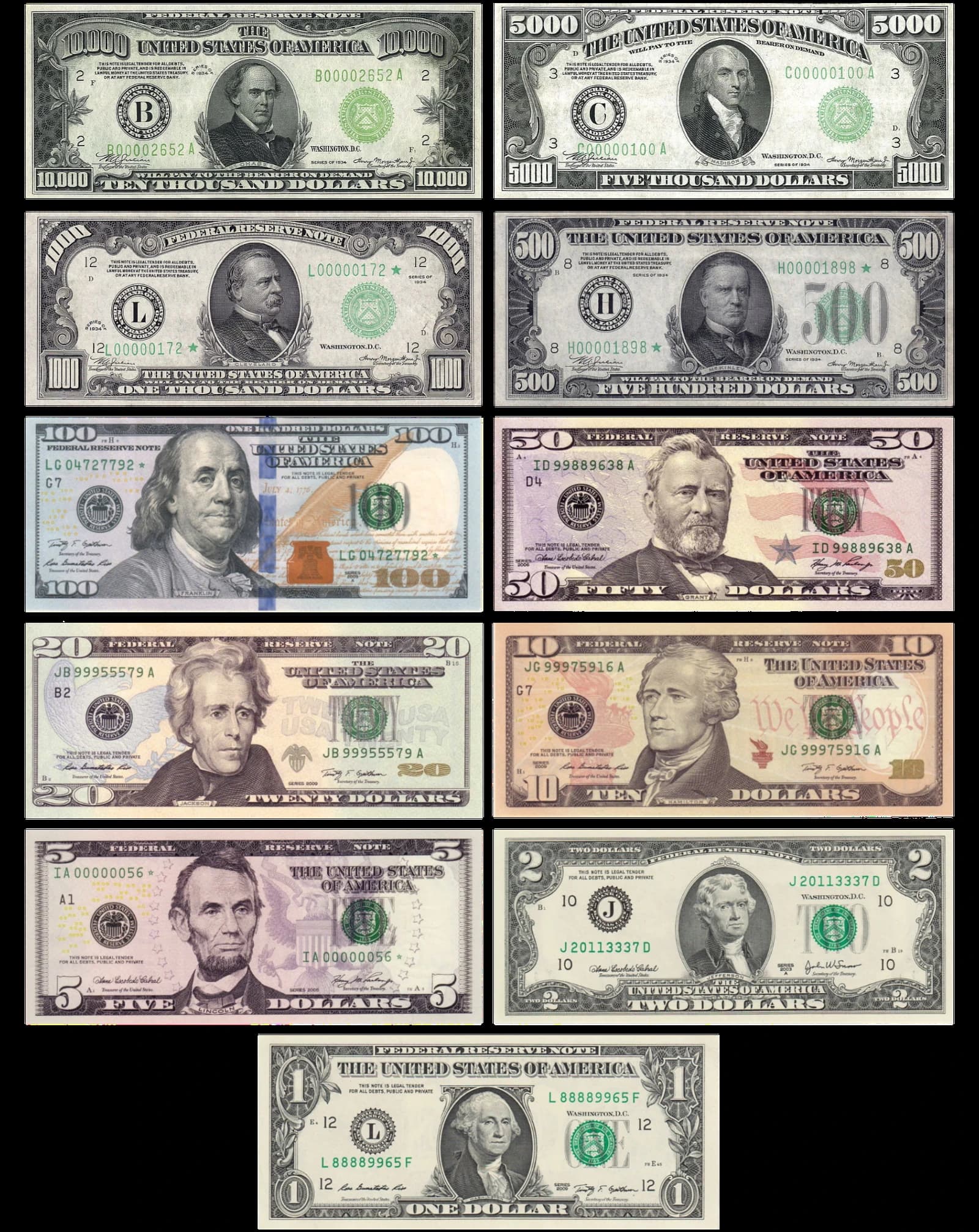
The dollar in Uruguay stayed pinned near the $40 floor even as it firmed in Brazil and Argentina, underscoring a relatively stable local currency market in a region where exchange-rate swings remain a key driver of inflation, trade competitiveness and investor sentiment.
Uruguay peso stays near 40 floor as region moves

In Montevideo, the greenback was almost unchanged, edging up 0.03% to an average of 40.091 pesos and closing at 40.08, just below the previous session’s level. The move kept the currency at the lower edge of its recent trading band, between 40.07 and 40.10, and left it down 0.48% so far in October, though still 2.69% higher for the year.
Sentiment Indicators
The calm in Uruguay contrasts with moves in its two main regional reference markets. In Brazil, where the real is a key benchmark for Uruguay’s trade and pricing dynamics, the dollar rose 0.27% to 5.0277 reais, though it remains down 2.96% in October and 8.63% lower in 2026. In Argentina, the official rate climbed 0.12% to 1,526.67 pesos, extending a year-to-date gain of 4.61%.
That divergence matters because Uruguay’s currency tends to be influenced by broader regional FX trends, especially Brazil, while still reflecting domestic demand for pesos and the country’s comparatively low-risk profile. A dollar hovering around the floor of $40 suggests stable near-term pressure on imported inflation and limited immediate stress in the local market, even as neighboring currencies continue to adjust.
The backdrop in fixed income reinforces that view. Uruguay’s sovereign risk premium, measured by the UBI index from República AFAP, fell one basis point to 71 bps, helped by mixed moves in local bond prices and US Treasuries. The country’s overnight call rate traded at 5.91%, just below the central bank’s 6% target, pointing to a money market that remains broadly aligned with policy.
For investors, the message is twofold. A steady peso and low sovereign spreads support local-currency assets and reduce near-term volatility for domestic borrowers. But the regional picture still matters: if the dollar resumes strengthening in Brazil or Argentina, Uruguay could face renewed pressure on its export competitiveness and on inflation expectations, even if the current setup remains orderly.
The immediate focus will be whether the peso can stay anchored near this floor while Brazil and Argentina continue to move. For now, Uruguay looks like the region’s calmer FX market — but that calm still depends on what happens next across its larger neighbors.
| Entity | Gains | Losses |
|---|---|---|
| Uruguay peso | ▲Stability, lower inflation pressure | ▼Export competitiveness if dollar weakens further |
| Importers in Uruguay | ▲Cheaper foreign goods | ▼None material in the near term |
| Exporters in Uruguay | ▲Limited immediate FX volatility | ▼Potential margin pressure if peso stays firm |
| Brazil and Argentina FX markets | ▲More flexible adjustment | ▼Higher currency volatility |