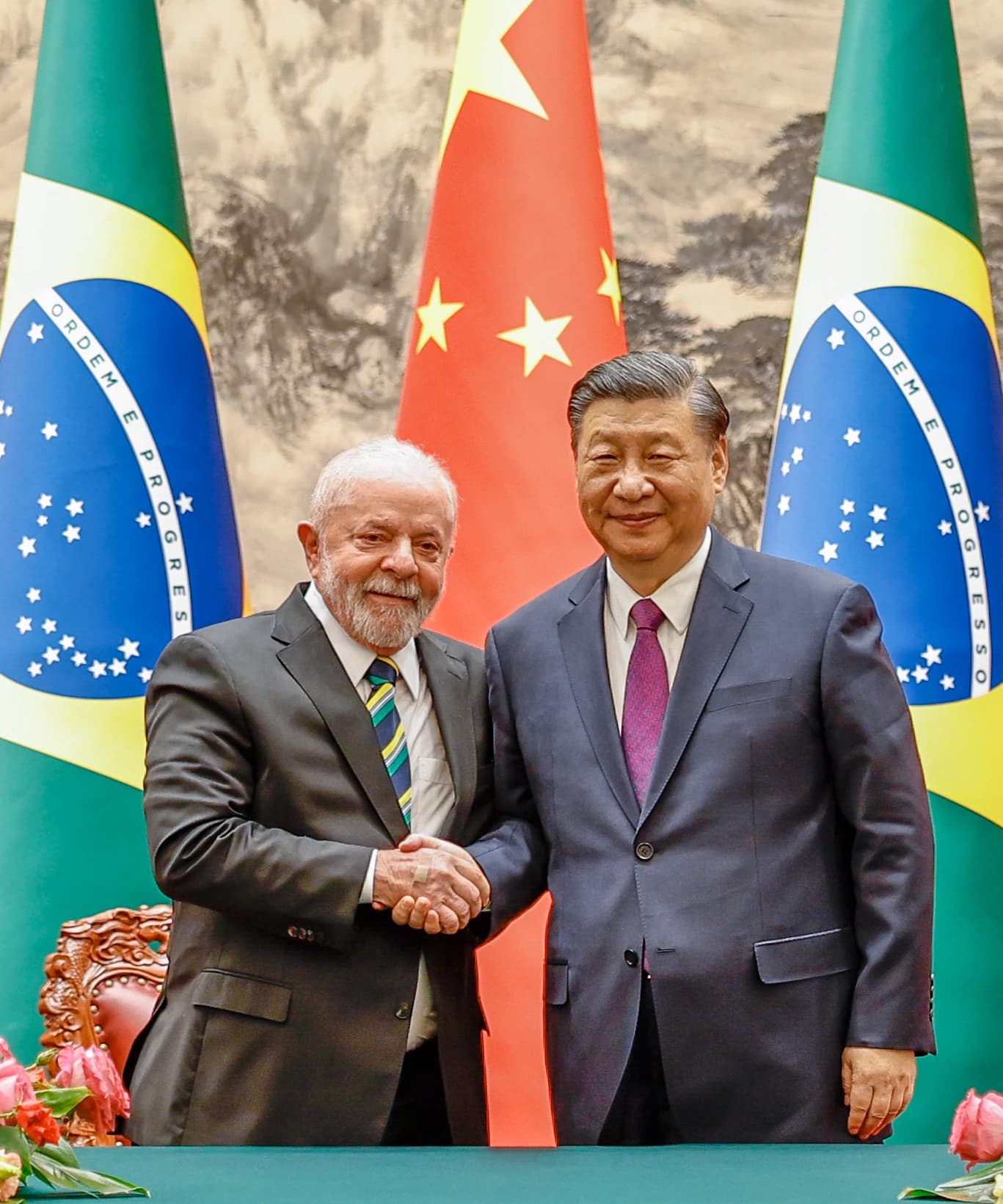
Brazil is losing ground in Argentina as a deep recession there, faster Chinese expansion and a sharper diplomatic chill between Brasília and Buenos Aires reshape trade flows in South America’s second-largest economy.
Brazil Loses Argentine Auto Share to China
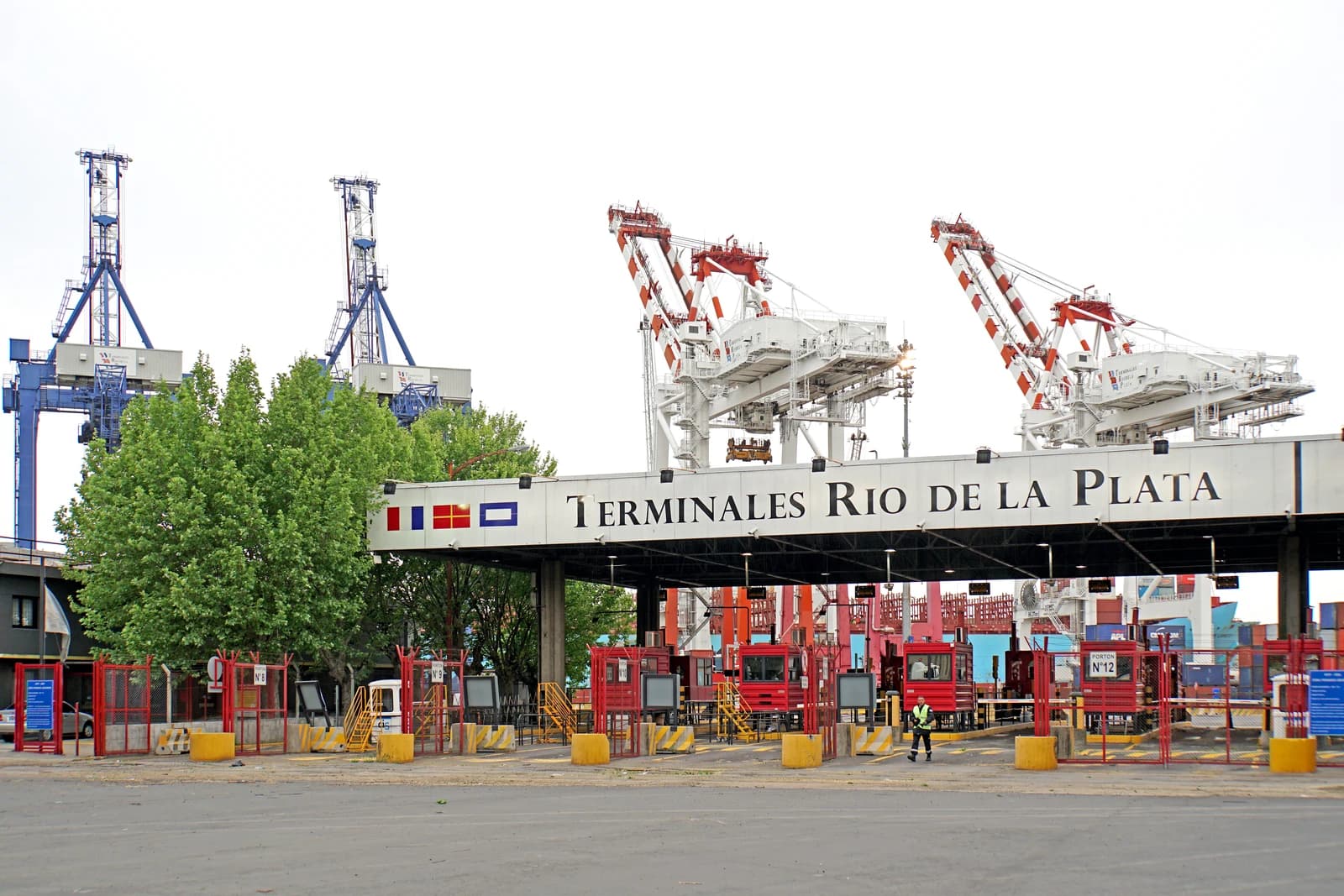
The shift matters because Argentina remains one of Brazil’s most important export destinations, especially for autos and manufactured goods, and any erosion in that market can hit factories, jobs and regional supply chains. Chinese companies are moving aggressively into Argentina with cheaper models and electric vehicles, taking share in higher-value segments where Brazilian producers have traditionally been strongest.
Sentiment IndicatorsⓘProprietary · adalytica.com · October 17, 2026
This is a snapshot — live sentiment, awareness and momentum for 130+ markets update continuously in the dashboard.Open AlphaPulse
That pressure comes as Argentina’s downturn curbs demand broadly, forcing importers and consumers to trade down. Brazil’s exposure is most visible in the auto industry, where Chinese brands are using price and product mix to win space while Brazilian makers face weaker volumes and thinner pricing power.
The political backdrop is worsening the commercial one. Relations between President Luiz Inácio Lula da Silva and President Javier Milei are more strained, adding another layer of uncertainty even if the two economies remain tightly integrated enough to keep core trade flows intact.
For investors, the story is not just about bilateral trade. It points to a wider competitive challenge for Latin American manufacturers as China deepens its presence through exports, investment and strategic sector penetration, forcing Brazil to diversify markets and defend margins.
That makes the Argentine market a useful gauge of how China’s push in the region is changing the balance of trade, with Brazilian exporters vulnerable if the recession lasts and Chinese pricing stays aggressive.
| Entity | Gains | Losses |
|---|---|---|
| Chinese automakers | ▲More market share | ▼Less room for Brazilian rivals |
| Brazilian exporters | ▲Regional scale and integration | ▼Argentine sales and margins |
| Argentine consumers | ▲Lower-priced imports | ▼Fewer domestic growth options |
| Brazil's auto sector | ▲Existing supply links | ▼Higher-value segments in Argentina |