Brazil’s agribusiness sector is emerging as the main brake on any sharp break with China even before Flávio Bolsonaro’s administration can form, underscoring how hard economic dependence now constrains the political right’s foreign-policy agenda.
Brazil agribusiness limits Bolsonaro China break
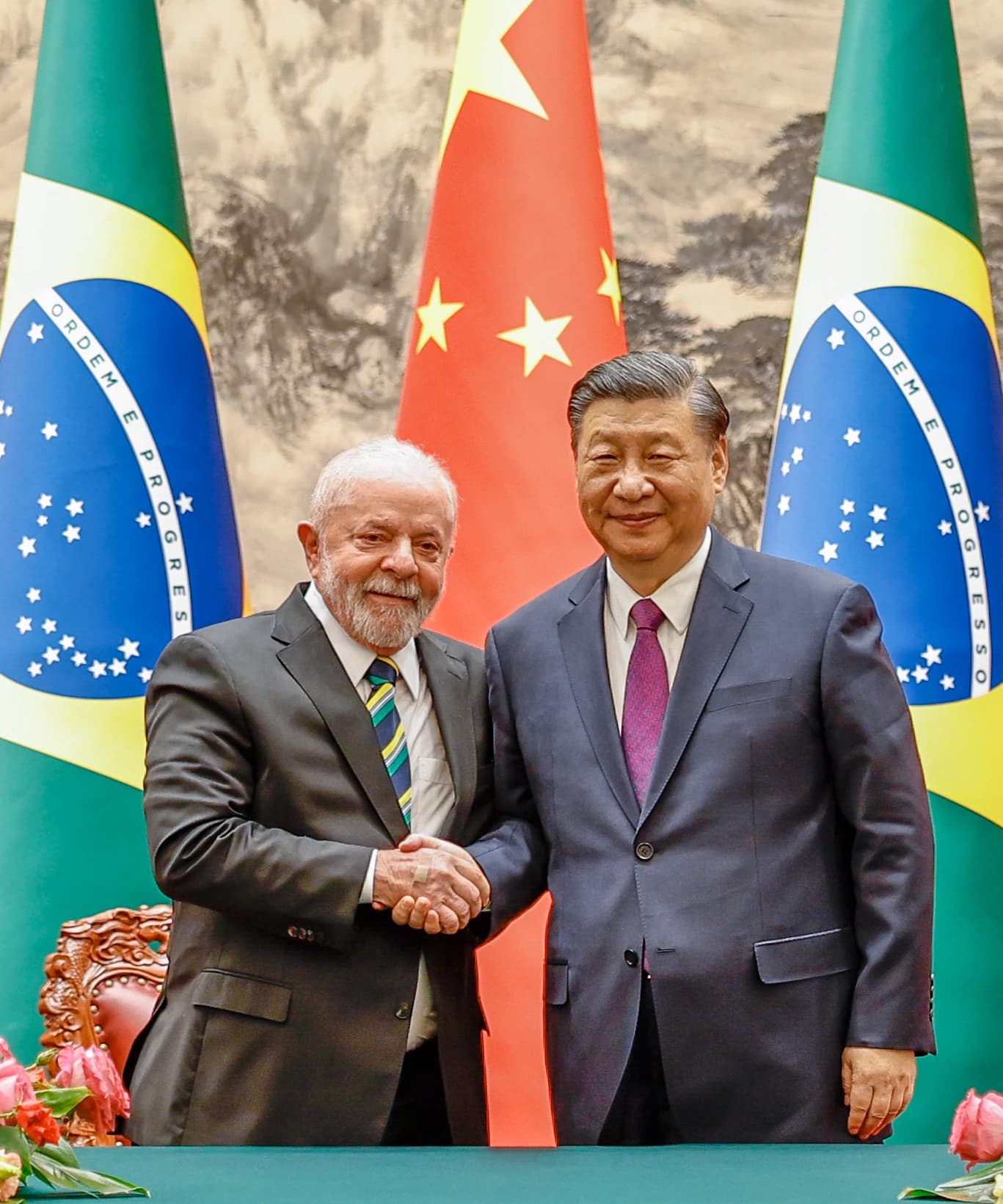
The clash matters because China is Brazil’s largest trading partner and the buyer of a huge share of the country’s soy, beef and other commodities. Any attempt by a future Bolsonaro government to tilt decisively toward Washington, distance Brasília from the BRICS or weaken ties with Beijing would risk colliding with the interests of exporters, rural lawmakers and a farm lobby that has become one of the most powerful forces in Congress.
That tension helps explain why Flávio Bolsonaro and his allies have dialed back the direct anti-China rhetoric that marked earlier Bolsonaro campaigns. Analysts quoted by Sputnik Brasil said the candidate is still likely to favor closer alignment with the United States, and possibly Israel, but would face pressure from the agribusiness bloc to avoid measures that could damage sales into Asia. The likely result, they said, is not a clean rupture but a more confrontational tone paired with pragmatic continuity in trade.
The economic stakes are considerable. Brazil-China trade reached a record $171 billion in 2025, according to the broader context, and the relationship has widened beyond raw commodities into clean energy, innovation and logistics. Brazil and China have also launched a billion-dollar fund for clean energy and innovation, a sign that the bilateral relationship is becoming more embedded in long-cycle investment rather than only short-cycle trade. That makes the relationship harder for any government to unwind without immediate costs.
Investors should read the story as a constraint on policy risk rather than a definitive geopolitical pivot. A Bolsonaro victory could still lift headline volatility around the BRICS, Mercosur and ties with Washington, but the farm economy’s dependence on Chinese demand should act as a moderating force. That is especially relevant for grain, meat and input-linked names, where market pricing depends on export access more than campaign rhetoric.
The comparison with Jair Bolsonaro’s presidency is instructive: the family’s prior China criticism eventually gave way to accommodation once the economic costs became clear. The same dynamic now appears likely to repeat, only with more at stake. Brazil’s exporters need both the U.S. and China, but the balance of payments, rural income and investment pipeline still tilt heavily toward maintaining the Chinese market.
For investors, the key issue is whether campaign language turns into policy on tariffs, diplomacy or multilateral alignment. The base case remains a noisy but largely transactional relationship with Beijing. A more aggressive move against China would be the real market shock — and, for now, the agribusiness lobby looks positioned to make that outcome harder, not easier.
| Entity | Gains | Losses |
|---|---|---|
| Brazilian agribusiness | ▲policy moderation | ▼ideological rupture |
| China | ▲trade continuity | ▼anti-China escalation |
| Bolsonaro allies | ▲U.S. alignment | ▼room to confront Beijing |
| Brazilian exporters | ▲market access | ▼BRICS/Mercosur disruption |