Brazil’s election matters to the Kremlin less as a democratic event than as a test of whether Brasília stays useful to Moscow’s sanctions-busting, BRICS-centered strategy.
Brazil election, Russia trade and BRICS settlement
Russian state-linked media are portraying the contest as a search for a Brazilian leader who will preserve trade in fertilizers, diesel, soy, beef and coffee while keeping the door open to greater settlement in reais and rubles — a move that would help Russia reduce its reliance on the dollar-facing financial system at a time when Western sanctions still bite hard over Ukraine.
That is the real significance of the muted, carefully calibrated coverage: the Kremlin appears to see Brazil as a geopolitical instrument, not a cause to champion publicly. BBC Monitoring analyst Vitaly Shevchenko said the election has barely broken through on Russian television, where most citizens get their news, suggesting Moscow does not want to broadcast a preference even if it has one. The message is in the subtext. Brazil is being treated as a swing economy inside the BRICS orbit, one that can either deepen Russia’s alternative trade network or leave it unchanged.
For investors, the implication is bigger than election chatter. Anything that strengthens Brazil’s role in non-dollar trade, commodity flows and BRICS cooperation supports the country’s status as a strategic hub for emerging-market capital and hard-asset demand. Anything that tilts Brasília back toward Washington raises the risk that some of those ambitions stall, especially around currency settlement and broader South-South trade links. Russia’s media is effectively signaling that Brazil’s next president can influence not just diplomacy, but the plumbing of trade finance.
Izvestia said about 10% of Russia-Brazil trade is now settled in local currencies, and argued that expanding that share would make payments “cheaper, more stable and less dependent” on external currency infrastructure. That matters because Russia wants direct, harder-to-block transactions outside SWIFT and Western correspondent banks. It also matters because Brazil is a major buyer of Russian fertilizer, a critical input for the country’s agricultural exporters, while Russia relies on Brazilian commodities to keep trade flowing despite sanctions pressure.
The paper went further, suggesting Russian institutions could recycle any accumulated reais into Brazilian logistics, agriculture or industrial goods, including Embraer aircraft and auto parts. In other words, Moscow is not just looking for a trading partner; it is looking for a financial and industrial workaround. That is exactly why the election is being read in Kremlin circles through a commercial lens.
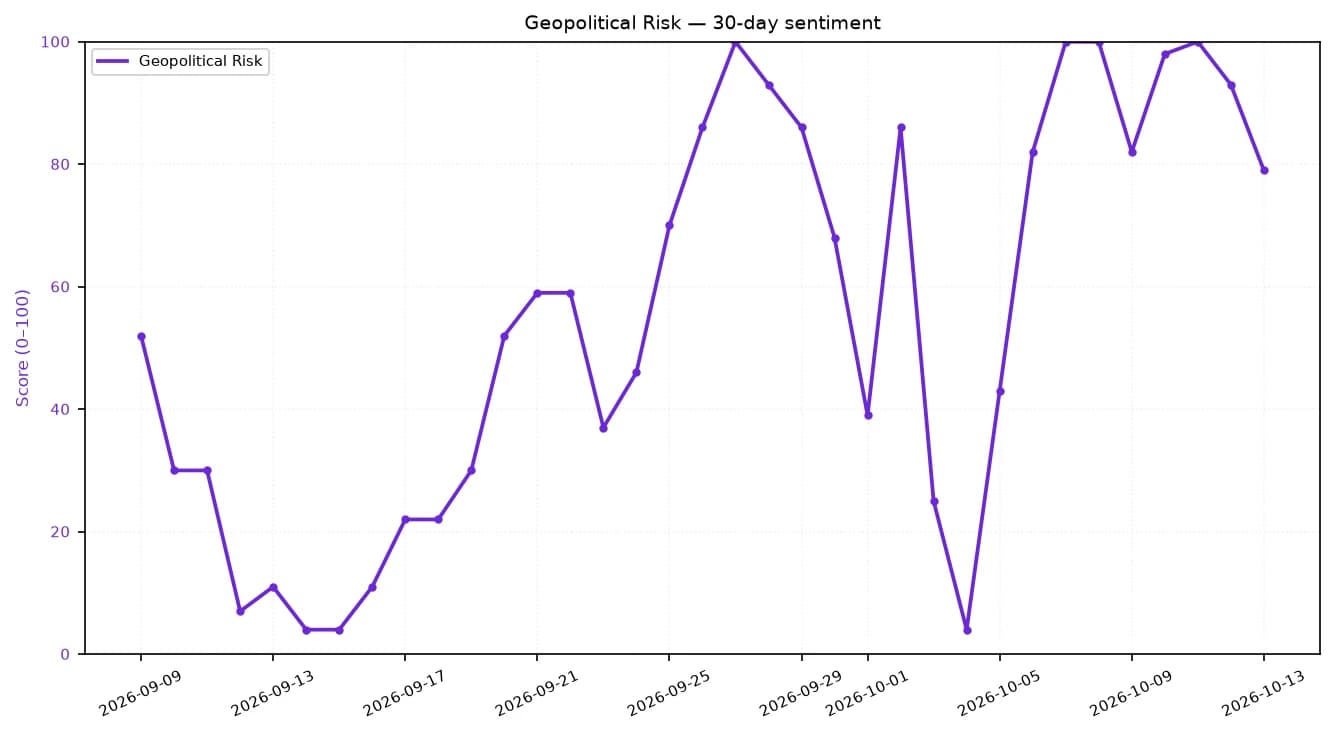
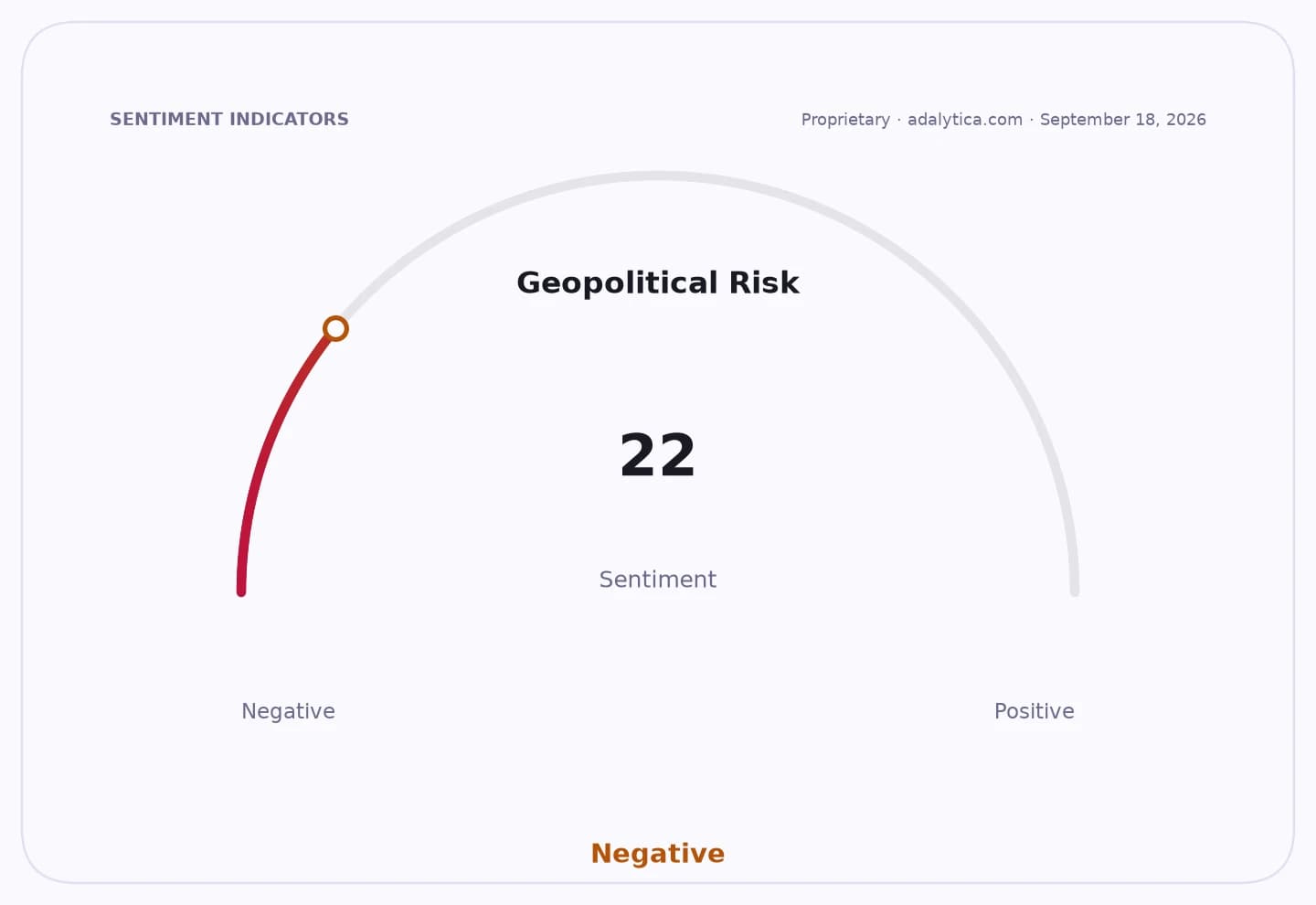
The market angle is straightforward: Brazil’s external positioning affects capital flows, trade terms and the appeal of Brazilian assets as a proxy for commodity supply chains and non-U.S. geopolitical alignment. The iShares MSCI Brazil ETF, EWZ, has already been volatile, trading at $38.19 on Oct. 2 after swinging between an overbought reading in early September and a pullback toward its 50-day moving average. The recent move back above both the 50-day and 200-day moving averages suggests investors are again willing to pay for Brazil exposure when political risk eases and commodity-linked optimism returns. But the Russian angle is a reminder that geopolitics can quickly alter that narrative.
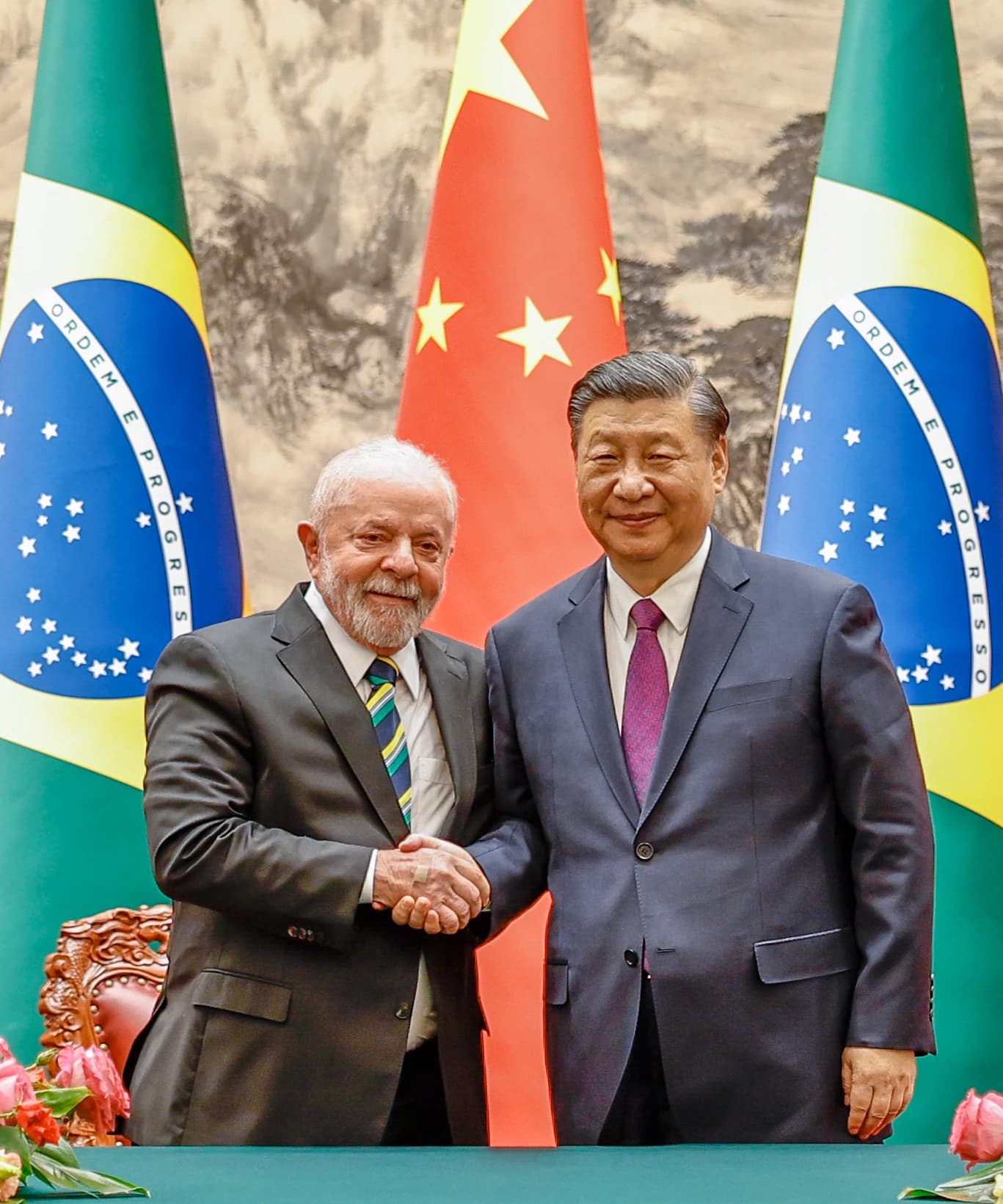
The Kremlin’s preferred outcome is not hard to read. Russian-linked outlets describe Lula as the safer option for BRICS expansion and local-currency trade, while Flávio Bolsonaro is cast as more inclined toward Washington and less committed to the bloc. Yet other Russian papers say Moscow could work with either candidate. That is the key tell: Russia mainly wants continuity — and wants to preserve optionality — as it tries to keep trade channels open and sanctions friction low.
For investors, the opportunity is to focus on the second-order winners if Brazil deepens its role as a commodity supplier and BRICS intermediary: fertilizers, agribusiness, ports, logistics, energy transport and select exporters with exposure to cross-border trade. The risk is that a more pro-U.S. posture in Brasília cools the drive toward local-currency settlement and complicates Russia-facing trade flows. Either way, this election is not just about who runs Brazil. It is about whether Latin America’s largest economy becomes even more central to the global de-dollarization trade.
| Entity | Gains | Losses |
|---|---|---|
| Russia | ▲sanctions workarounds | ▼dollar dependence |
| Brazil exporters | ▲steadier commodity demand | ▼policy uncertainty |
| BRICS advocates | ▲deeper local-currency trade | ▼U.S.-aligned shift |
| EWZ bulls | ▲commodity/geopolitical premium | ▼election-driven volatility |