Brazil’s federal government is projecting an 80% jump in natural gas supply by 2036, a forecast that points to a broader reshaping of the country’s energy balance, with the pre-salt basin and the Northeast becoming far more important to domestic flows.
Brazil gas supply seen rising 80% by 2036

The new estimate, published in the Decennial Energy Expansion Plan, envisions potential national gas supply rising to 112 million cubic meters a day in 2036 from 61 million in 2026. That matters because Brazil is trying to expand gas availability for industry, power generation and households while reducing reliance on imported volumes and bottlenecks in transport and processing infrastructure.
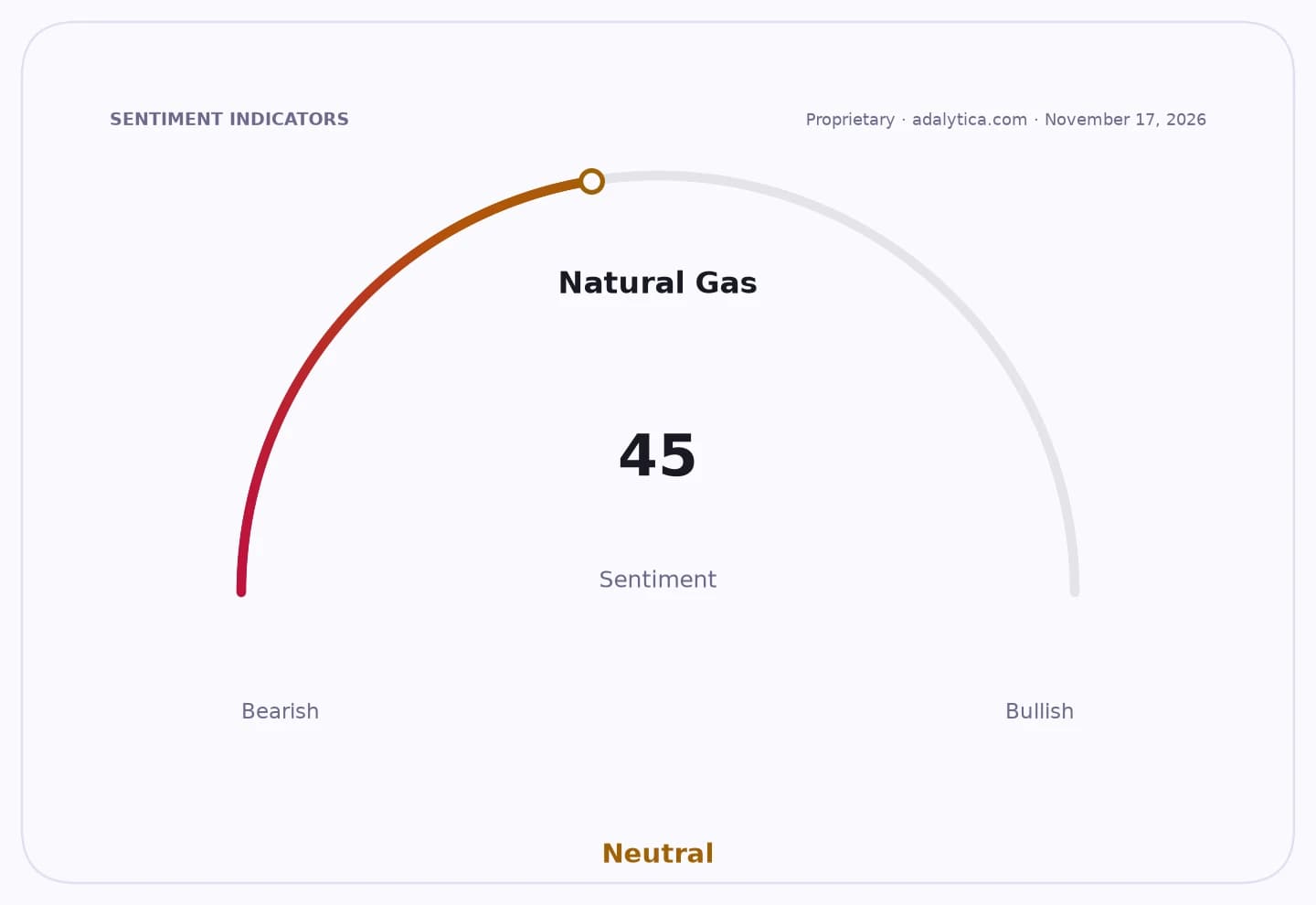
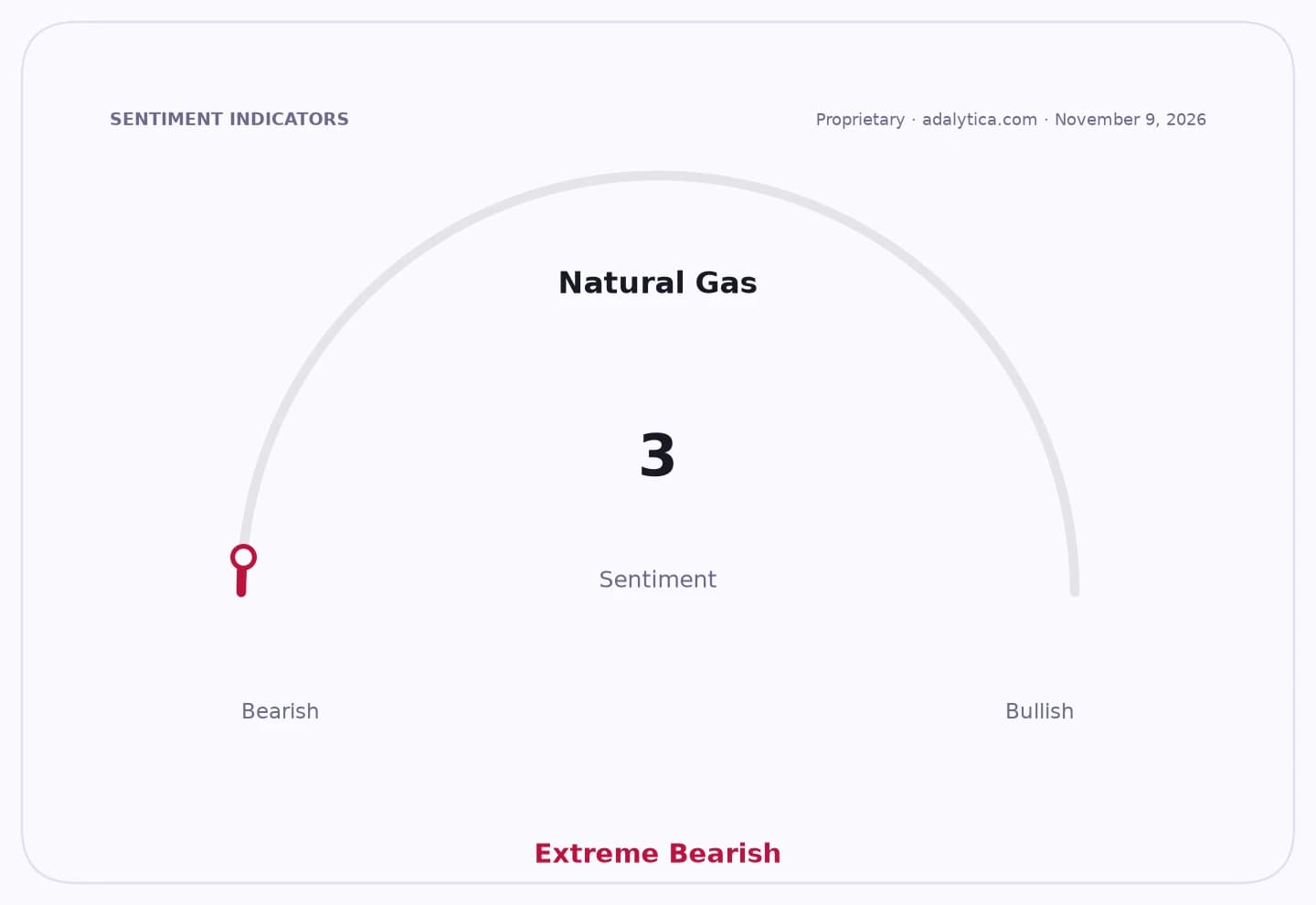
Sentiment Indicators
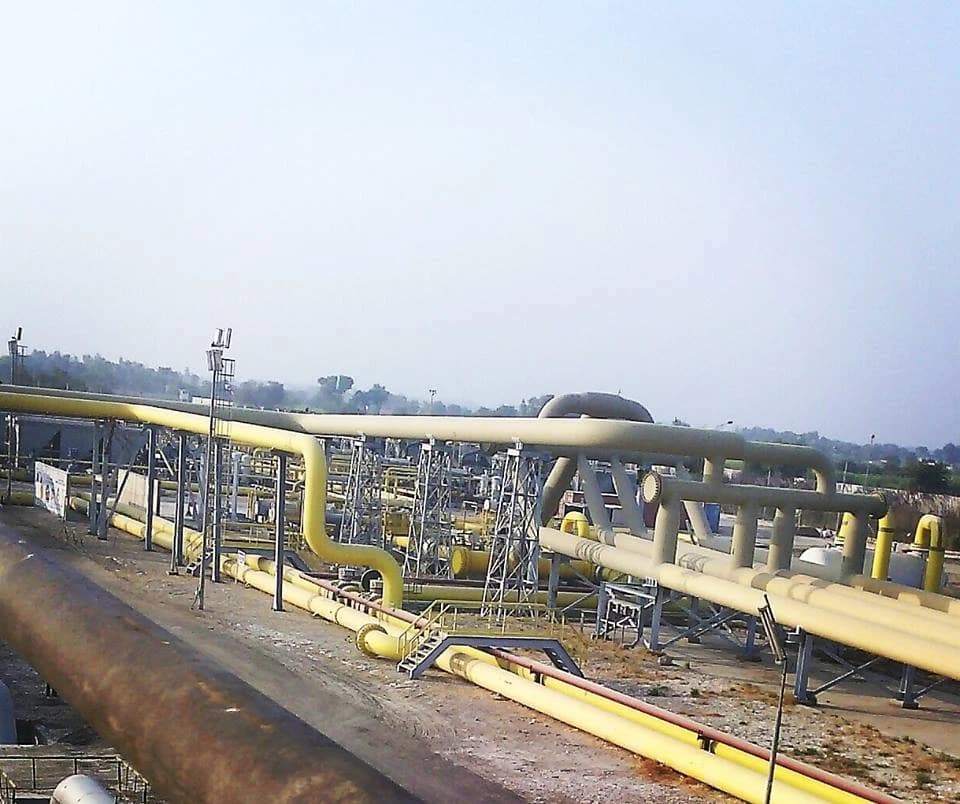
The study implies a sizeable investment cycle rather than a simple production bump. The government sees about R$15.9 billion of spending needed on key infrastructure, including pipeline links for the Raia and Sergipe Águas Profundas projects, a new terminal in Pernambuco, compression stations and completion of the Miranga processing plant in Bahia. Those projects are aimed at unlocking output that already exists geologically but cannot fully reach market without infrastructure.
Rio de Janeiro remains the country’s main supply hub, helped by the Raia project due in 2028, but the more consequential shift is the rising role of the Northeast. Its share of national supply is projected to climb to 34% from 19% over the decade, driven by Sergipe and Maranhão. That diversification matters for investors and policymakers because it reduces concentration risk in one region and could gradually improve the economics of gas distribution and power projects farther from the traditional supply centers.
The pre-salt continues to dominate the system. It is expected to account for about 74% of the integrated network’s supply through the period, underscoring that Brazil’s gas expansion remains tied to offshore oil development and associated gas rather than a standalone dry-gas boom. For Petrobras and other operators, that means gas output will remain linked to upstream capital allocation, field development and midstream takeaway capacity.
Imports are set to lose ground, especially Bolivian gas transported via the Bolivia-Brazil pipeline, which the government sees falling to 5 million cubic meters a day from 13 million by 2030. At the same time, liquefied natural gas capacity should rise with the startup of the Suape terminal and the return of the São Paulo regasification terminal. For buyers, that suggests a more flexible supply mix; for suppliers, it means more competition and a gradual erosion of Bolivia’s role in Brazil’s market.
Demand is also expected to rise, which is crucial to the investment case. Total consumption is projected to increase to 104 million cubic meters a day by 2036 from 71 million in 2026, or 3.8% a year on average. In the government’s high-demand scenario, which assumes full thermal power use, demand could reach 244 million cubic meters a day, up from 154 million, highlighting how power-sector dispatch remains the biggest swing factor for the gas market.
For investors, the story is less about a single headline number than about the direction of capital and pricing power. A larger domestic supply base and more LNG infrastructure should support pipeline, processing and terminal assets, while lowering some of the structural scarcity premium that has constrained Brazil’s gas market. The bear case is that demand grows more slowly than expected or that projects slip, leaving new infrastructure underused and returns stretched. The bull case is that the Northeast buildout, pre-salt volumes and thermal generation combine to create a deeper, more liquid gas market with better economics for the entire chain.
| Entity | Gains | Losses |
|---|---|---|
| Brazilian gas producers | ▲higher domestic outlet capacity | ▼execution and capex risk |
| LNG importers and terminals | ▲more regasification demand | ▼pipeline gas incumbents |
| Bolivian gas exporters | ▲— | ▼shrinking Brazil market share |
| Northeast states and industry | ▲better supply access | ▼delayed projects if timelines slip |