Mozambique’s long-delayed Rovuma Basin gas buildout is back on the table, and the economic stakes are large enough to matter far beyond Maputo.
Mozambique Rovuma LNG FID Targeted for 2026
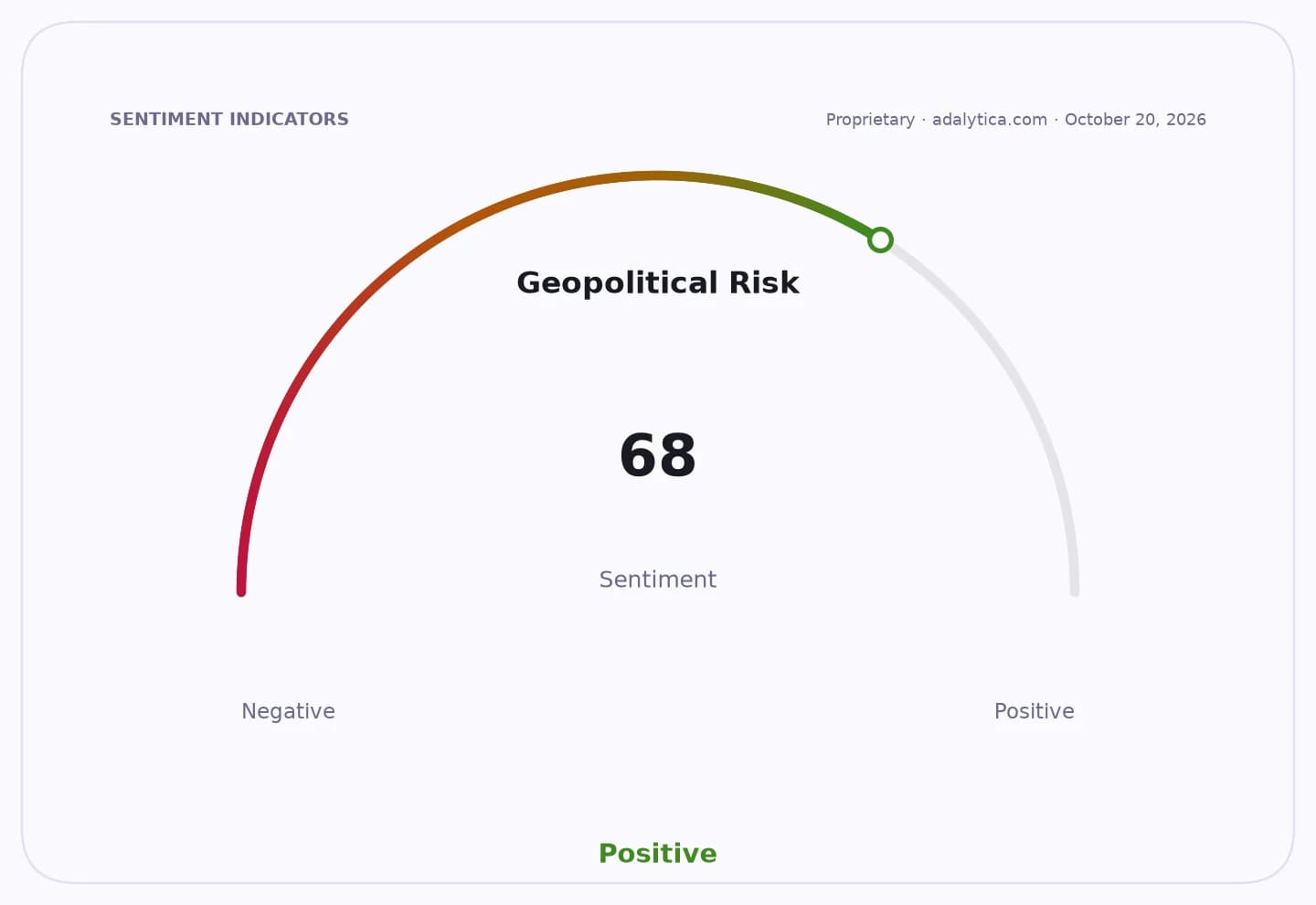
Geopolitical Risk
President Daniel Chapo met executives from ExxonMobil and Eni to review a strategic reorganization of their Mozambique gas interests, including ExxonMobil’s plan to lift its stake in Rovuma LNG to 50% and move toward a final investment decision by the end of 2026. For a country that has spent years waiting for offshore gas riches to translate into jobs, foreign exchange and infrastructure, the renewed timetable is the most important development: if the project clears the next hurdle, it could unlock more than $100 billion of value for Mozambique and create more than 7,000 jobs, according to ExxonMobil.
Sentiment Indicators
This matters because Mozambique is still trying to turn its gas reserves into a durable growth engine after years of security setbacks and project delays. A final investment decision would not only revive one of Africa’s biggest LNG hopes, it would also deepen the country’s role in the global supply chain just as buyers seek non-Russian, non-Middle East barrels and molecules for energy security. In a world where policymakers still talk about transition but industry keeps funding gas, projects like Rovuma remain central to the medium-term energy map.
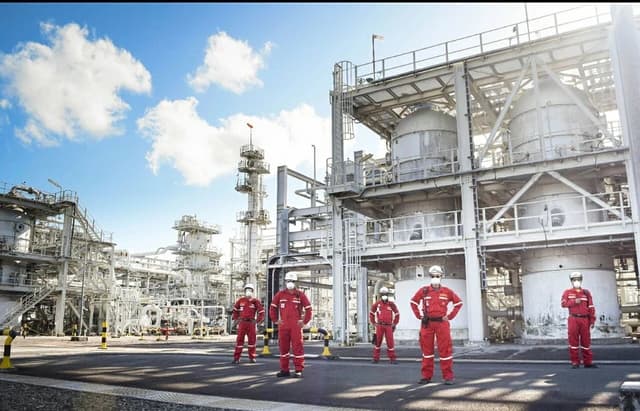
Eni’s side of the restructuring is equally important. The Italian producer said the new 50-50 framework covers Coral Sul, Coral Norte and other floating LNG projects in Area 4, a structure meant to make operations more efficient and accelerate output. Coral Sul is already producing and has generated 1,400 jobs, more than $1 billion in contracts for Mozambican firms and $19 million for sustainability programs. Coral Norte is 70% complete and is due to start up in 2028, while Eni plans an investment decision next year on a third floating unit, Mamba East.
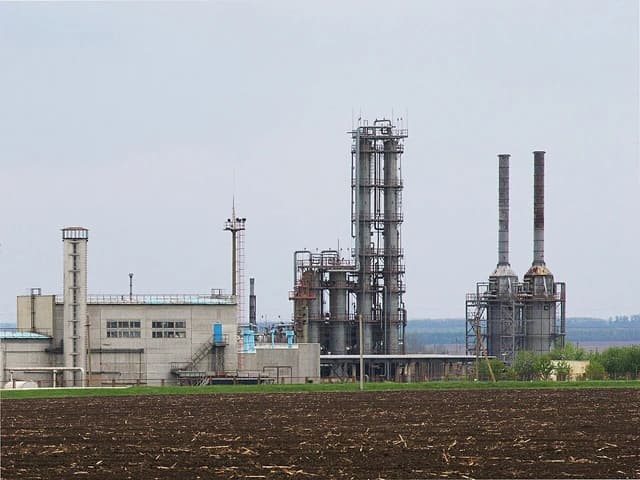
If all of that proceeds, the combined output from Coral Sul, Coral Norte and Mamba East would reach 3 million tons a year, a scale that could move Mozambique from gas hopeful to meaningful LNG exporter. Eni also said it has already invested $60 million in the energy transition and plans another $200 million in agribusiness, clean cooking, reforestation and sustainable agriculture, with benefits for 100,000 farmers by 2030 and clean cooking access for 2 million people. That is the sort of local content and social spending that helps secure political support for capital-intensive projects that need decades of stable execution.
For investors, the message is that Mozambique’s gas narrative is shifting from optionality to monetization. ExxonMobil gets a more focused upstream position, Eni gains a cleaner operating structure, and both companies keep exposure to one of the few large-scale LNG provinces still capable of adding supply in the second half of the decade. The market underestimates how powerful that combination can be in a tightening gas backdrop.
The near-term catalyst is the expected investment decision by late 2026. If the partners deliver, Mozambique could emerge as one of the clearest long-duration LNG growth stories on the continent, while ExxonMobil and Eni strengthen their portfolios with low-cost, geopolitically diversified supply. For investors looking for the next wave of energy infrastructure upside, this is the kind of project worth watching before consensus catches up.
| Entity | Gains | Losses |
|---|---|---|
| Mozambique | ▲Jobs, FX, tax revenue | ▼Project delay risk |
| ExxonMobil | ▲Bigger Rovuma stake | ▼Capital tied up longer |
| Eni | ▲Cleaner asset structure | ▼Smaller direct control |
| LNG buyers | ▲Future supply security | ▼Existing high-cost suppliers |