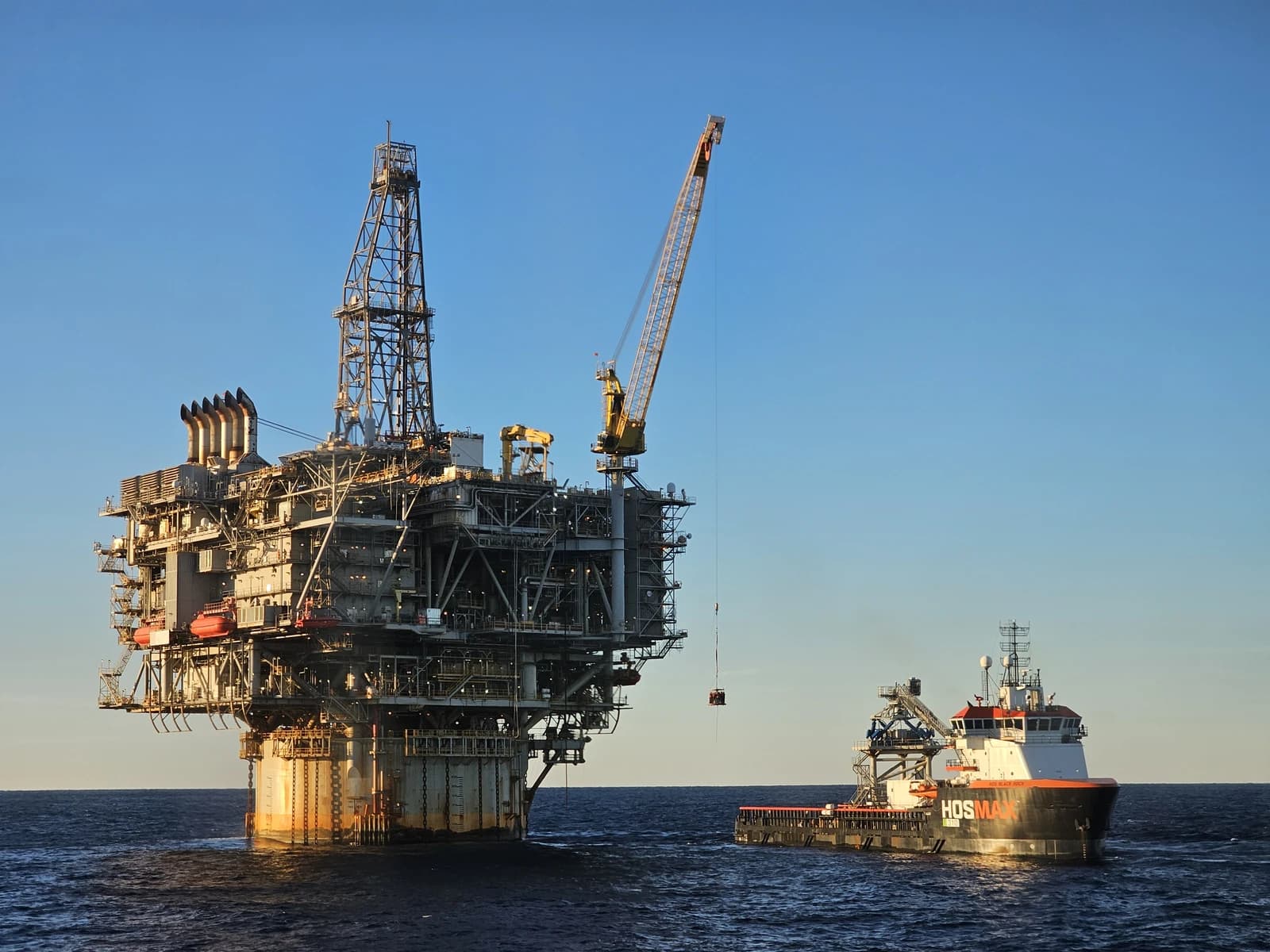
ExxonMobil has started oil production from Uaru, its fifth offshore Guyana development, pushing the country’s installed production capacity to 1.1 million barrels a day and strengthening one of the biggest new sources of supply in global energy markets.
ExxonMobil Starts Uaru Oil Production in Guyana
That matters because Guyana’s rise is no longer just a geological success story — it is becoming a meaningful swing factor in future crude availability, cash generation for Exxon and its partners, and the country’s broader economic growth. With oil prices still elevated by historical standards and the oil market sensitive to every new barrel, the start-up adds another long-life project to a basin that has quickly become central to the investment case for ExxonMobil’s upstream business.
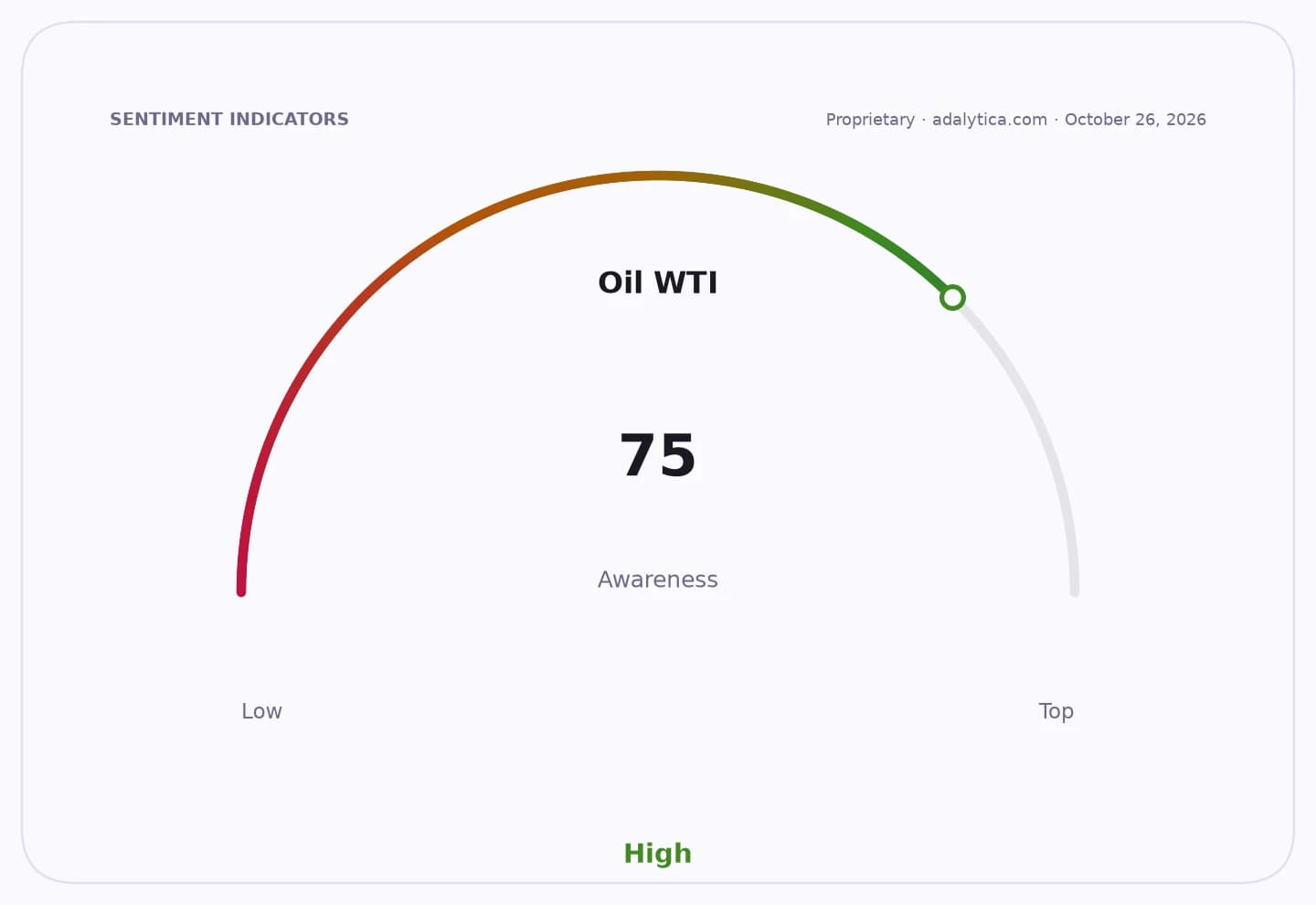
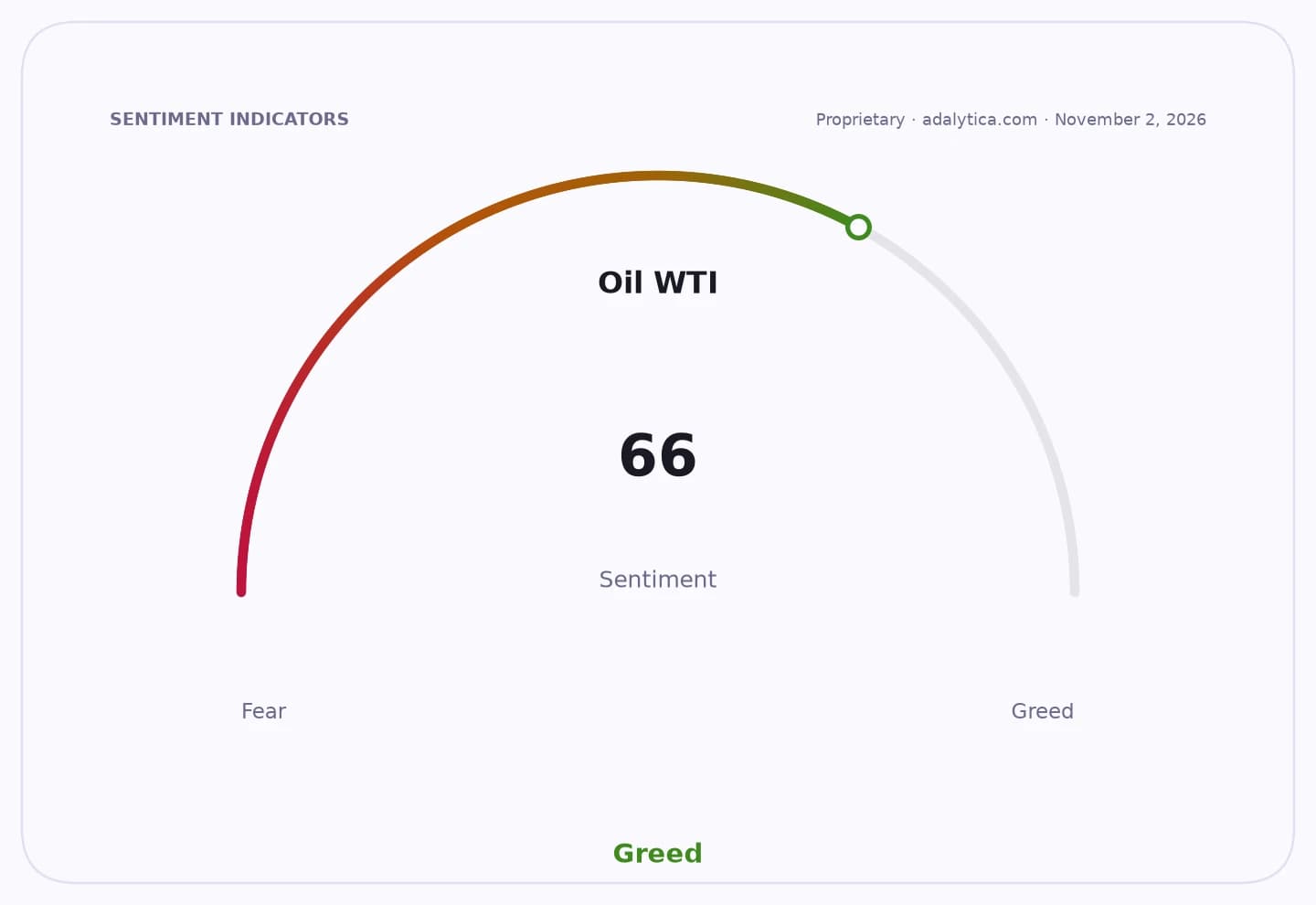
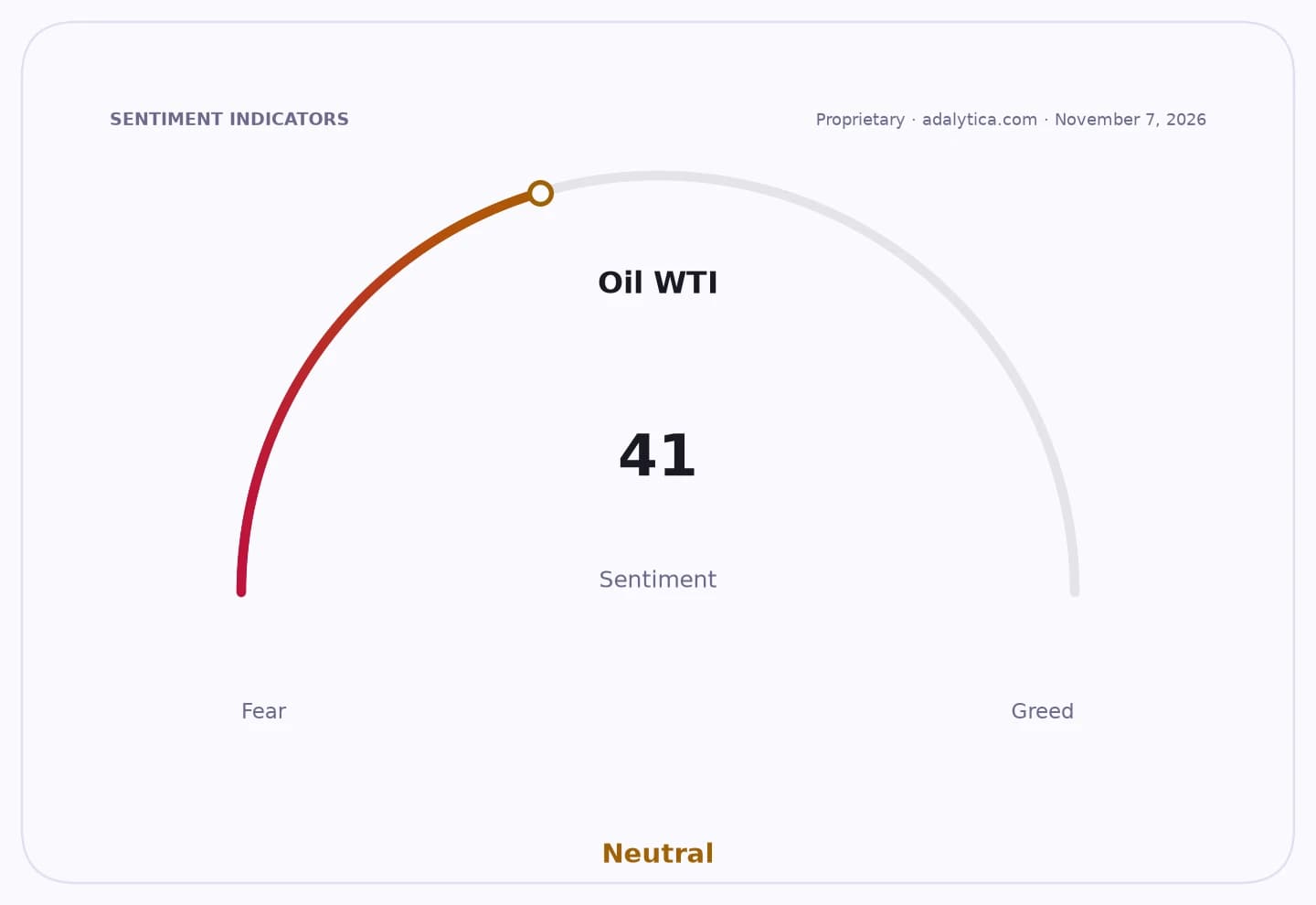
Sentiment Indicators
The Uaru field is estimated to contain more than 800 million barrels of oil, and the floating production vessel Errea Wittu is expected to reach an initial output rate of 250,000 barrels a day by the first quarter of 2027. Once fully ramped, the project will join Destiny, Unity, Prosperity and One Guyana in a fleet that has transformed Guyana from a frontier producer into a major offshore oil exporter in barely a decade.
For investors, the appeal is obvious. Exxon controls 45% of the Stabroek block, with Chevron’s Hess Guyana unit holding 30% and China’s CNOOC Petroleum Guyana owning 25%. That structure gives Exxon a large share of a high-quality resource base that is still being developed at scale, while the latest start-up reinforces the company’s ability to convert discoveries into cash-producing projects. Exxon also recently made a final investment decision on Longtail, its eighth development in the block, suggesting the growth runway is far from over.
The broader economic significance extends beyond Exxon’s earnings. Guyana’s government gains higher output, more export revenue and more room for public investment, while local vendors and workers continue to benefit from the buildout. Exxon says it and its co-venturers have spent more than $3.9 billion with Guyanese suppliers since 2015, underscoring how deeply the project has been woven into the country’s economy.
There are still risks, of course. Offshore megaprojects can face cost overruns, execution delays and political pressure over how the benefits are shared. But the bigger picture for long-term investors is hard to miss: Guyana is emerging as a durable oil province, and Exxon is still one of the best-positioned companies to profit from it. For patient investors, this remains a story worth watching closely — and one that supports holding ExxonMobil for the long term.
| Entity | Gains | Losses |
|---|---|---|
| ExxonMobil | ▲Higher output and reserve monetization | ▼Execution and capital-risk exposure |
| Chevron/Hess | ▲Partnered production growth | ▼Slower payoff if delays emerge |
| CNOOC | ▲Share of high-margin offshore barrels | ▼Limited control as minority partner |
| Guyana | ▲Export revenue and jobs | ▼Exposure to oil dependence and project risk |