Guyana’s growing gas output is becoming more than a nearby oil story: it is shifting from a purely offshore resource into a potential onshore power and industrial catalyst, with implications for state spending, energy costs and the country’s export mix.
Guyana Gas Output Could Power Onshore Industry
Oil WTI
The core economic significance is that Guyana is moving closer to monetizing gas at scale rather than flaring or reinjecting it as a by-product of oil production. That matters because natural gas can underpin lower-cost electricity, reduce diesel dependence and support manufacturing, all of which would broaden the economy beyond crude exports. For a country whose recent growth has been dominated by offshore oil, domestic gas infrastructure could turn an energy windfall into a wider productivity story.
Sentiment Indicators
The market backdrop is also turning more favorable for gas-linked assets. US natural gas prices remain under pressure, with the front-month benchmark weakened sharply in recent sessions and Adalytica’s natural gas trade signals showing “fear” and a falling sentiment reading. Oil, by contrast, has held firmer, suggesting investors are still pricing a more resilient broader hydrocarbon market even as gas-specific sentiment softens. In that environment, Guyana’s gas project is less about capturing a spike in global prices than about building strategic domestic value from a resource that can improve power reliability and reduce import costs.
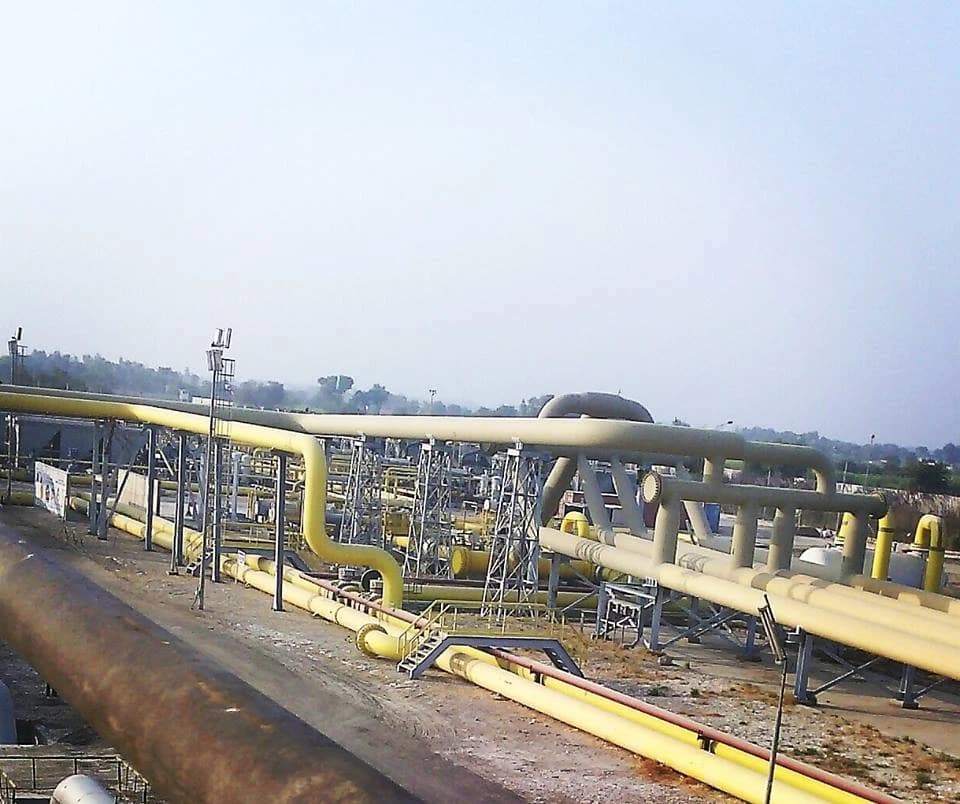
That is why the offshore-to-onshore narrative matters. Offshore gas discoveries only create full economic value if there is infrastructure to move and process the gas. An onshore plant would allow Guyana to convert associated gas into electricity and potentially petrochemicals, improving the economics of its energy system and supporting fiscal revenues over time. Without that buildout, the country risks leaving value stranded offshore while continuing to rely on imported fuels and expensive generation.
For investors, the story sits at the intersection of sovereign capex, energy infrastructure and upstream development. Energy majors and service providers with exposure to Guyana could benefit if gas monetization accelerates, while local power consumers and industrial users would gain from cheaper, more reliable electricity. The bear case is execution: gas projects are capital-intensive, require coordinated pipelines and processing facilities, and can be delayed by procurement, policy or financing bottlenecks. There is also the risk that global gas prices stay soft, which could temper near-term export economics even if domestic power benefits remain intact.
The broader implication is that Guyana is entering a second phase of its energy story. The first phase was offshore oil development and headline growth. The next is whether gas can be turned into a domestic industrial platform that lowers costs, lifts resilience and gives the economy a more balanced production base. How quickly that happens will determine whether the gas boom becomes a national transformation or remains an upstream footnote.
| Entity | Gains | Losses |
|---|---|---|
| Guyana government | ▲Cheaper power, wider tax base | ▼Upfront infrastructure burden |
| Households and industry | ▲Lower electricity costs | ▼Continued import dependence if delayed |
| Oil and gas developers | ▲New monetization route | ▼Execution and capex risk |
| Diesel generators/importers | ▲— | ▼Demand erosion from gas power |