The global natural gas market is more resilient than it was a decade ago, but the latest International Energy Agency report makes one thing clear: flexibility has not made gas prices immune to geopolitical shocks.
Global gas prices stay exposed to geopolitical shocks
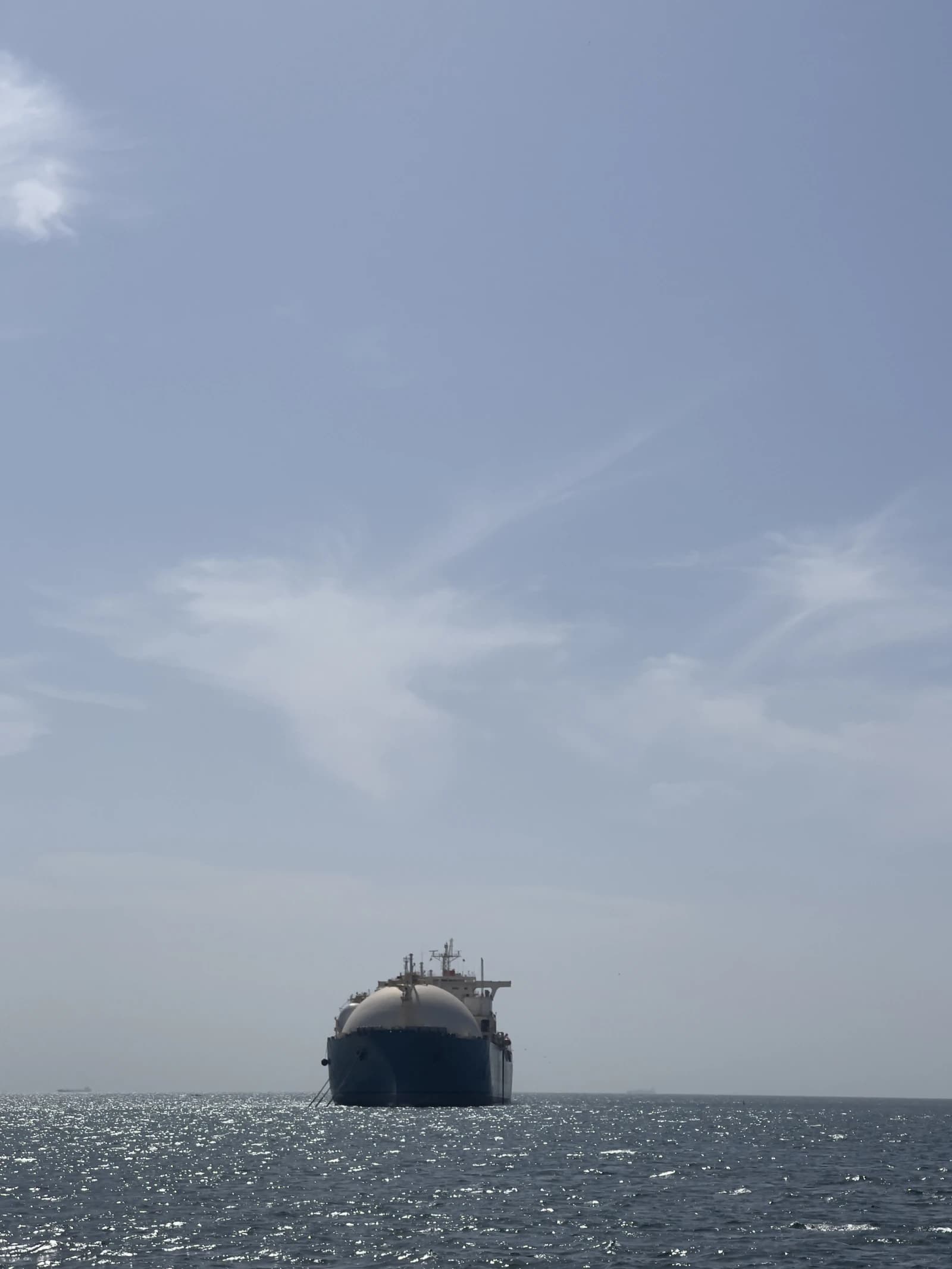
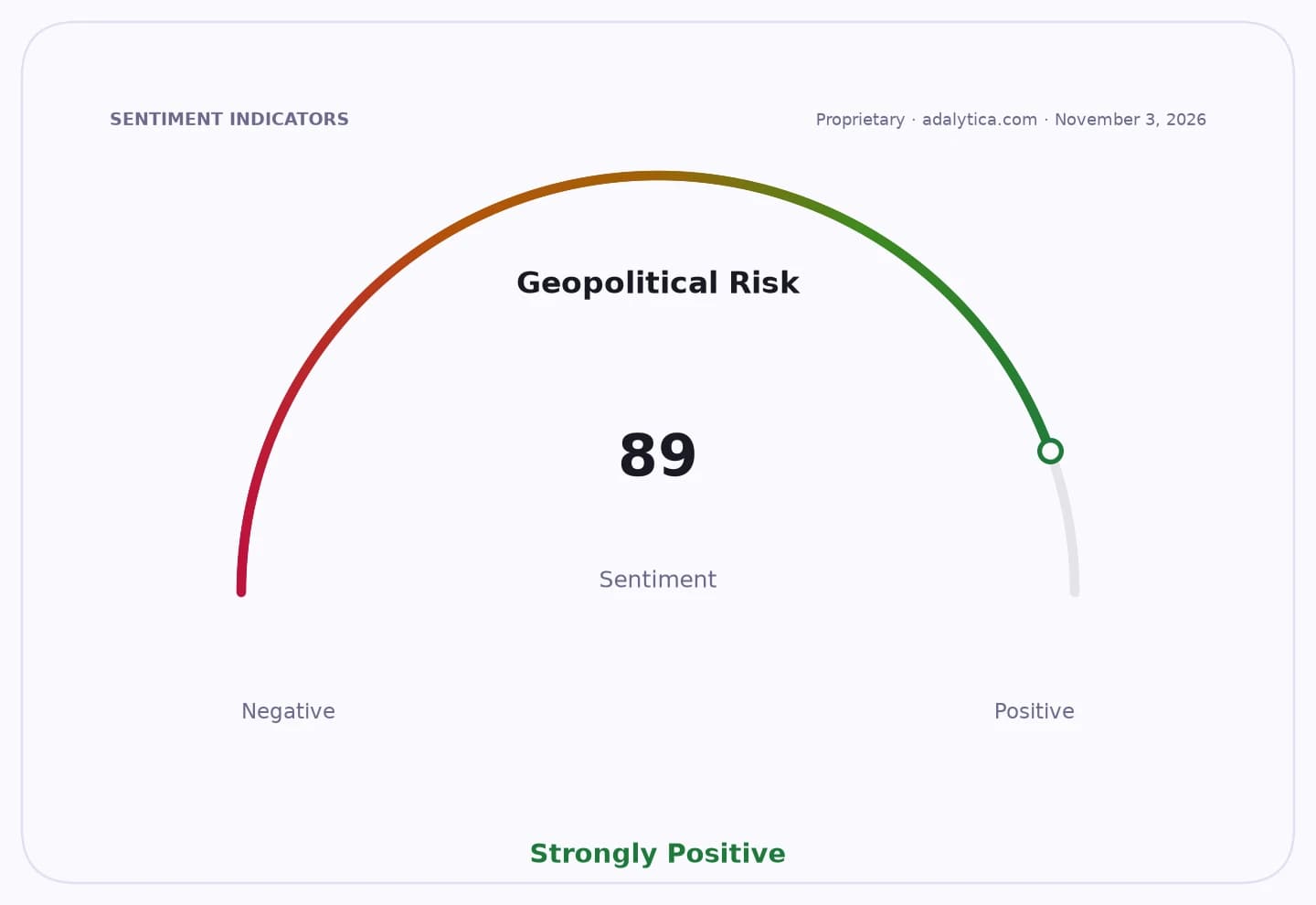
That is the real message for investors. Spot trading has deepened, LNG contracts are more flexible and regional markets are now more tightly connected, which helps buyers reroute cargoes and absorb disruptions. But the IEA says the market has also become more complex, and this year’s strain around the Strait of Hormuz proved the point. When LNG flows through the waterway effectively stalled, shipments from Qatar and the United Arab Emirates fell by more than 60 billion cubic meters between March and October, helping push gas prices in Asia and Europe to their highest levels since the 2022-2023 supply crisis.
Sentiment Indicators
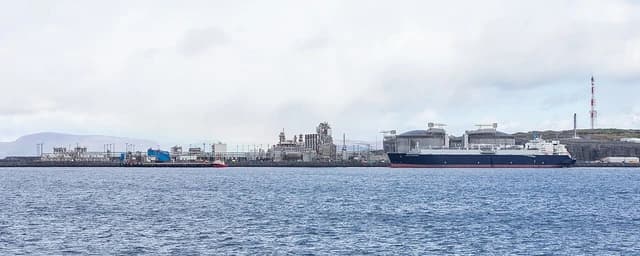
For the economy, the shift cuts both ways. A more liquid, interconnected market is good news for importers because it reduces the odds of a single disruption turning into a full-blown shortage. It also gives utilities, traders and governments more options when supplies tighten. But greater interdependence means shocks travel faster. A disruption in the Middle East no longer stays local; it can ripple through Europe, Asia and the global LNG chain at once.
That is why the IEA’s annual review matters beyond the headlines. Since the report was first published in 2016, the gas market has moved from a relatively rigid regional system toward one that is global, tradable and increasingly responsive to price signals. That is a structural improvement. It is also why gas has become harder to forecast. The market is no longer just about production volumes and storage. It is also about shipping lanes, contract flexibility, arbitrage opportunities and how quickly cargoes can be diverted when geopolitics intervenes.
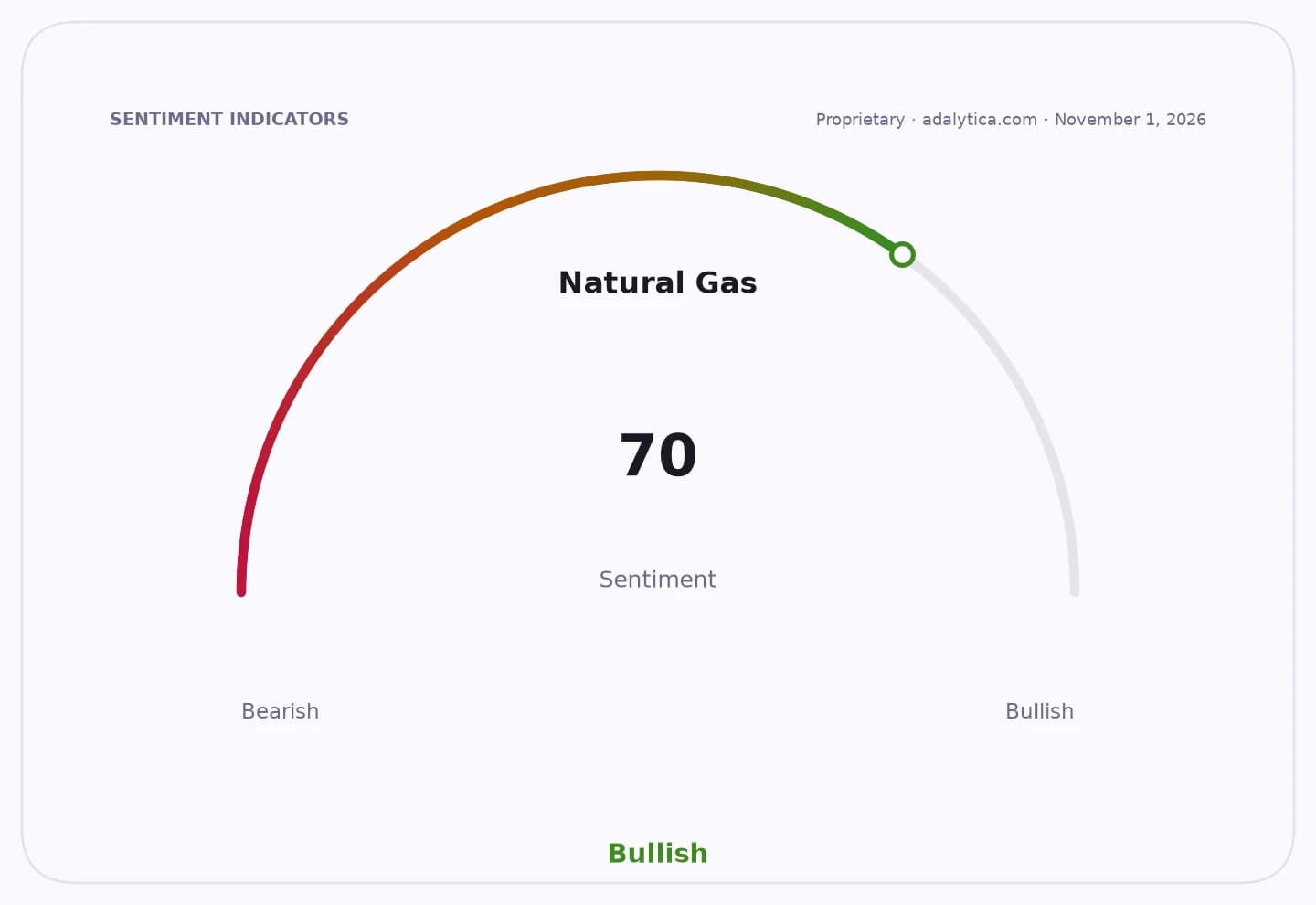
Natural Gas — 30-day sentimentadalytica.com
Explore this data interactively — full history, time series and cross-market comparisons.
Investors have already felt that in the tape. The United States Natural Gas Fund, or UNG, has slid to about $9.21 from $16.90 earlier this year, while its relative strength index has fallen to 13, a level that points to deeply oversold conditions. The XLE energy ETF has also retreated from a late-October peak above $70 to about $63.67, even as broader energy prices remain sensitive to Middle East risk. That tells you the market is still trying to decide whether this is a short-lived geopolitical premium or the start of a more durable tightening cycle.
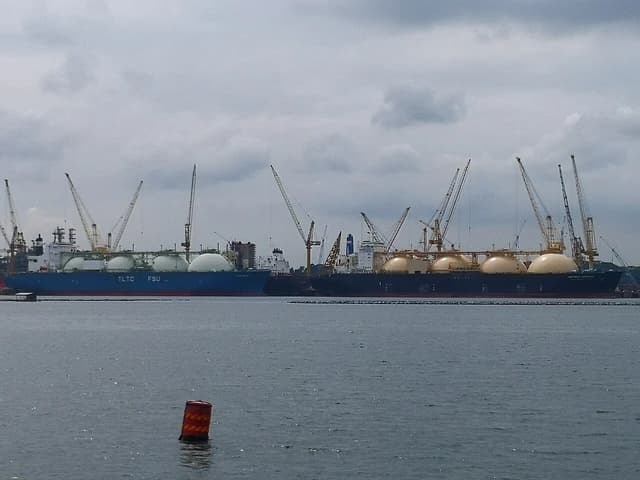
For producers, the setup is mixed. Exporters with low-cost gas, LNG infrastructure and reliable shipping access remain best placed to benefit when volatility rises. Buyers, especially in Europe and Asia, gain from a more flexible market in normal times, but they are still exposed when key routes are threatened. That tension is exactly why LNG infrastructure, storage capacity and long-term supply contracts remain so important.
The big takeaway is that global gas is now a more investable and more efficient market than it was a decade ago, but it is not a safer one. Investors should treat price swings as a reminder that gas remains a geopolitical asset as much as a commodity. The long-term winners are likely to be the companies and countries that can move molecules efficiently, secure optionality and withstand supply shocks. That makes the sector worth watching closely, especially for patient investors who understand that energy markets reward resilience over time.
| Entity | Gains | Losses |
|---|---|---|
| LNG exporters with flexible contracts | ▲Higher pricing power | ▼Less predictable volumes |
| Gas importers in Europe and Asia | ▲More rerouting options | ▼Exposure to supply shocks |
| U.S. energy producers and LNG players | ▲Stronger export demand | ▼Margin pressure if prices fall |
| Consumers and utilities | ▲Better supply resilience | ▼Higher fuel bills during disruptions |