ExxonMobil’s decision to prioritize reinjecting gas from Guyana’s Stabroek block is forcing a rethink of the country’s LNG ambitions, cutting the proposed Fulcrum LNG project from 6 million tons a year to as little as 3 million tons or potentially scrapping it altogether.
Guyana LNG plan cut as Exxon prioritizes gas reinjection

The shift matters because it exposes the central trade-off in Guyana’s energy boom: the same gas stream that could underpin exports, power generation and industrialization is being diverted to sustain crude oil output from the offshore fields that have transformed the country’s finances. For investors, the issue is not simply whether one LNG project moves forward, but whether Guyana can convert a resource windfall into a broader energy platform or remain dependent on the commercial priorities of ExxonMobil and its partners.
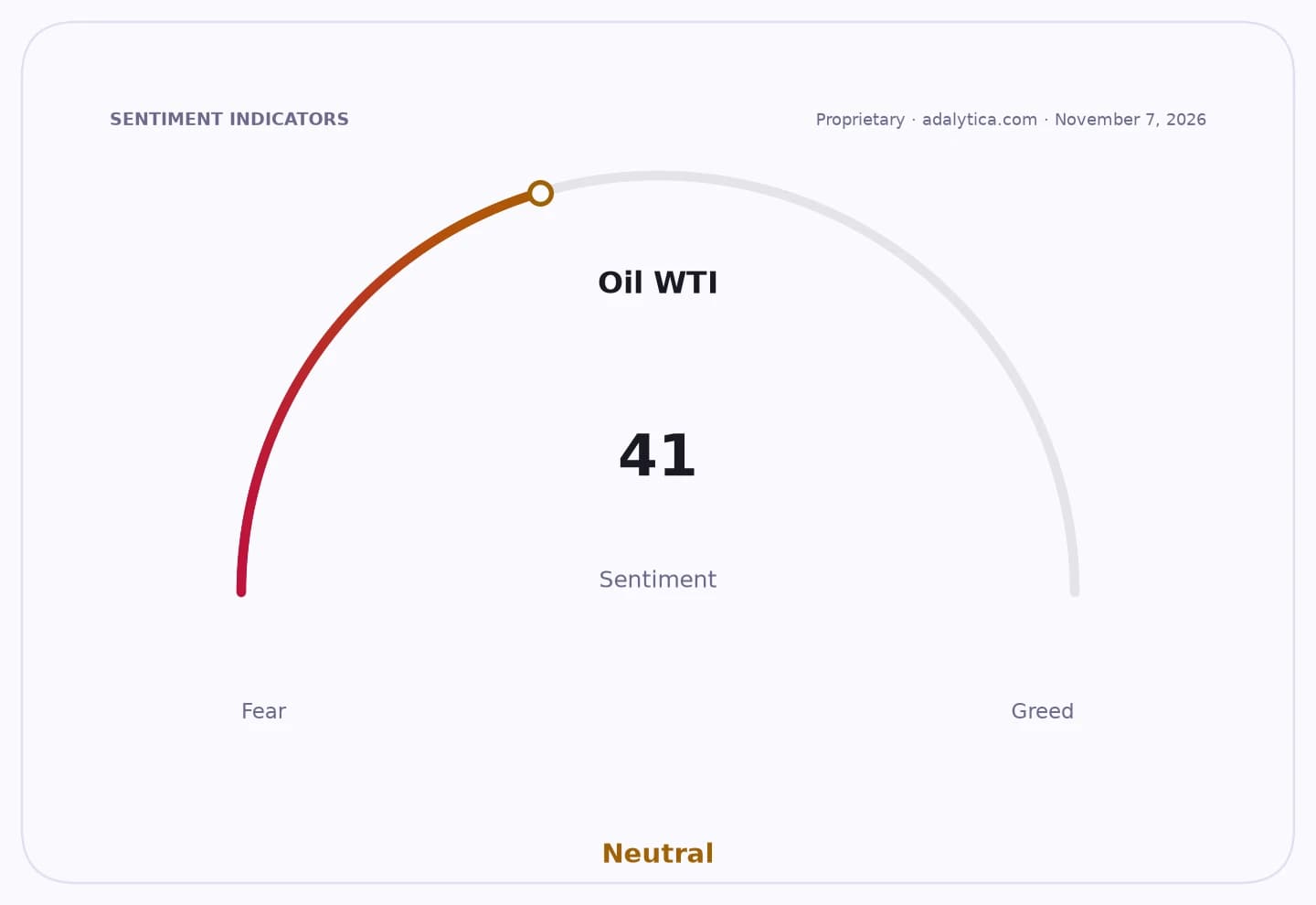
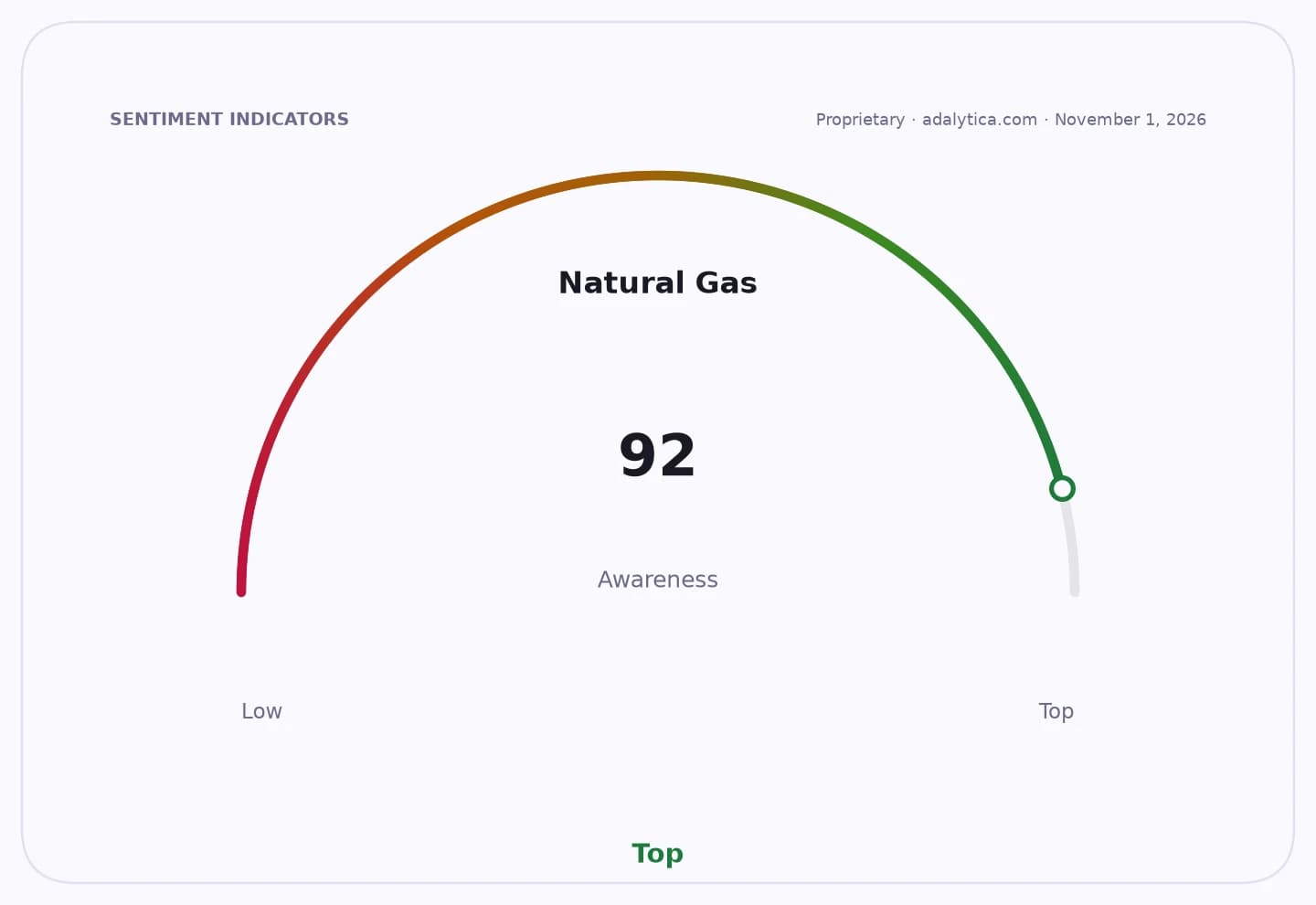
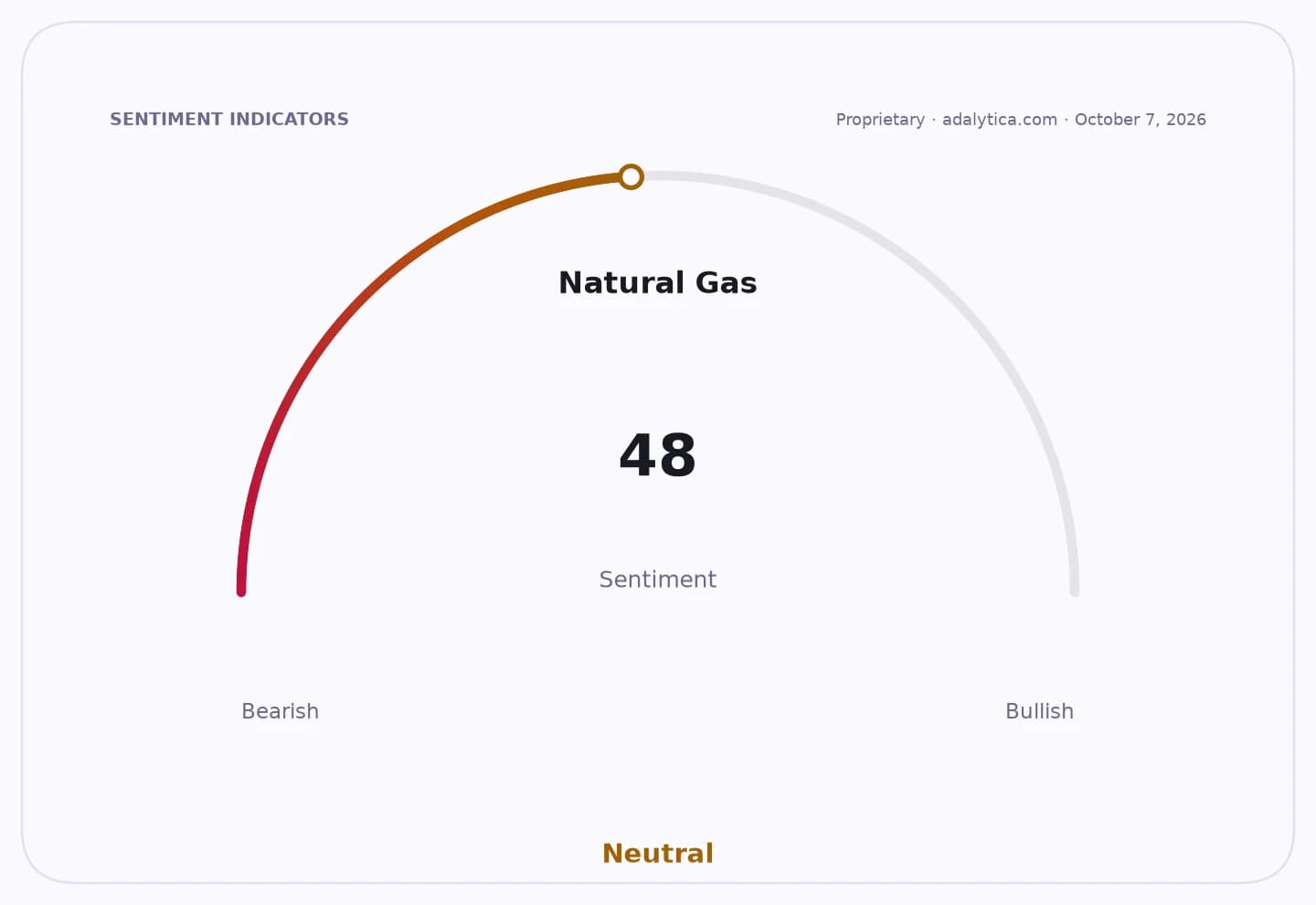
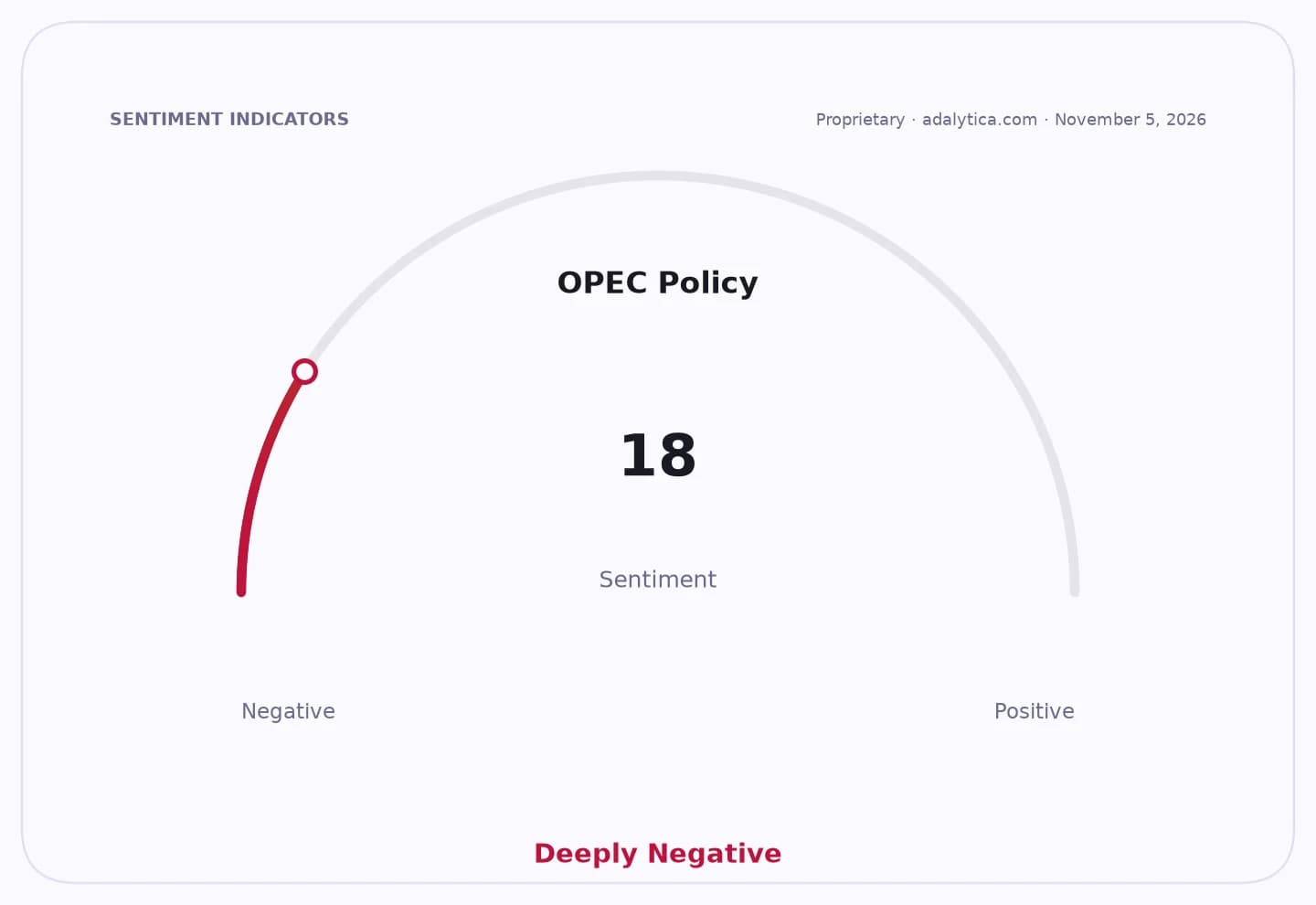
Sentiment Indicators
According to the report, ExxonMobil is seeking about 2 billion cubic feet of gas a day for operational purposes, mainly to maintain reservoir pressure in the deepwater fields. That reinjection requirement limits the supply available for a floating LNG terminal and leaves domestic projects — from electricity generation and fertilizer production to the planned industrial zone in Berbice — facing uncertainty over feedstock availability.
The economics explain the choice. Every barrel of oil preserved in Stabroek is highly valuable for ExxonMobil, Chevron and CNOOC, and the upstream model rewards maximizing crude recovery before allocating gas to lower-return uses. For Guyana, however, the opportunity cost is significant: LNG exports would have offered foreign-currency earnings, while gas-to-power could have lowered electricity costs and supported downstream industry. Halving or cancelling the project would slow those spillovers and keep the economy more narrowly tied to oil revenues.
The story also points to a broader development risk. Guyana has become one of the world’s fastest-growing oil producers, but its ability to translate that output into industrial capacity depends on access to gas and on decisions made by the consortium operating offshore. ExxonMobil is already seeking approval for new non-associated gas discoveries at Longtail and Haimara, but those volumes are not yet enough to resolve the near-term constraint.
For investors, the immediate implication is that Guyana’s gas optionality looks less certain than the oil growth narrative that has drawn capital to the basin. Oil-focused producers may still benefit from sustained output growth, but infrastructure builders, LNG contractors and prospective industrial users now face a less predictable project pipeline. The next catalyst will be whether Georgetown and its partners can agree on a gas allocation framework that supports both crude maximization and the country’s longer-term development agenda.
| Entity | Gains | Losses |
|---|---|---|
| ExxonMobil consortium | ▲Higher oil recovery | ▼Less gas for LNG |
| Guyana government | ▲Potential oil revenue | ▼Slower gas-led industrialization |
| Fulcrum LNG | ▲Possible smaller project | ▼Feedstock uncertainty |
| Domestic power and industry users | ▲Longer-term hope for gas | ▼Delayed access to cheap gas |