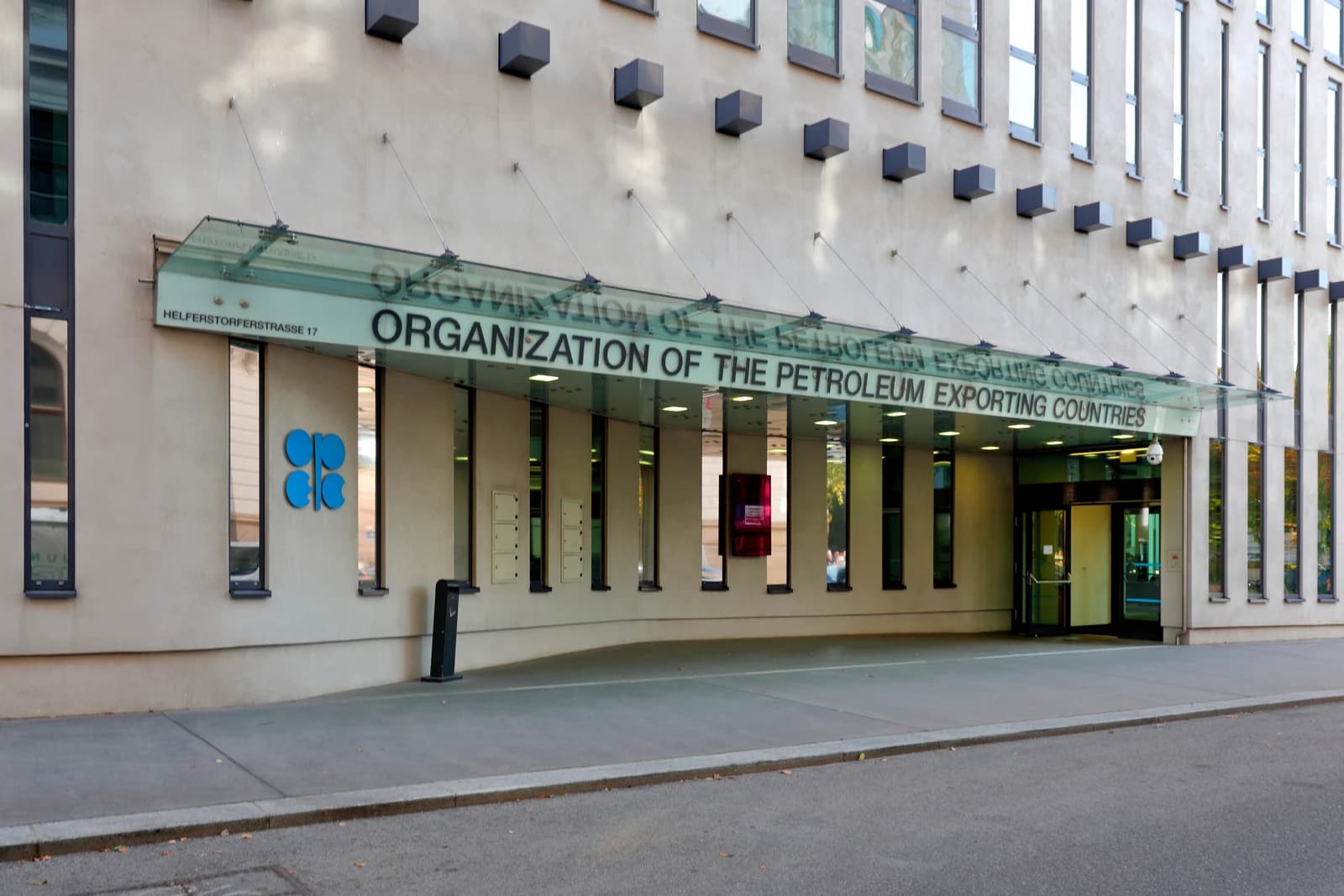
OPEC+ has agreed in principle to keep December oil production targets unchanged, a move that could help prevent a fresh price shock while the Middle East war continues to disrupt flows and the group turns its attention to 2027 quotas.
OPEC+ keeps December oil targets unchanged
OPEC Policy
The decision matters because it signals that the producer alliance is still prioritizing price stability over market-share gains at a time when supply is already fragile. Gulf exporters are increasing shipments that had been disrupted for months by the Iran war, but many OPEC+ members are still pumping below quota, limiting the risk of an immediate flood of crude.
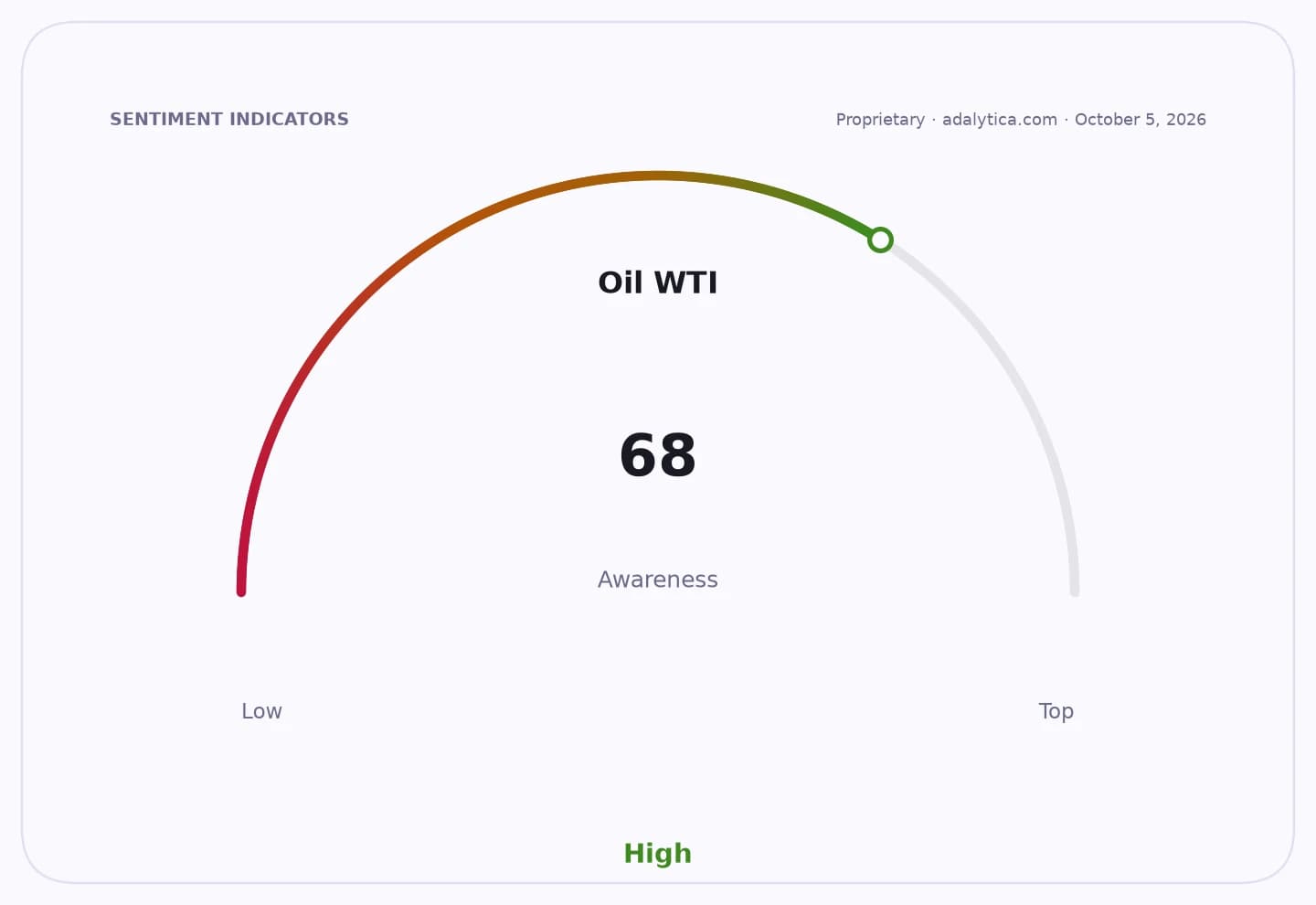
Sentiment Indicators
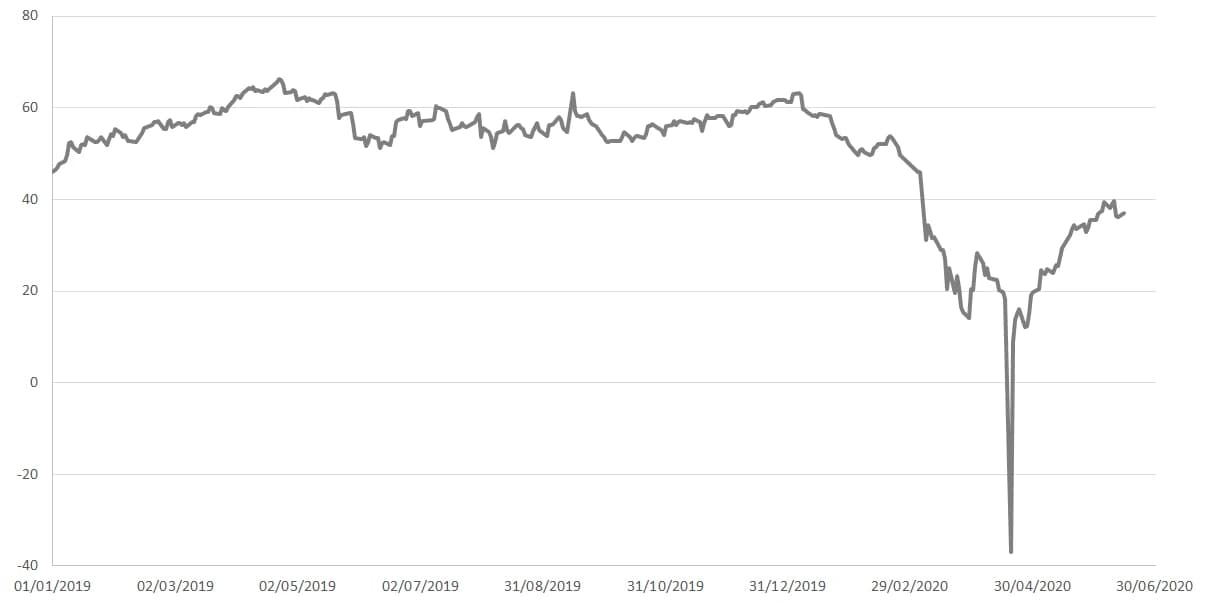
For investors, the key takeaway is that OPEC+ is not loosening the market just as crude has been whipsawed by geopolitics and major producers’ supply constraints. Brent and WTI traders were already pricing a delicate balance, with U.S. crude recently around $90 a barrel after touching far higher levels earlier this year, and the latest OPEC+ pause reinforces the idea that the cartel is comfortable letting the market stay tight. That is a constructive backdrop for integrated oil majors and still-supportive for the cash flows of producers, while it raises the hurdle for refiners and fuel-sensitive sectors that benefit from lower feedstock costs.
The group’s in-principle decision is expected to be confirmed at an online meeting on Nov. 1 and follows the September completion of a phased rollback of a 1.65 million-barrel-a-day supply cut agreed in 2023. OPEC+ still has another layer of cuts totaling about 2 million barrels a day in place through the end of 2026, and it must also finish a review of members’ production capacity before setting 2027 baselines, which will determine future quotas and how quickly those remaining cuts can eventually be unwound.
That longer-dated review is where the real market setup sits. The immediate message is restraint, but the bigger story is that OPEC+ is preserving optionality until it has a clearer read on spare capacity and regional risk. In a market still being shaped by Middle East disruption, that caution supports a firmer crude floor and keeps the energy trade alive for investors willing to lean into upstream exposure rather than chase the fantasy of an oversupplied oil market.
| Entity | Gains | Losses |
|---|---|---|
| OPEC+ producers | ▲Supported prices | ▼Less volume growth |
| Integrated oil majors | ▲Stronger cash flow | ▼Lower windfall from cheaper crude |
| U.S. shale producers | ▲Firmer WTI backdrop | ▼Limited upside from supply easing |
| Refiners and consumers | ▲Some stability | ▼Fewer chances for cheaper fuel |