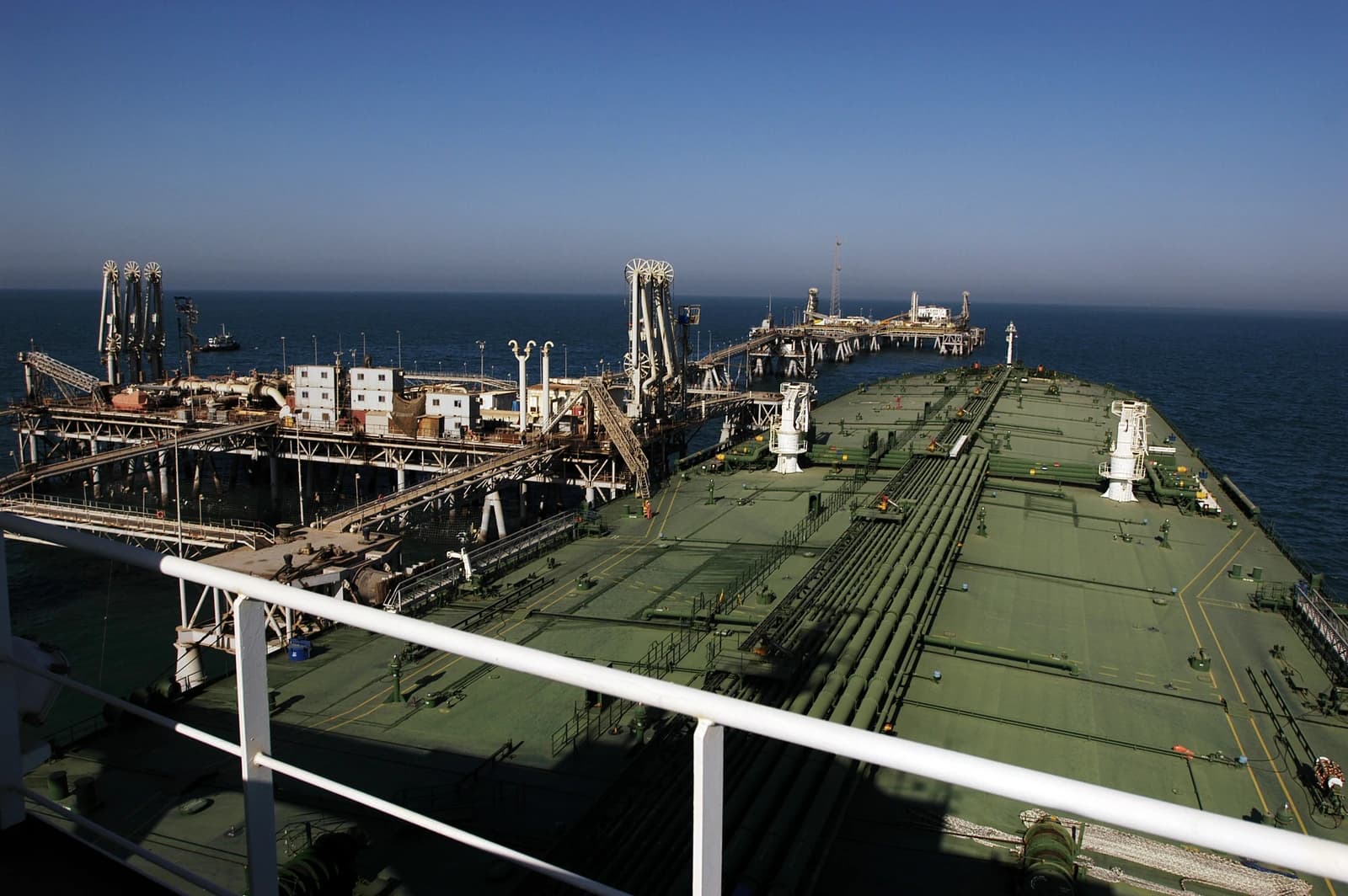
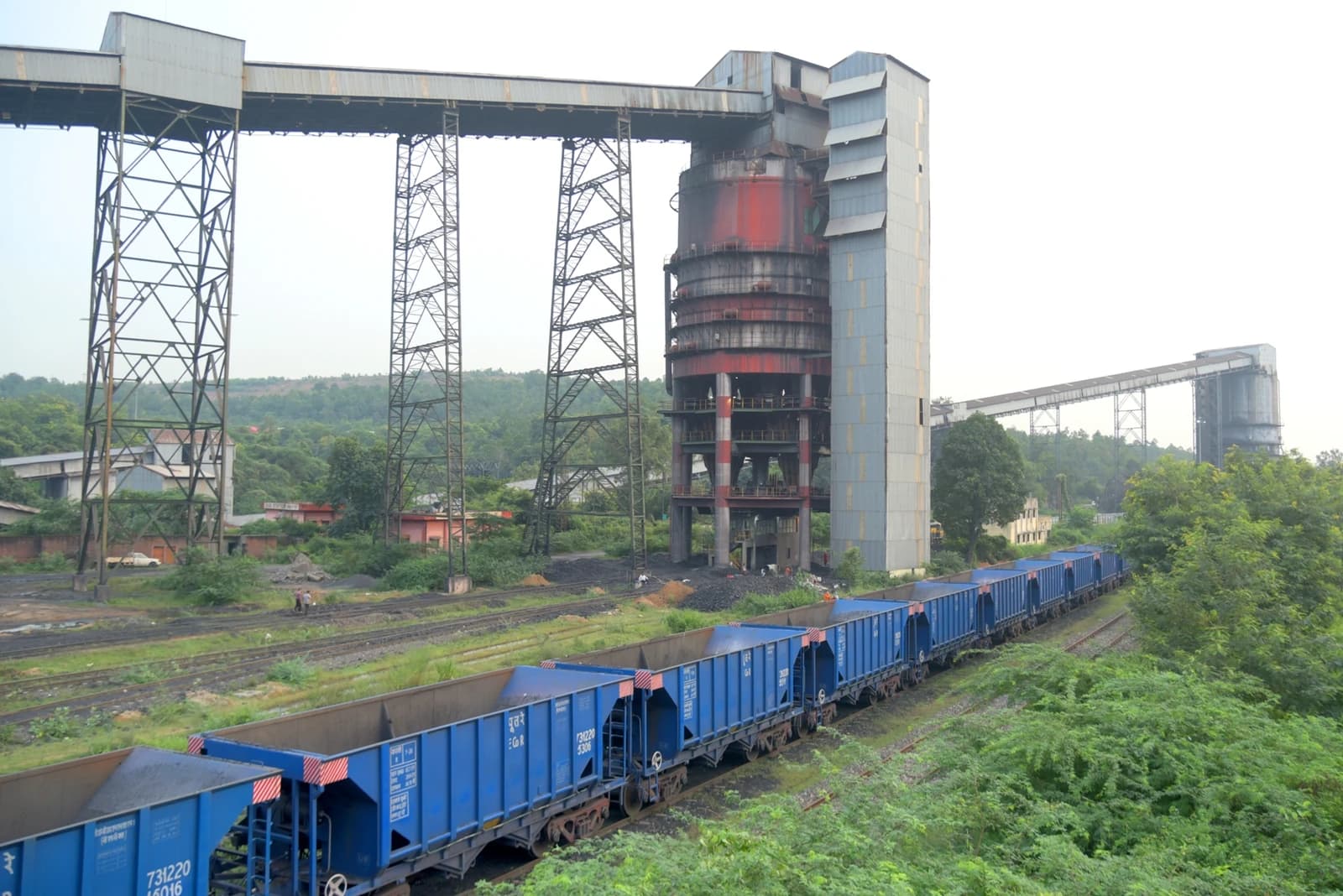
Hundreds of job seekers flocking to a hiring fair in Trinidad for work in Guyana underscore how quickly the country’s offshore oil boom is pulling in labor, capital and service demand across the Caribbean — and why investors should treat Guyana as more than a single-country energy story.
Guyana oil boom draws Trinidad job seekers
The surge in applications is a direct sign that the expansion at Exxon Mobil’s Guyana developments and related projects is moving beyond drilling and into the real economy. As oil output rises, so does demand for construction workers, tradespeople, logistics staff and support services, creating a spillover effect that can lift regional employment, wages and cross-border business activity.
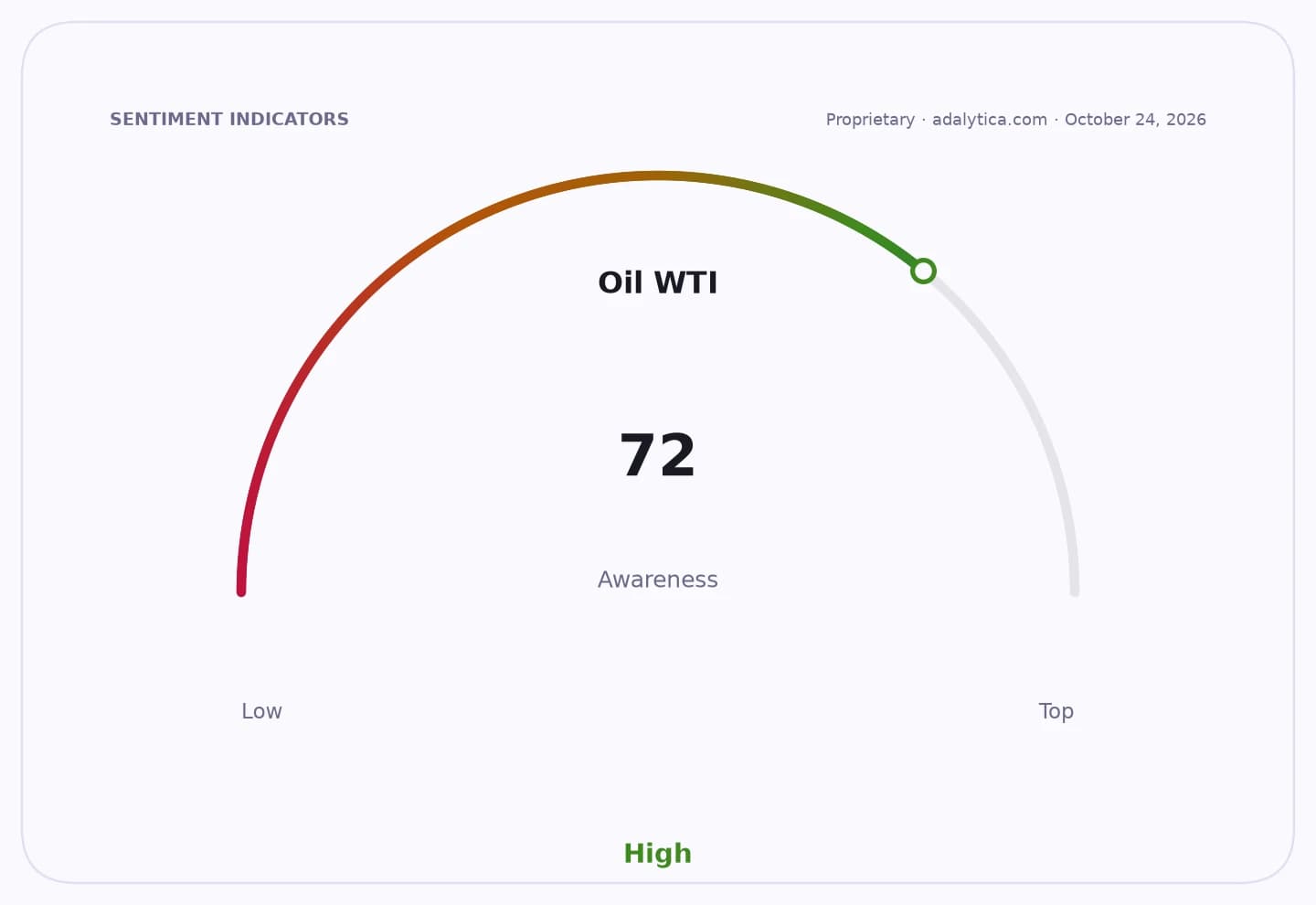
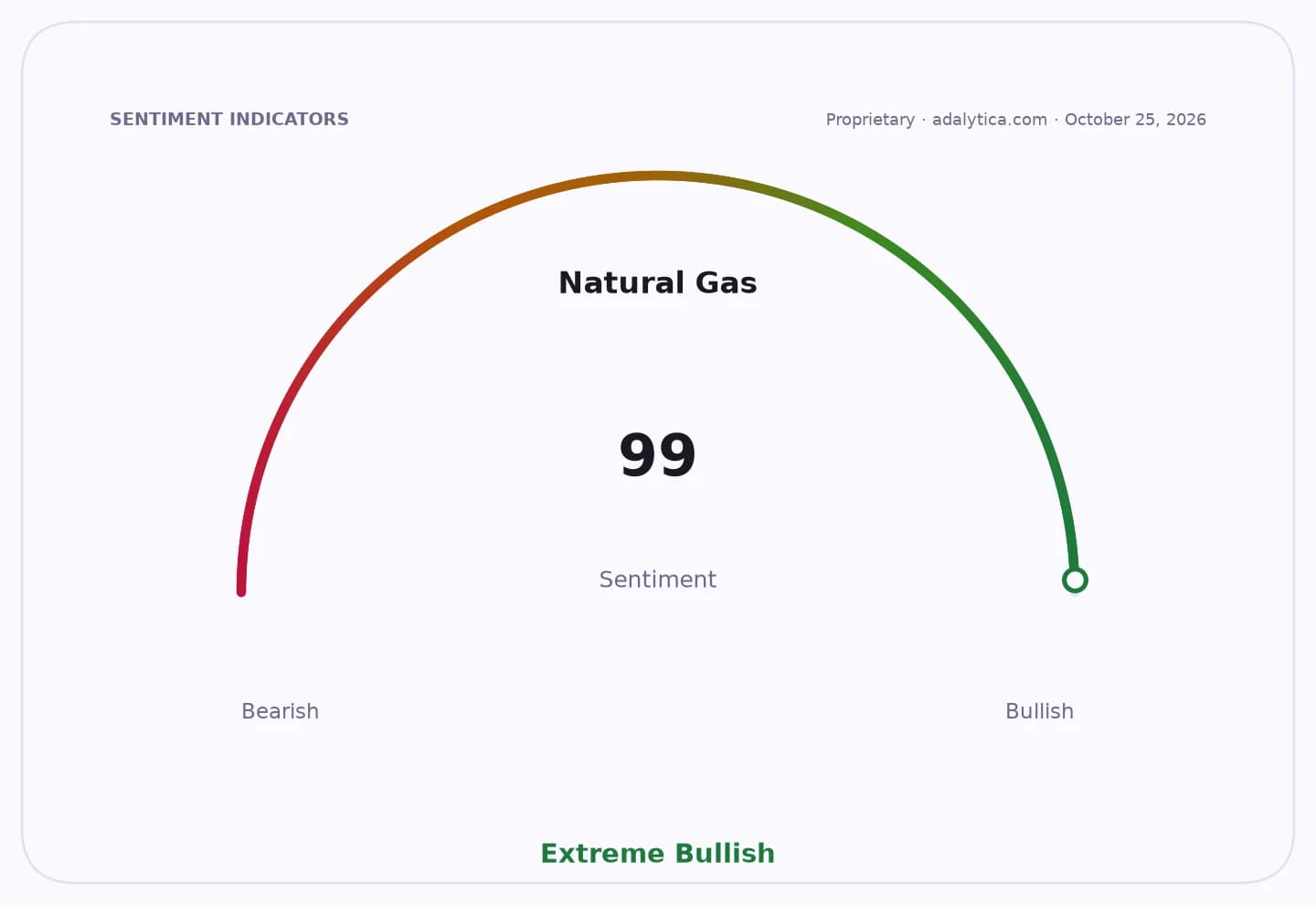
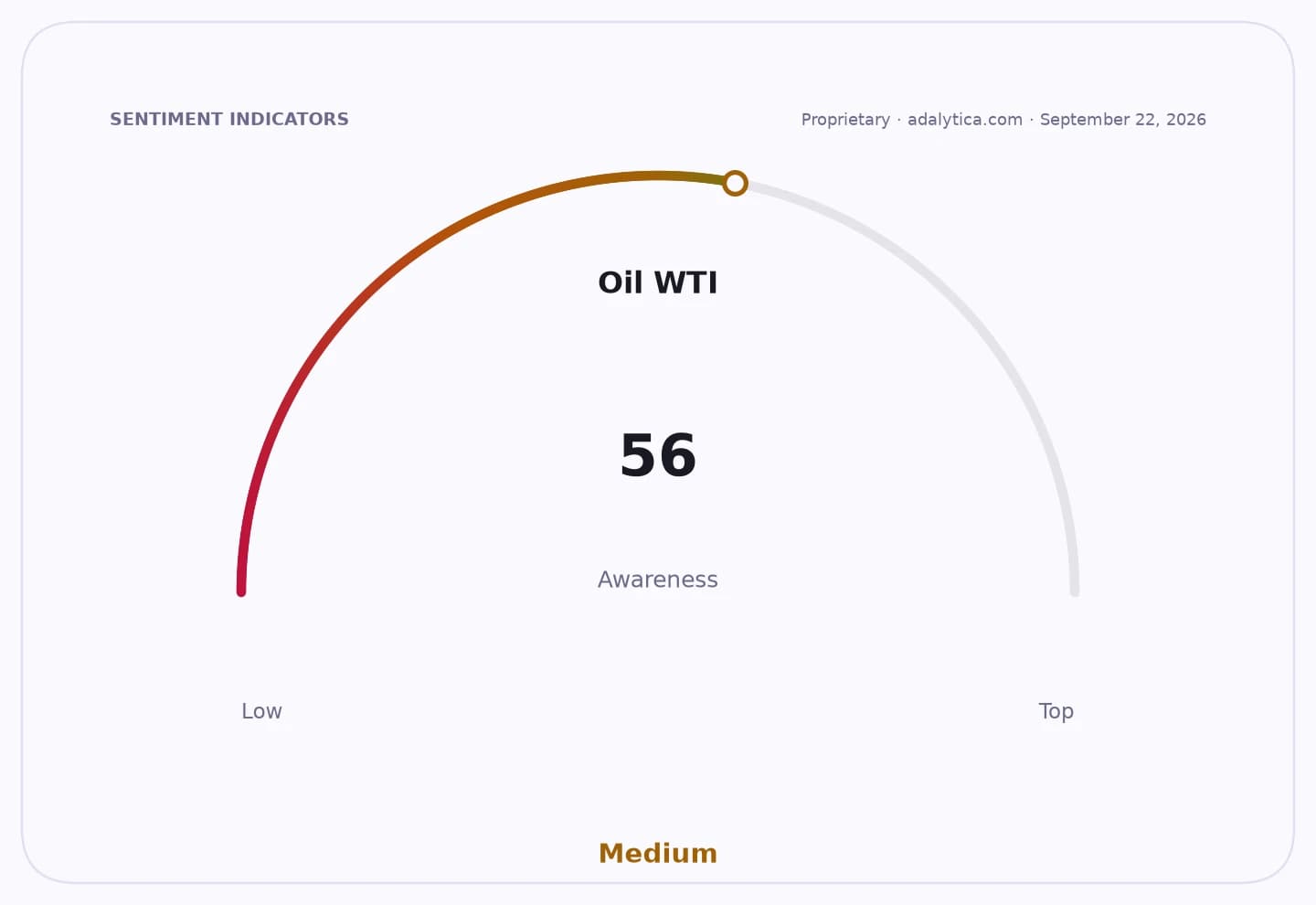
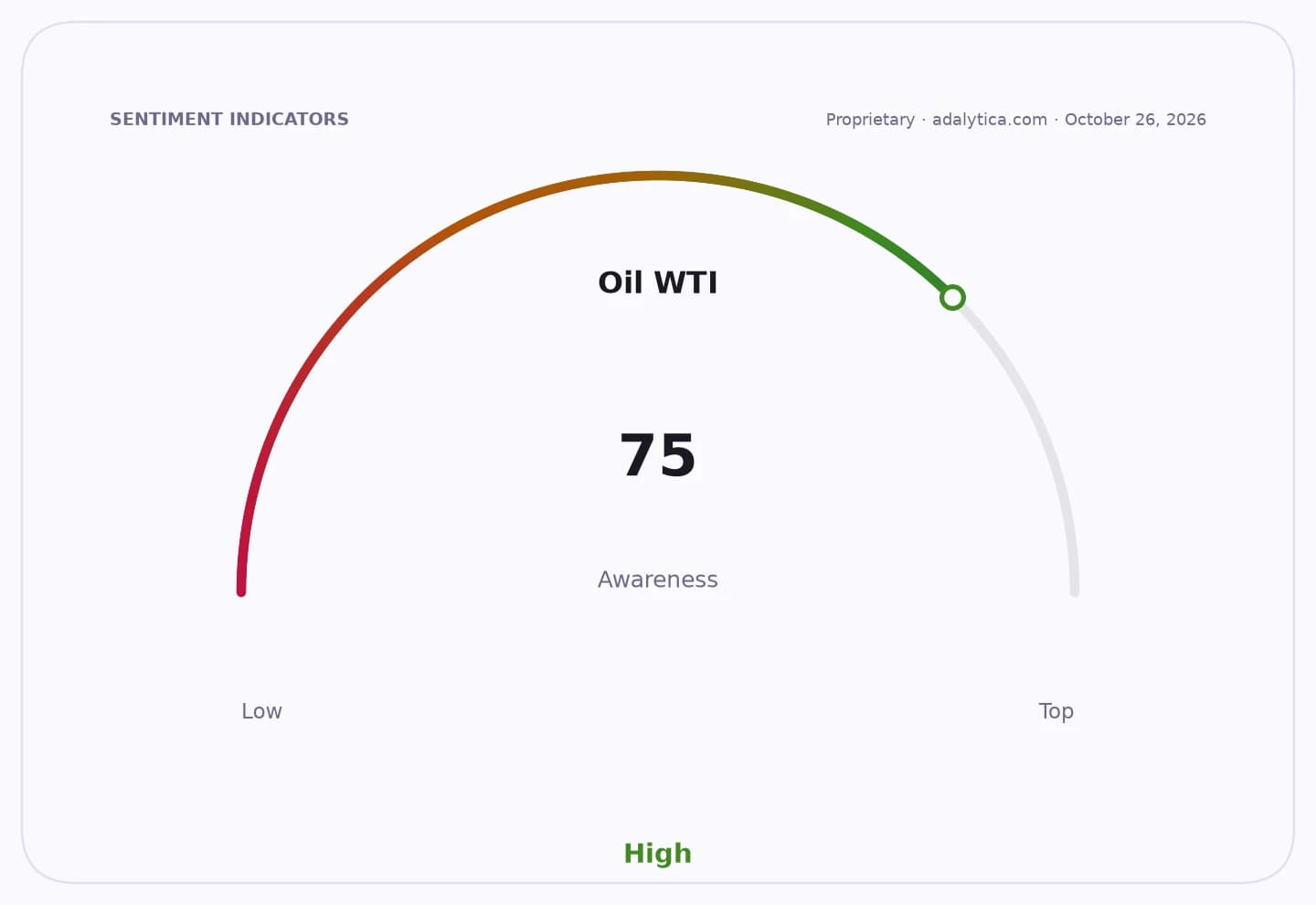
Sentiment IndicatorsⓘProprietary · adalytica.com · October 26, 2026
This is a snapshot — live sentiment, awareness and momentum for 130+ markets update continuously in the dashboard.Open AlphaPulse
That matters because Guyana’s oil boom is still early in its investment cycle. The economy has been one of the fastest-growing in the world on the back of offshore discoveries, and each new phase of development creates a second wave of spending: housing, roads, port services, camps, maintenance, catering and transport. The job fair at C3 Centre is evidence that the supply chain is widening and that companies are reaching beyond Guyana’s domestic labor pool to fill it.
For investors, that is the real story. Oil production growth in Guyana is not just about barrels; it is about the emergence of a long-duration infrastructure and services buildout that can benefit contractors, suppliers and regional employers. In an environment where oil prices remain elevated and global supply remains fragile, operators have room to keep investing, and that supports the economics of upstream projects as well as the picks-and-shovels names tied to them.
Northern Oil and Gas, the U.S.-listed producer shown with its own stock trading near technical highs, sits in a different market, but the broader message is the same: capital is still chasing the most productive barrels. Guyana’s offshore basin remains one of the world’s clearest examples of where that capital is going, and labor demand is now following the money.
The market may still underappreciate how durable this cycle can be. As production ramps and the service base deepens, Guyana can keep drawing workers, contractors and foreign investment for years, not months. The better trade is not to chase the headline oil price alone, but to look for the companies and funds that capture the infrastructure, logistics and services layered on top of the basin’s growth.
| Entity | Gains | Losses |
|---|---|---|
| Guyana employers | ▲More labor supply | ▼Higher hiring costs |
| Job seekers in Trinidad and Tobago | ▲Access to higher-paying oil jobs | ▼Local job competition |
| Oilfield contractors and service firms | ▲Bigger project pipeline | ▼Tight labor markets |
| Import-dependent economies | ▲Regional income gains | ▼More wage pressure |