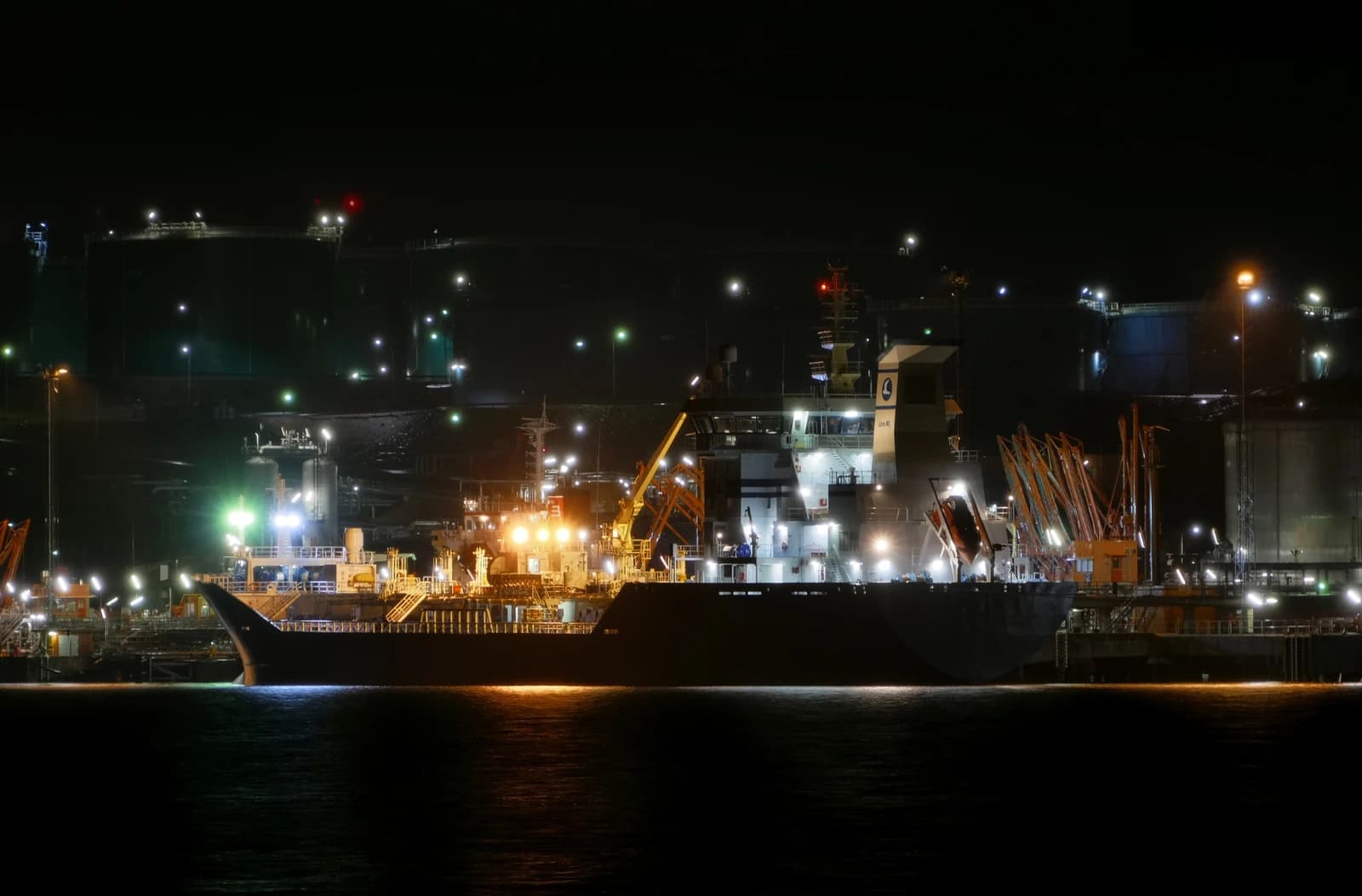
Saudi Aramco has ordered two upstream oil and gas support vessels from an Indonesian shipyard, a small contract that points to a much bigger story: national oil companies are still spending to secure offshore production and keep supply flowing even as maritime risk rises across key shipping routes.
Saudi Aramco Orders Two Offshore Support Vessels
For investors, the significance is not the size of the vessel order itself. It is what it says about where energy capital is still going. Offshore fields do not run without logistics, standby capacity and maintenance support, and that spending tends to favor the suppliers, shipyards and service contractors that sit closest to the infrastructure. In a market that often fixates on headline crude prices, the deeper trade is in the equipment, services and security layer that keeps barrels moving.
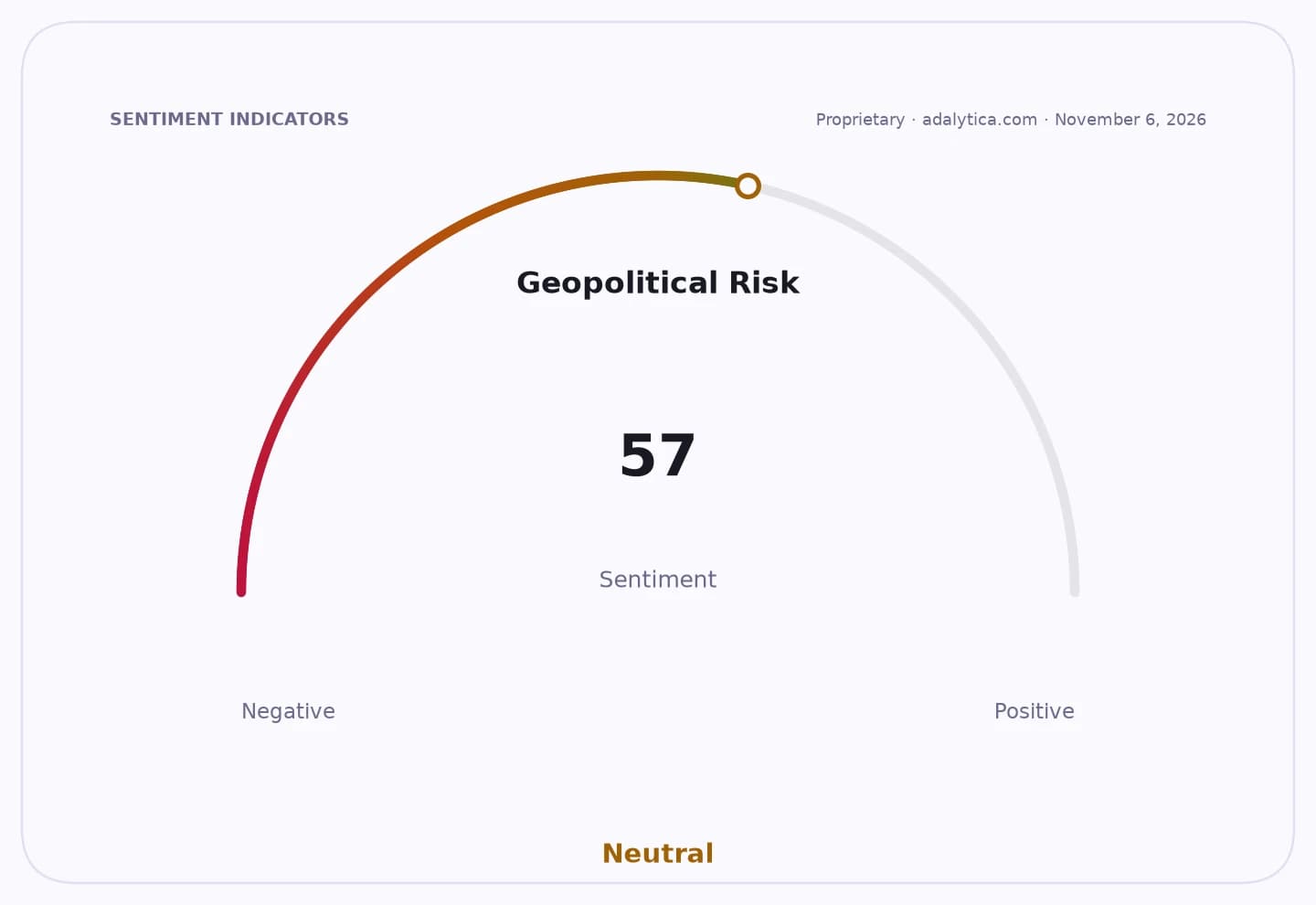
Sentiment Indicators
That matters now because the backdrop for seaborne energy has become less forgiving. Recent naval interceptions of stolen crude, attacks on commercial ships and broader warnings from maritime authorities have reinforced the need for more patrols, escorts and resilient offshore operations. The International Maritime Organisation has counted at least 130 attacks on commercial vessels and 25 seafarer deaths since the Middle East conflict began, underscoring the premium on secure logistics. Even with oil prices moderating from their recent highs, the industry’s need to harden supply chains is not going away.
Brent and WTI volatility has already shown how quickly geopolitics can feed into energy markets. WTI settled near $99.64 in the latest reading and the Adalytica USO snapshot still shows neutral sentiment but extreme fear in awareness, a combination that suggests traders remain sensitive to supply shocks even when the market is not in full panic. That is exactly the kind of environment where incremental offshore spending can quietly accumulate into a multi-year revenue stream for vessel builders, marine service names and defense-adjacent contractors.
The investment takeaway is straightforward: don’t just watch the oil majors. Watch the picks-and-shovels behind offshore energy resilience, especially yards and service providers tied to the Middle East and Southeast Asia. Saudi Aramco’s Indonesian vessel order is not a blockbuster headline, but it is another signal that the offshore support cycle is alive — and that security-driven capex is becoming a durable theme, not a one-off response.
| Entity | Gains | Losses |
|---|---|---|
| Saudi Aramco | ▲Offshore support capacity | ▼None materially |
| Indonesian shipyards | ▲New orders | ▼Capacity strain if demand rises |
| Offshore service providers | ▲Higher vessel demand | ▼Smaller contract margins |
| Shipping risk-sensitive operators | ▲Security spending tailwind | ▼Higher operating costs |